





How Much Can You Earn as a Bartender in the Pub Industry?

 Story by:
Bil Corcoran
Story by:
Bil Corcoran
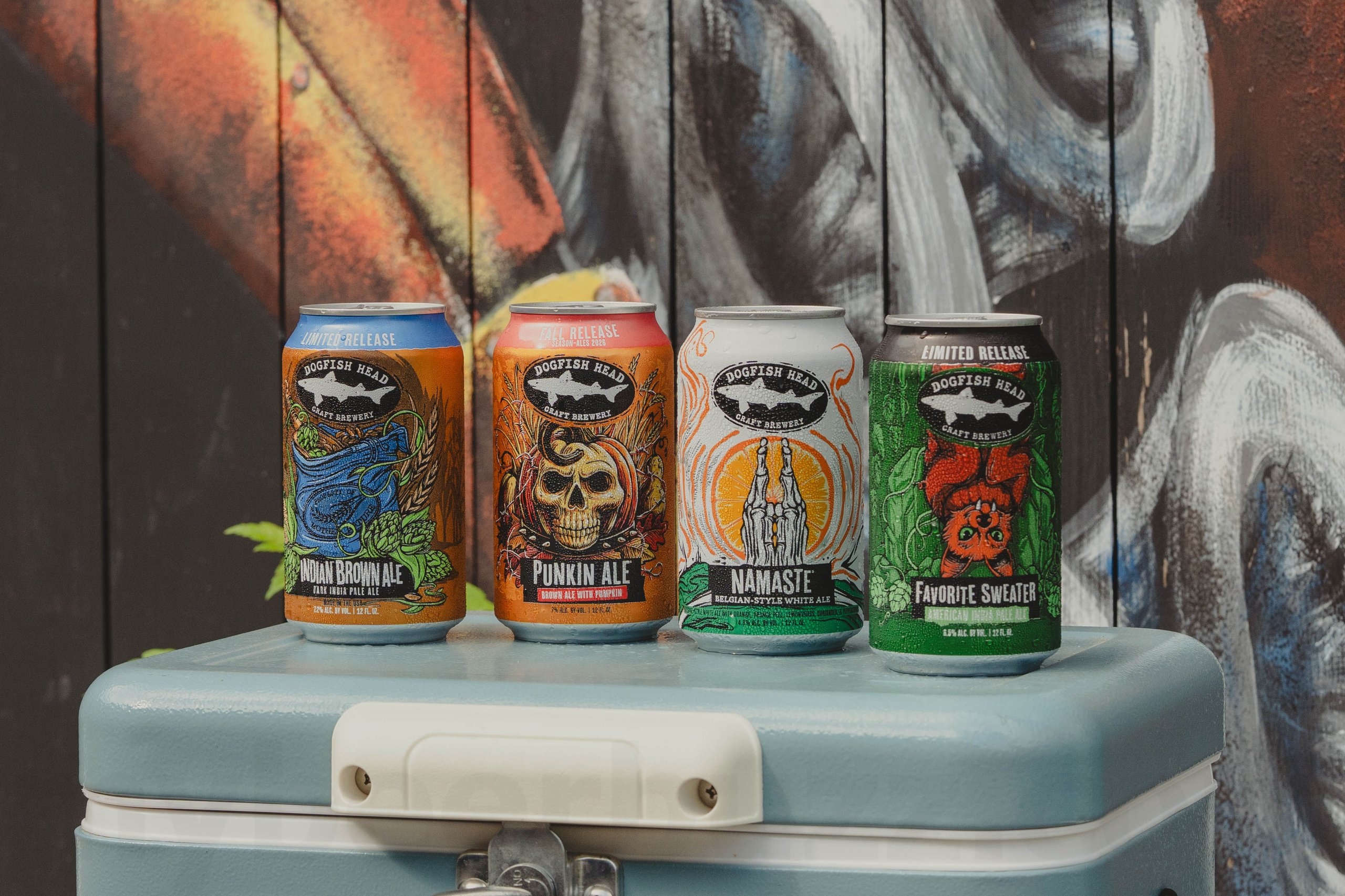
Bartending is a career that has always been thrilling to people who prefer working in fast-paced jobs, socializing, and having the flair of creativity. Although the bartending profession attracts a significant number of individuals because of its exciting environment and the possibility of interacting with other individuals, a question that always arises is How much can I really make in the pub industry? The question is not that easy; it is a matter of place, the kind of establishment, experience, and service quality. The awareness of trendy styles, domestic craft products, and seasonal sips in beer-based pubs may affect customer satisfaction and total profits as well.
In this article, we are going to be discussing the various facets of bartender earnings in pubs by breaking down the wages, tips, and factors that can influence your earnings.
Base Pay in the Pub Industry
The hourly wage is commonly meager for the bartenders compared to other occupations. Commonly, in most nations, notably the United States, bartenders can be paid even below the average minimum wage since they are supposed to receive the difference through tips. Conversely, in other countries such as the UK or Australia, bartenders often are paid at least the minimum hourly wage, and tips are treated as a bonus and not the main part of the money they earn.
The minimum average base pay in pubs is between $7 to 15 per hour for the bartender, based on the location. Some aspiring bartenders also choose to attend a bartender school to sharpen their skills before entering the industry, which can sometimes help them secure better-paying opportunities in busier establishments.
The Role of Tips
Tips are the actual earning potential of the bartenders. Their capacity to interact with the clients, maintain the speed of service, and provide a friendly environment directly affects the revenues. Good connections with familiar patrons and knowledge of the beers being served will go a long way in pubs and other beer-centric establishments; tips may sometimes quadruple the minimum wage.
As an example, a bartender may give hundreds of drinks in several hours in a crowded pub on a Friday or Saturday night. Tips are between 1 and 3 dollars per beverage; the money can roll in. A bartender in a popular pub in the city may come home with tips of up to 100 to 300 dollars on a hectic night. Tips are the actual earning potential of the bartenders. Their capacity to interact with the clients, maintain the speed of service, and provide a friendly environment directly affects the revenues. Good connections with familiar patrons and knowledge of the beers being served will go a long way in pubs and other beer-centric establishments; tips may sometimes quadruple the minimum wage, especially when pubs reopen.
Full-Time vs. Part-Time Earnings
The other consideration is bartending as a full-time or part-time job. A lot of individuals opt to do bartending as a part-time employment due to flexible hours and due to the fact that one can earn good money within a couple of nights working.
Even part-time bartenders who work two or three nights a week may be able to earn some supplemental income of several hundred dollars.
Full-time bartenders with 30-40 hours weekly working in a busy pub have the potential of earning 30,000 to 45,000 a year, depending on the location and the number of customers.
Where there is a high level of establishment or in a large metropolitan area, the income may exceed such figures, particularly when bartenders develop a base of customers.
Location Matters
One of the largest factors of a bartender’s income in pubs is the location. The bartender in a small town neighborhood pub will not get equal pay as one in a downtown nightlife mecca.
Urban centers: Higher wages and tips due to greater demand and higher drink prices.
Tourist areas: Seasonal spikes in income during peak travel times.
Rural pubs: Lower earnings, but often steadier employment with regular local patrons.
When you are thinking of bartending as a long-term career, location is very important to the highest level of earning ability.
Experience and Skill Level
As in most careers, bartending is a job that rewards experience. New bartenders can begin with lower wages and lower tips until they become confident and fast. Their earning potential increases over time, as they gain good skills in making drinks, efficiency, and customer service skills.
Well-trained bartenders who can multitask and have a friendly and interesting personality are usually favorites with regulars and get more tips. Some even ascend to the top of the ladder to the management positions where there are increased salaries.
Extra Perks and Benefits
Bartenders in pubs can also receive other perks in addition to their wages and tips, thus the total compensation boosts their satisfaction. These can include:
Free or reduced food and beverages in shifts.
Special event work opportunities with greater potential for tips.
Connection with the industry professionals.
Easy working hours that enable one to pursue other passions or studies.
In other pubs, they might provide health insurance or long-term retirement schemes to long-time workers, but this is not so frequently reached in smaller brew pubs. But what kind of amount of money do you make working as a bartender in the pub industry? It is much determined by where you work, the frequency of work, and how well you can connect to customers. Bartenders in pubs can earn an average of between $20,000 and 45,000 annually, but this is subject to higher in-demand regions, or upscale clubs.
Bartending is not just a paycheck to many people but a social profession that is diverse, exciting, and offers the opportunity to learn important interpersonal skills. Though it is not necessarily going to result in six-figure incomes, bartending in the pub and beer business can be a very rewarding combination of pay, lifestyle, and development. Bartenders sometimes have the power to influence the beer experience of customers, as if it is pouring local craft brews, recommending seasonal pints, or both. When you think of going behind the bar, set your objectives and venue well. Bartending puts you at the heart of the action, whether you decide to do it part-time to make extra dollars or to take it as a full-time career.



Comments 0
No Readers' Pick yet.