






A Bartender’s Take On An American Beer Legend And A Creamy Root Beer Float Twist
 Story by:
Bil Corcoran
Story by:
Bil Corcoran
There are beers to drink, and there are beers that live in a nation’s memory. Schlitz was one such beer. When the word spread that Schlitz was returning to shelves, many in the bar community felt a bit nostalgic. Not because it was the “whitest” beer in the cooler, but because it had history. It was a type of beer that the older regulars would turn their heads and complain, “That used to be all over the place.” I’ve always thought there should be one last send-off for certain drinks, as a bartender. So it’s time to bid Schlitz goodbye,d in a perfect fashion, behind its bar. A fluffy frothy Root Beer Float dessert with a bonus – real fresh whipped cream from a nitrous oxide tank. Simple homage to the venerable and an opportunity to experiment with some unexpected beer combinations!
Saying Goodbye To Schlitz Beer
A lot of younger drinkers probably know craft IPAs better than they know classic American lagers. But decades ago, Schlitz was massive. It was once a lights-out rival head-to-head with larger brewers such as Budweiser and Miller in the American beer market. Older beer lovers got a lot of hurt out of the recent closures; Schlitz was another type of drinking culture. Back then, beer wasn’t about hype releases or limited-edition cans. It was a simple neighborhood beer. Cheap, cold, reliable, and tied to local bars.
Behind the stick, I’ve heard countless stories from customers who grew up seeing Schlitz signs glowing in family taverns. Some remember their grandfather drinking it after factory shifts. Others remember old bowling leagues where Schlitz pitchers were practically part of the uniform. That emotional connection matters. Beer is never just liquid. Clings to locations, people, habits, and memories. One of the historic labels leaves, of course, even for a short time, and it forfeits a bit of Americana.
Read More: Last batch of historic beer being brewed after 177 years in business.
The Story Behind Schlitz Beer
Founded in the 1800s in Milwaukee, which was a major influence in the development of American brewing, The Joseph Schlitz Brewing Company has a long history. The slogan ‘The beer that made Milwaukee famous’ was more than true. At one time, Schlitz was ubiquitous in the 20th century. Consistency was the key to the brand’s success. Before the term “macro lager” was widely discussed among beer fans, it was a clean American lager, made for mass consumption. Workers drank it. Ballparks sold it. It was the mainstay of corner taverns. It was also a warning to those who would try to grow their breweries too much. During the 1970s, Schlitz is said to have modified some of its brewing methods to boost productivity and cut costs.
The brand garnered attention and criticism from beer drinkers, and with the changing of the times, found itself with more competition. That drop-out was a familiar story in the craft beer world. But the Schlitz name remained for the moment because of the power of nostalgia. Even those who grew past it recalled their taste in it, the time that it was popular, and the places where they first consumed it. Which is why the recent news about their shutdown is more of a beer being kicked to the curb. It’s the end of an old segment of beer culture. Now that we’ve traced the history of Schlitz, it’s time to put it behind the bar and relive that history through a beer to remember.
Making A Schlitz Root Beer Float
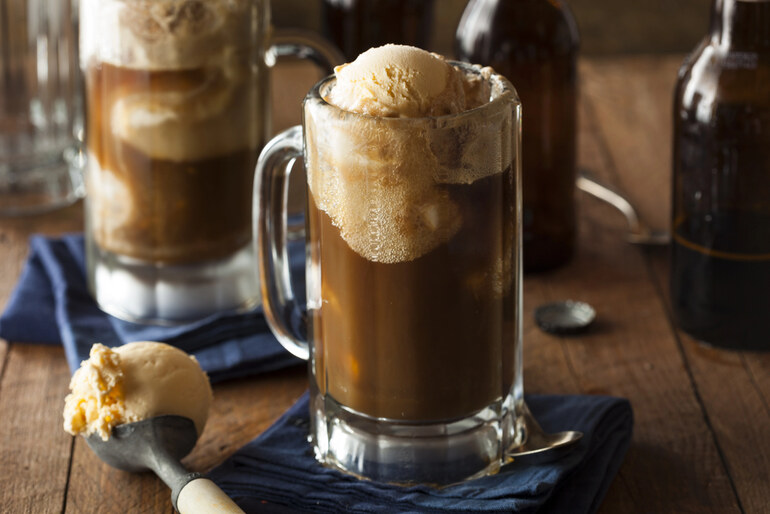
Root Beer Float typically combines vanilla ice cream with root beer soda, but behind the bar, we sometimes concoct Root Beer Float beers with lighter lagers and creamier dark lagers. It turns out, though, that Schlitz does outperform most other brews on the list. It’s crisp and light, and mildly hoppy and malty, which is all to the good. It doesn’t overpower the sweetness.
Ingredients
- 1 chilled bottle of Schlitz beer
- 2 scoops vanilla ice cream
- 2 oz root beer soda
- Fresh whipped cream
Optional:
- caramel drizzle
- chocolate shavings
- bourbon splash
How I Built It
First, I cool the glass very cold. A cold glass keeps the foam under control, and the less polluted layers ensure a better use from the first to the last glass. I pour the vanilla ice cream in first, and then slowly pour the root beer soda down around the side of the glass. Then, slowly pour in the Schlitz beer. When making a drink like this, be sure to go easy; it will make a lot of foam as soon as the milk spatters. At first, it would appear an unusual marriage; it is not only that, but it’s a good one.
The grain and ghostly tart acidity of the lager balance the sweetness of the ice cream. It’s neither as sugary as a traditional float, nor does it finish up so rough. It’s just the right combination that bartenders need when working with familiar flavors and beer. A lighter beer style, such as a refreshing Mexican lager, may like the clarity that the “lighter” style will offer without the “overpowering” effect on the dessert component. Bourbon will provide the weight in case you want a more full-bodied version, if you’re in the mood for a dessert cocktail.
Using A Nitrous Oxide Tank For Fresh Whipped Cream
The cream topping is more professional, lighter, and silkier than whipped topping, but in a rush, you can use canned whipped topping. Nitrous oxide tanks are used in bars and cafes, and are popular because they are able to deliver whipped cream quickly in a stable manner, rather than over-whipping it. Basic Cream Charger Method
Here’s the ratio I usually use:
- 1 cup heavy cream
- 1 tablespoon powdered sugar
- 1 teaspoon vanilla extract
Pack all the ingredients into the whipped cream dispenser and cover securely. Then mount the nitrous oxide dispenser onto a nitrous oxide cream charger and shake the dispenser a few times. After the whipped cream has been removed from the refrigerator, it is ready for use. It should be smooth and airless rather than stiff, like grocery-type topping. As for the beer floats, I prefer a softer whipped cream, so that it melts into the froth.
You can also experiment with:
- bourbon vanilla cream
- cinnamon cream
- salted caramel cream
- chocolate stout cream
- Those flavors pair especially well with old-school American lagers.
Important Tips And Mistakes To Avoid
- Don’t Pour the Beer Too Fast
- Beer plus ice cream creates aggressive foam immediately. Pour slowly along the side of the glass.
- If you rush it, half the drink ends up on the counter.
- Avoid Extremely Bitter Beers
- Heavy IPAs usually overpower dessert-style floats. Light lagers, stouts, porters, and cream ales work much better.
- That’s part of why Schlitz fits the recipe surprisingly well.
- Keep the Cream Cold
- Cream chargers work best with properly chilled heavy cream. Warm cream won’t whip correctly and produces an unstable texture.
- Cold dispenser, cold cream, cold glass — all of it matters.
- Don’t Over-Sweeten the Drink
- A good beer float still needs balance.
- The beer should remain noticeable underneath the sweetness. Otherwise, you lose the point of combining beer with dessert elements in the first place.
Remembering A Beer Classic
Old beer brands can still have personality, memories, and a story, and drinks such as this might never catch the wave again, but they are still worth a taste. Preserving a classic beer is not always the best way to honor it. Well, back to the present, experimentation, and fun with friends at the bar, and that’s it. That same essence is what makes beer and food pairing such a fun and interesting part of the craft beer world, discovering new and unique flavor pairings that highlight the qualities of the food and/or the beer. The creamy Schlitz Root Beer Float featuring new whipped cream is the perfect party product that America has been looking for. A reminder to everyone that beer history isn’t only in the bottle, it’s in the people and in the stories they have to tell.



Comments 0
No Readers' Pick yet.