




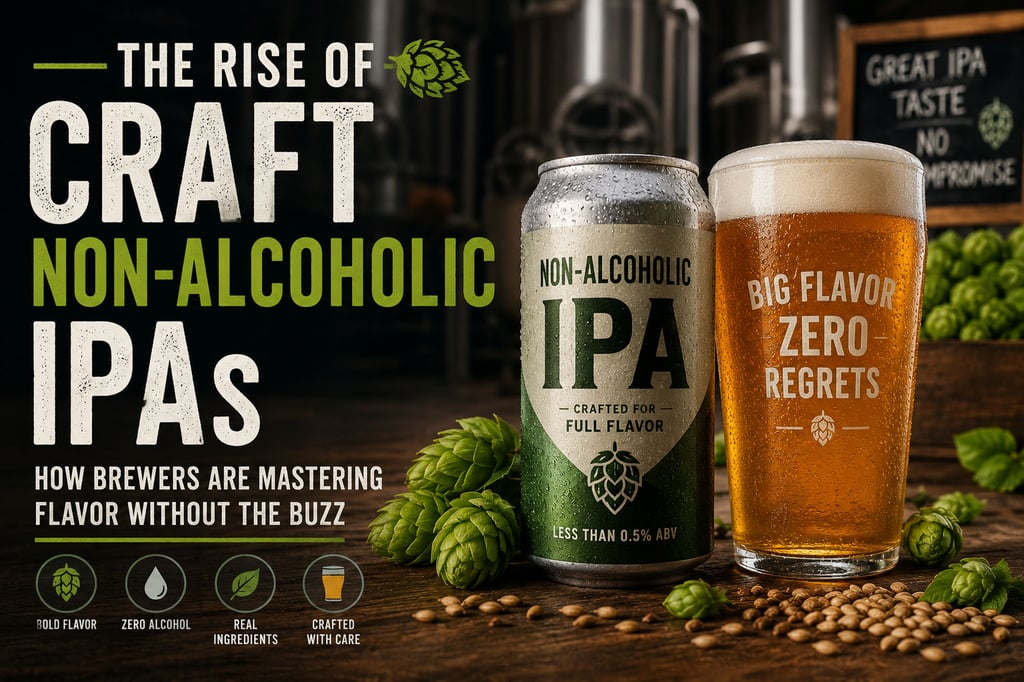
The Rise of Craft Non-Alcoholic IPAs: How Brewers Are Mastering Flavor Without the Buzz
 Story by:
Bil Corcoran
Story by:
Bil Corcoran
Table of Contents
- Introduction
- Quick Facts: The N/A Craft Revolution
- The Cultural Shift: Mindful Drinking in the Craft Era
- The Brewing Science: Mastering Flavor Without the Buzz
- Style Breakdown: West Coast vs. Hazy N/A
- The Sensory Experience: Mouthfeel and Aroma
- The Future of the Taproom
- Conclusion
- FAQ
Introduction
For decades, the craft beer movement was defined by “bigger is better.” We chased higher ABVs, more intense hop profiles, and imperial stouts that demanded a couch-nap immediately following the pour. However, the pendulum of consumer preference is swinging back, driven by a desire for moderation, health-consciousness, and the ability to enjoy the social ritual of a craft beer without the intoxicating effects. Enter the era of the craft non-alcoholic (N/A) IPA. This isn’t your grandfather’s watery, metallic-tasting N/A lager; it is a sophisticated, hop-forward product that is rapidly becoming a cornerstone of the modern brewery portfolio.
Quick Facts: The N/A Craft Revolution
| Feature | Description |
| Primary Category | Non-Alcoholic Craft Beer |
| Key Style | Non-Alcoholic IPA |
| Common ABV | < 0.5% (Non-Alcoholic) |
| Primary Techniques | Vacuum Distillation, Arrested Fermentation |
| Market Trend | Rapidly growing, high growth in premium craft segment |
| Ideal Serving | Cold, glassware appropriate to the base style |
The Cultural Shift: Mindful Drinking in the Craft Era
The rise of craft N/A beer is not merely a fad; it is a reflection of a broader “sober-curious” lifestyle. As craft beer enthusiasts age, the demand for options that allow for extended social enjoyment without the “next-day” repercussions has grown. Brewers have taken notice, realizing that a taproom that alienates a portion of its customer base because they aren’t drinking alcohol is missing out on revenue and community engagement.
The Brewing Science: Mastering Flavor Without the Buzz
The challenge for brewers is simple to state but monumental to execute: how do you remove the alcohol without stripping away the volatile hop compounds, esters, and mouthfeel that make an IPA an IPA?
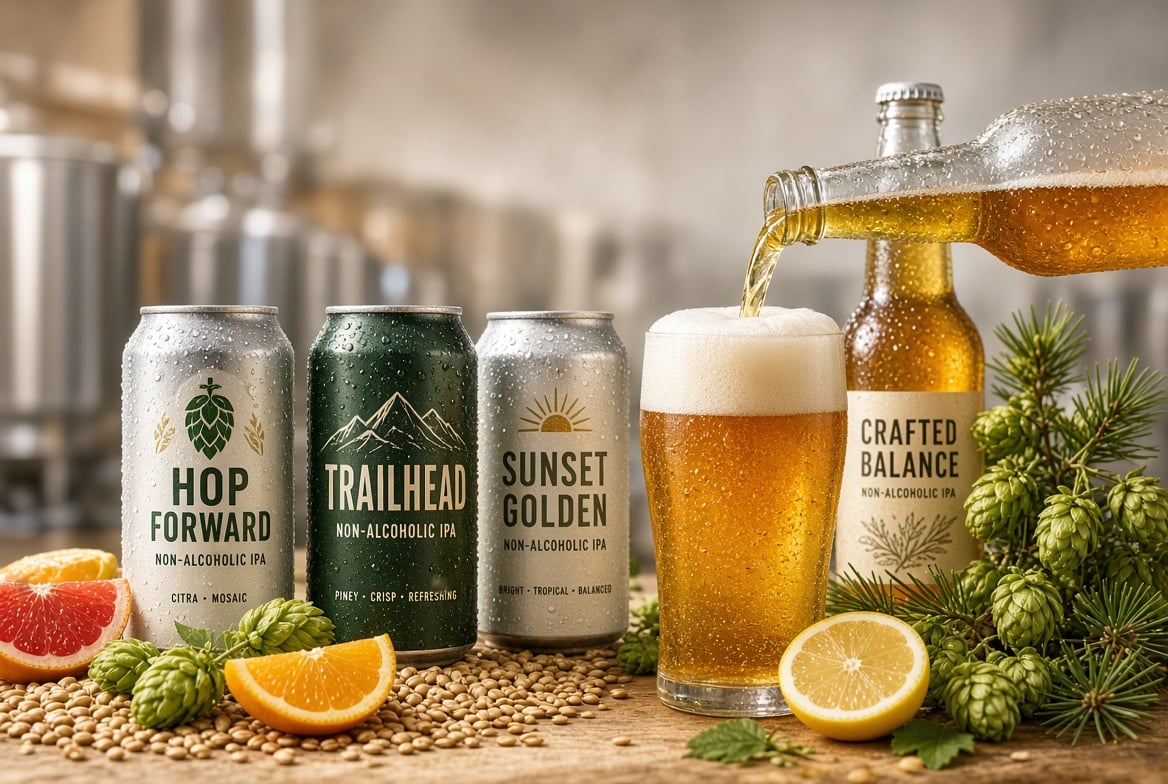
Modern techniques like vacuum distillation allow brewers to remove alcohol at much lower temperatures, preserving the delicate aromatics of Citra, Mosaic, and Simcoe hops. Alternatively, arrested fermentation techniques stop the yeast before significant alcohol is produced, while still allowing the brewer to pull flavor from the malt and grain bill.
Style Breakdown: West Coast vs. Hazy N/A
We are seeing two distinct schools of thought in N/A IPAs:
- The West Coast N/A: Focusing on pine, resin, and a clean, bitter finish. These rely on precise water chemistry to ensure the bitterness doesn’t feel thin or harsh.
- The Hazy/Juicy N/A: Focusing on tropical notes—mango, pineapple, and stone fruit. These are arguably more popular in the N/A space because the natural “haze” and mouthfeel of these styles hide the lack of alcohol better than a crystal-clear West Coast IPA.
The Sensory Experience: Mouthfeel and Aroma
The secret to a great N/A IPA often comes down to body. Alcohol contributes significantly to the “viscosity” or body of a beer. To replace this, brewers are experimenting with non-fermentable sugars, oats, and specialized malt profiles to ensure that the final product doesn’t feel like “hoppy water.”
“As we continue to track the evolution of the craft beverage landscape here on MyBeerBuzz, it is clear that the integration of non-alcoholic options is becoming as critical as the core IPA lineup. Whether you are catching up on the latest brewery acquisitions or analyzing the brewing trends that define our local market, the N/A movement bridges the gap between traditional craft quality and modern consumer health priorities. Keeping an eye on these developments is essential for any dedicated craft beer follower.”
The Future of the Taproom
Expect to see more breweries treating their N/A offerings with the same marketing and development effort as their seasonal limited releases. The taproom of the future will be a balanced space where a world-class hazy double IPA shares space with an equally complex and well-crafted N/A alternative.
Conclusion
The rise of craft non-alcoholic IPAs is a victory for the industry. By mastering the science of flavor without the alcohol, brewers are inviting a wider audience to the table. For the consumer, it means better choices and a deeper appreciation for the art of brewing, regardless of the ABV.
Frequently Asked Questions
Q: Does non-alcoholic craft beer contain any alcohol?
A: In the US, beer labeled “non-alcoholic” must contain less than 0.5% ABV by volume. It is effectively trace amounts, similar to what you might find in orange juice or kombucha.
Q: Is it harder to brew an N/A IPA?
A: Yes, it is significantly more complex to maintain the body, aroma, and flavor profile without the presence of alcohol.
Q: Are these beers healthier?
A: They are typically lower in calories and carbohydrates, aligning well with health-conscious lifestyles.
zzubreebym



Comments 0
No Readers' Pick yet.