





What Are Domestic Beers? Popular American Brands Explained
 Story by:
Bil Corcoran
In the United States, domestic beers are those brewed in the country rather than imported from abroad. On bar menus, however, “domestic” usually refers to familiar American lagers like Budweiser, Bud Light, Miller Lite, and Coors Light, rather than every beer brewed on American soil.
That distinction matters because a locally produced IPA is technically domestic, too, even if it appears under the craft beer section. Let’s take a closer look at what domestic beer actually means, the brands you’re most likely to encounter, and how they compare to imports and craft offerings.
Domestic Beers at a Glance
|
Beer |
Brand/Company |
Style |
ABV |
|---|---|---|---|
|
Budweiser |
Anheuser-Busch |
American-style lager |
5.0% |
|
Bud Light |
Anheuser-Busch |
Light lager |
4.2% |
|
Miller Lite |
Molson Coors |
American-style light lager |
4.2% |
|
Coors Light |
Molson Coors |
Light lager |
4.2% |
|
Michelob Ultra |
Anheuser-Busch |
Light lager |
4.2% |
|
Miller High Life |
Molson Coors |
American-style lager |
4.6% |
|
Pabst Blue Ribbon |
Pabst Brewing Company |
Lager |
4.7% |
|
Yuengling Traditional Lager |
D.G. Yuengling & Son |
Amber lager |
4.5% |
|
Busch Light |
Anheuser-Busch |
Light lager |
4.1% |
The beers listed here range from 4.1% to 5.0% ABV, although domestic beers aren’t limited to that range. American-brewed craft beers, for example, can be considerably stronger.
What Counts as a Domestic Beer?
Domestic isn’t a beer style in the same way that IPAs, pilsners, stouts or amber lagers are. It’s a designation based primarily on where the beer is brewed.
The confusion comes from how the term is used commercially. Most beers labeled “domestic” on American bar menus are pale lagers or light lagers, which tend to be mild, easy-drinking, and relatively inexpensive. Still, an American-brewed stout or IPA can technically be domestic, even if it’s sold under another category.
What Does Domestic Beer Mean at a Bar?
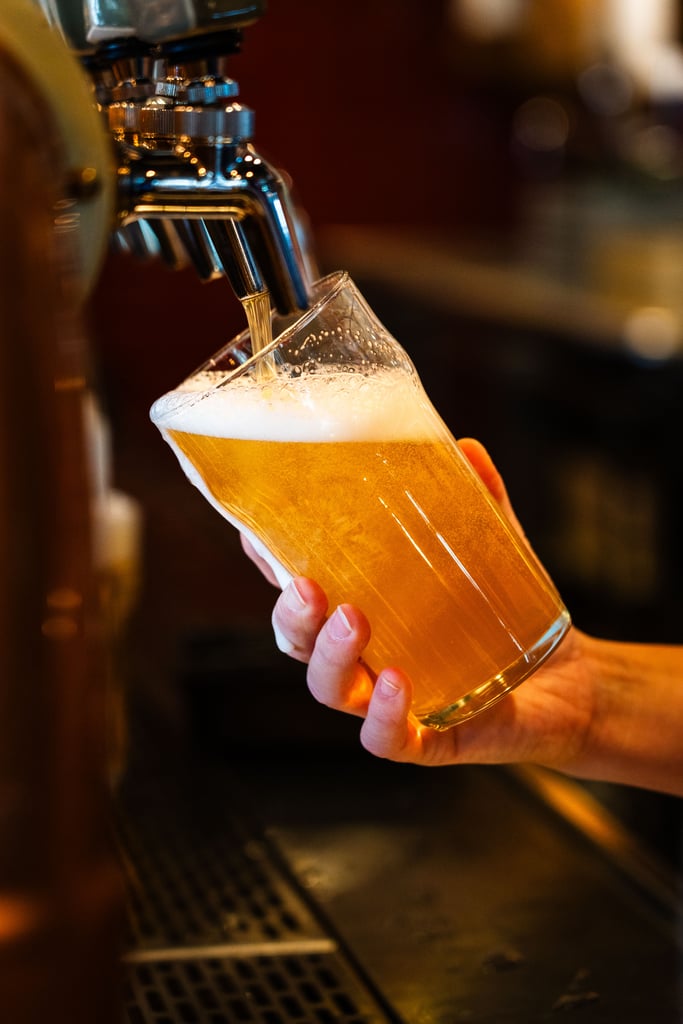
At a bar, “domestic” is often a pricing category as much as it is a description of where beer is brewed. The regular lineup of American lagers will typically be cheaper than imports or craft offerings, and domestic beers are frequently included in happy-hour specials.
That doesn’t mean every American-brewed beer qualifies for the cheaper price. Each bar decides which brands belong in its domestic category.
Domestic bottles and domestic drafts refer to those same beers served in different ways. Bottles are packaged at the brewery, while draft beer comes from a keg and is poured from the tap. Neither designation changes where the beer was brewed.
Popular Domestic Beers to Know
From century-old American lagers to modern light-beer giants, these nine domestic beers have each carved out a distinct place in the American beer market.
Budweiser
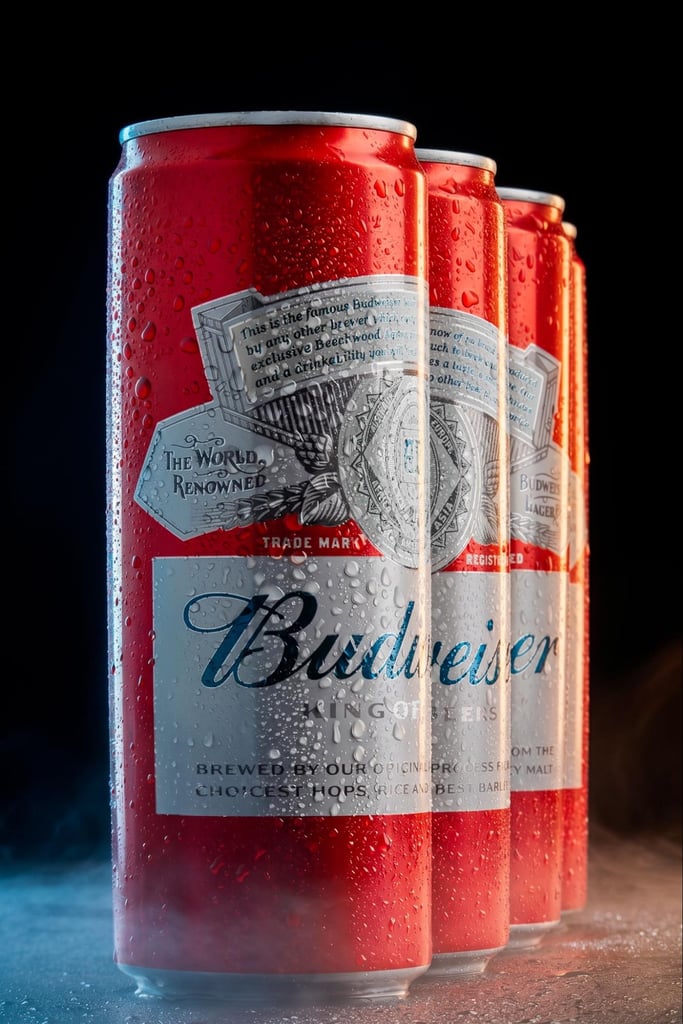
First introduced in 1876, Budweiser helped establish the mass-market American lager as a national staple and remains one of the country’s most recognizable beers 150 years later.
It uses barley malt and rice, along with hops, yeast, and water. One of the unusual parts of the production process is beechwood aging, which Anheuser-Busch has used for Budweiser for generations.
Taste-wise, there’s no need to overcomplicate it. It is a clean lager with some grain and malt character and not a huge amount of bitterness.
Style: American-style lager
ABV: 5.0%
Bud Light
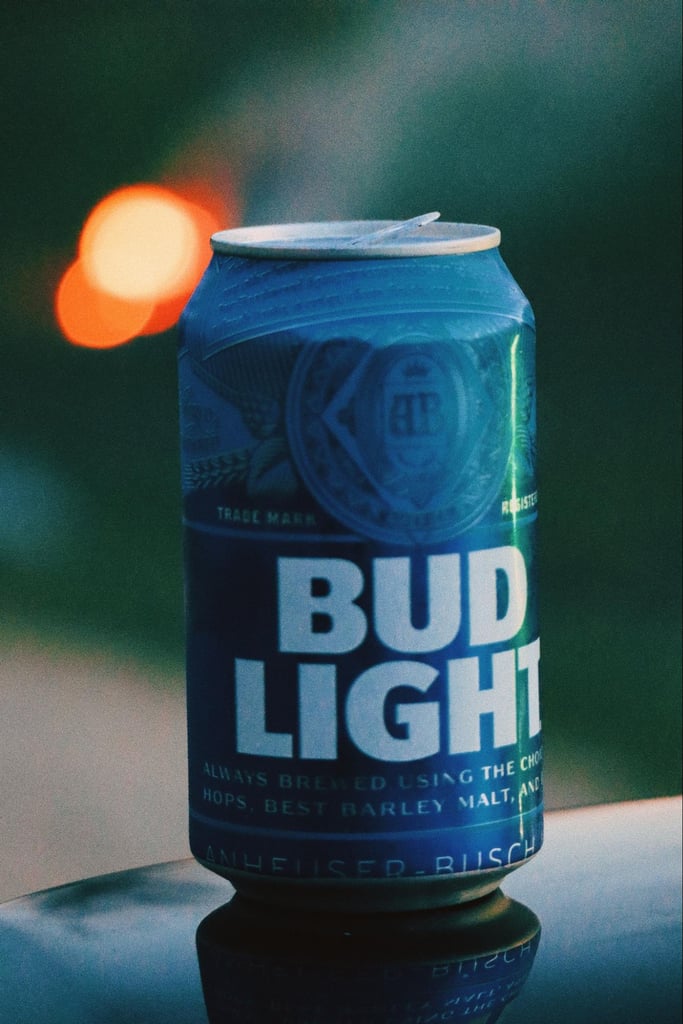
Introduced in 1982, Bud Light has become one of the defining brands of the American light-beer market. It has a lighter body and milder flavor than Budweiser, with 110 calories per 12-ounce serving compared to Budweiser’s 145.
Style: Light lager
ABV: 4.2%
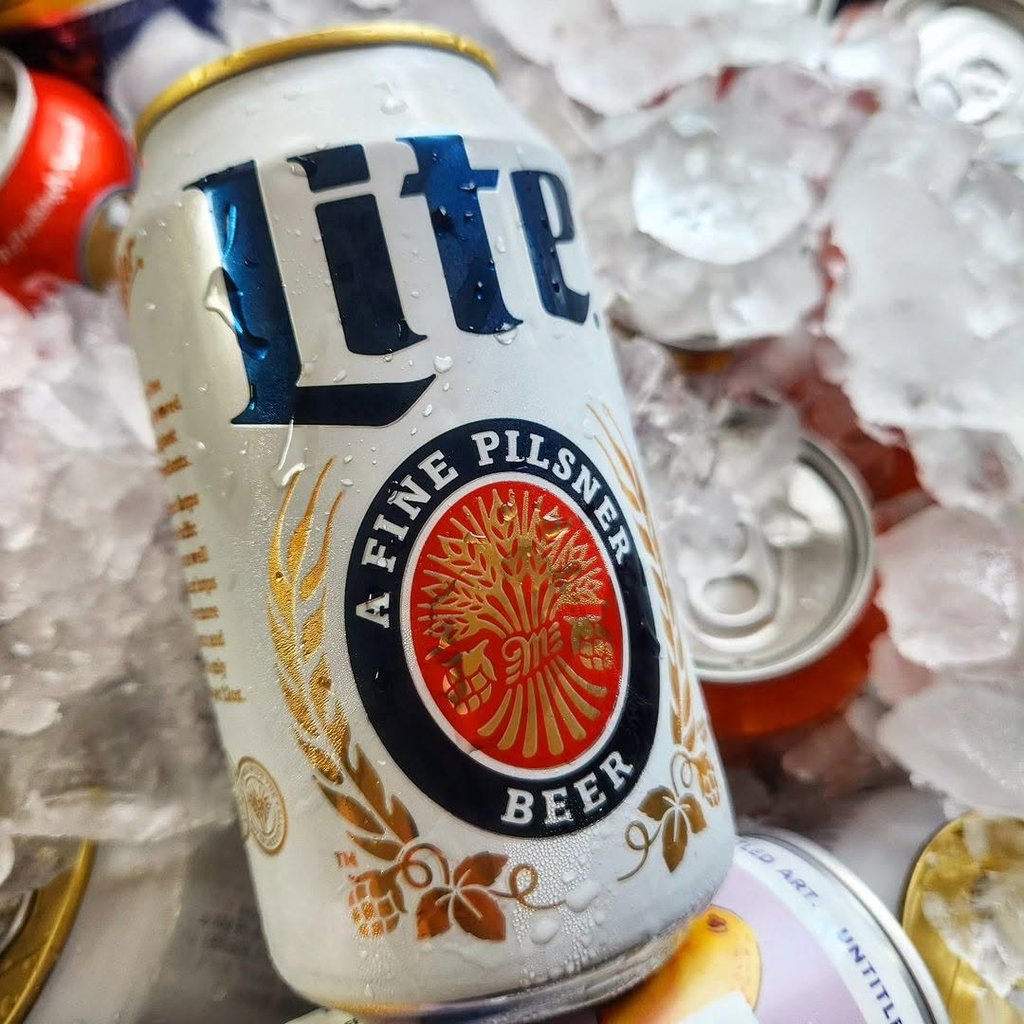
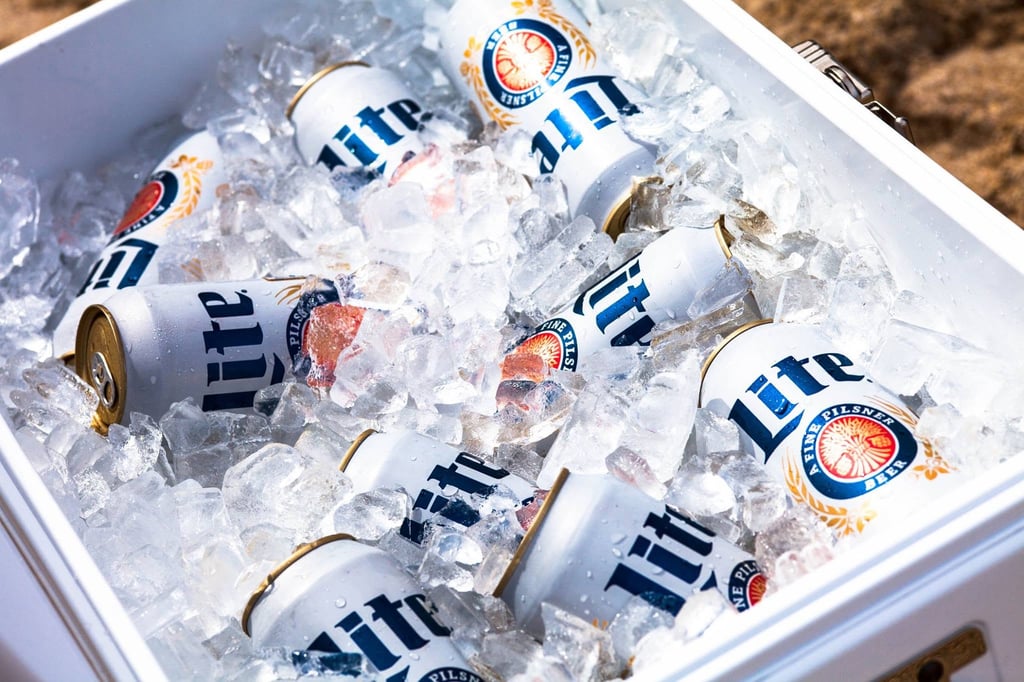
Miller Lite
Introduced nationally in 1975, Miller Lite helped bring light beer into the American mainstream. The 4.2%-ABV lager contains 96 calories per 12-ounce serving and played a major role in establishing a category that would eventually become an enormous part of the U.S. beer business.
Style: American-style light lager
ABV: 4.2%
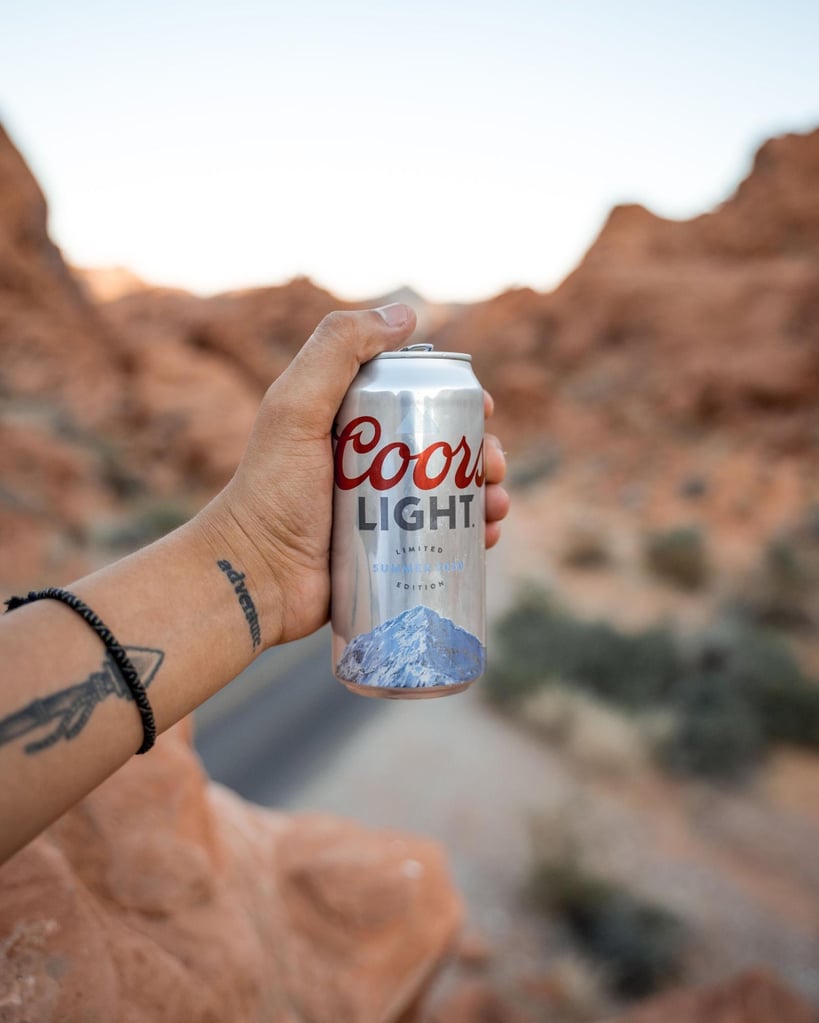
Coors Light
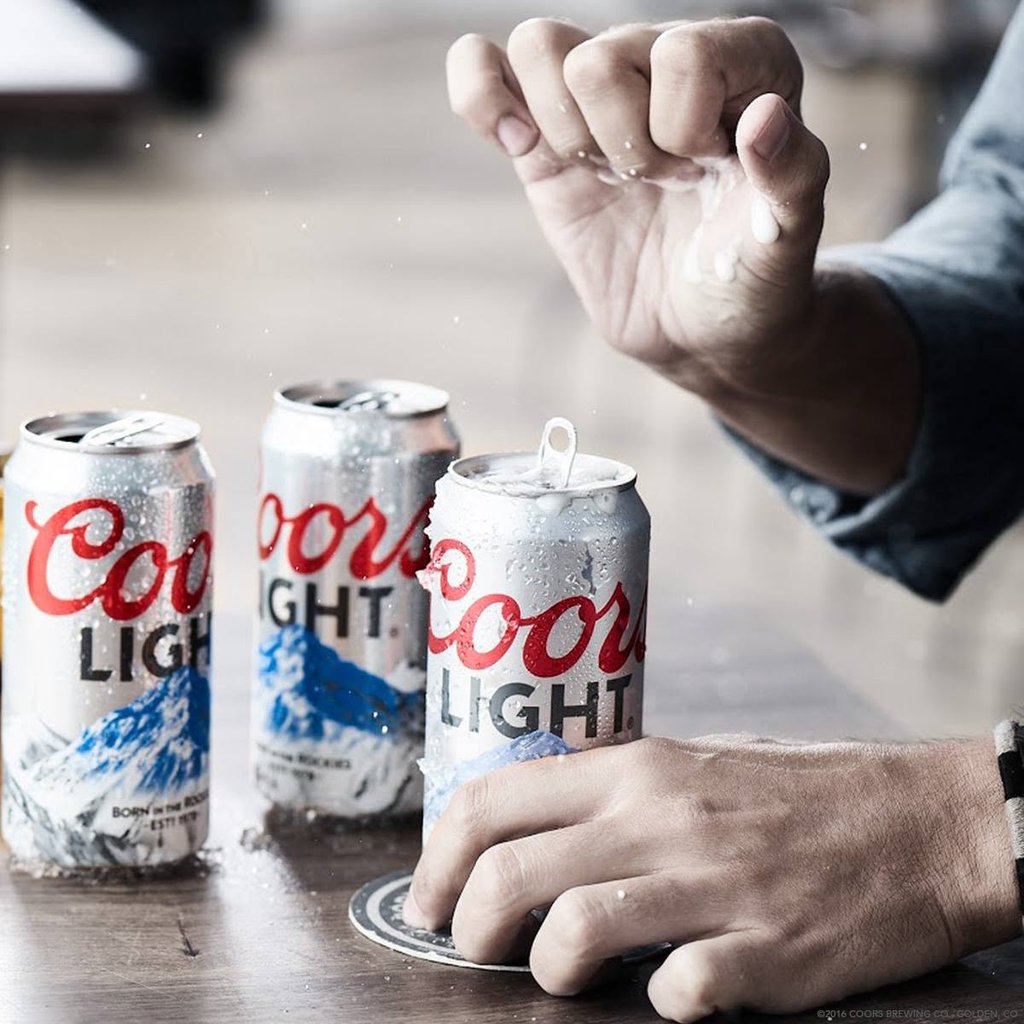
Coors Light traces its roots to Golden, Colorado, and remains one of America’s most familiar light lagers. The 4.2%-ABV beer is now brewed at several locations across the United States.
Its light body, mild malt character, and restrained hop bitterness make it another quintessential American light lager. Alongside Bud Light and Miller Lite, Coors Light helped turn these easy-drinking beers into fixtures of the American market.
Style: Light lager
ABV: 4.2%
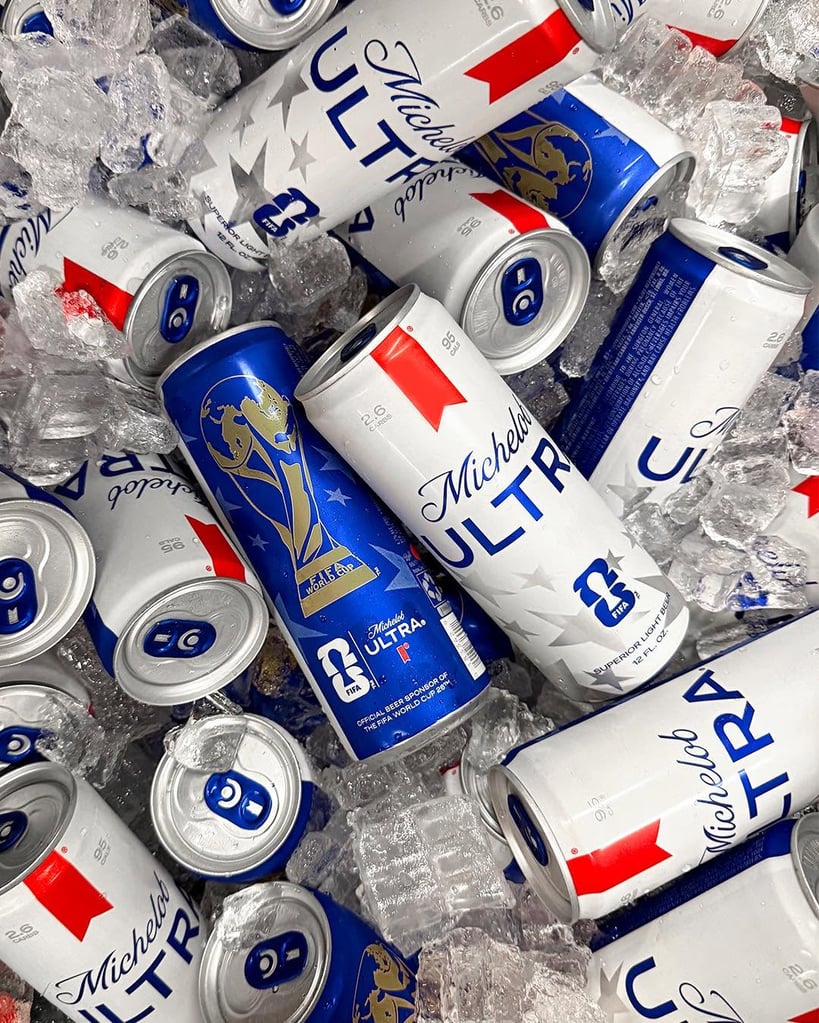
Michelob Ultra
Introduced in 2002, Michelob Ultra arrived long after light beer had become a fixture of the American market. Rather than relying on brewing heritage, it built its identity around active lifestyles, fitness, and its low-calorie, low-carb profile.
The beer contains just 95 calories and 2.6 grams of carbohydrates per 12-ounce serving, according to Anheuser-Busch.
Style: Light lager
ABV: 4.2%
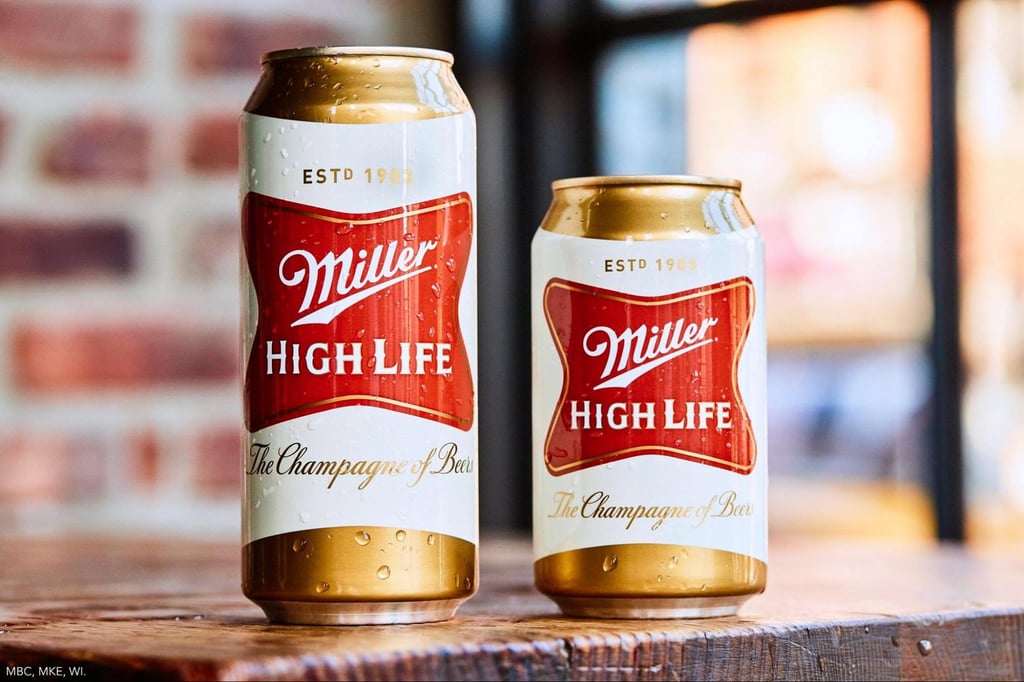
First introduced in 1903 as Miller Brewing Company’s flagship beer, Miller High Life remains a classic American lager with a 4.6% ABV.
The Champagne of Beers name has stuck with it for a very long time, helped by the bottle and the beer’s lively carbonation.
Style: American-style lager
ABV: 4.6%
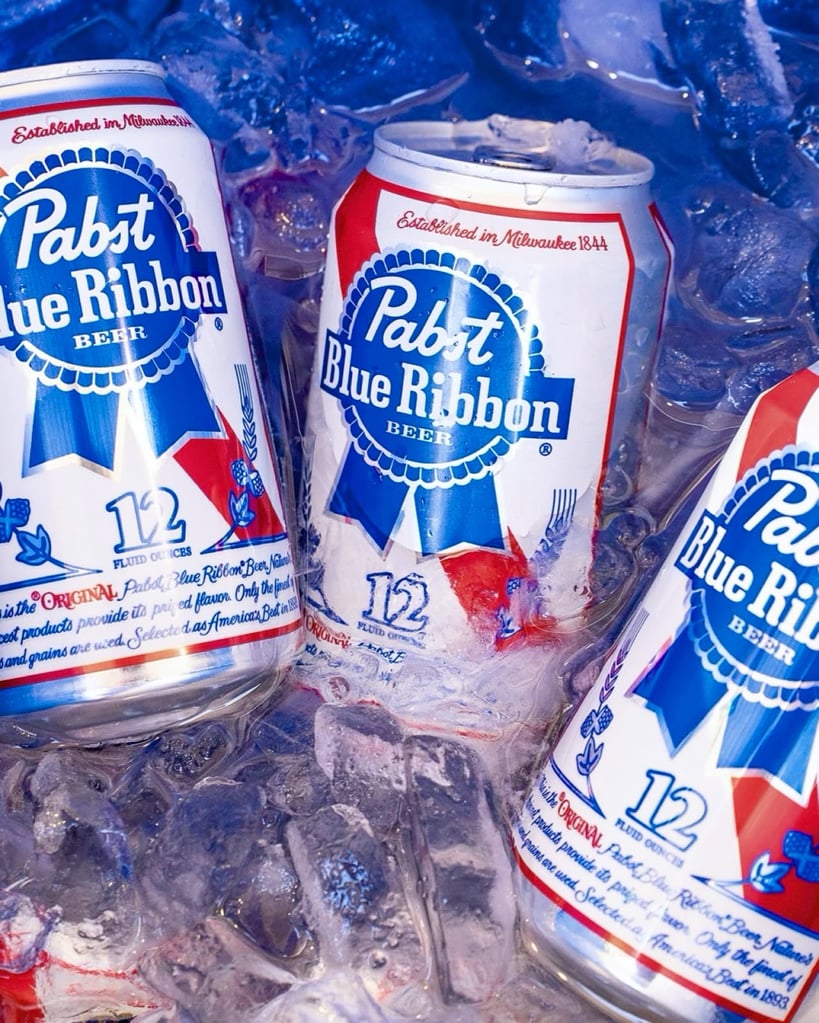
Pabst Blue Ribbon
Pabst Blue Ribbon has been an American beer fixture for generations, and its classic lager still sits at 4.7% ABV. Beyond the beer itself, PBR has developed an unusual cultural identity, shifting between an affordable everyday lager, an old-school American favorite, and something of a counterculture staple.
A weirdly durable beer, basically.
Style: Lager
ABV: 4.7%
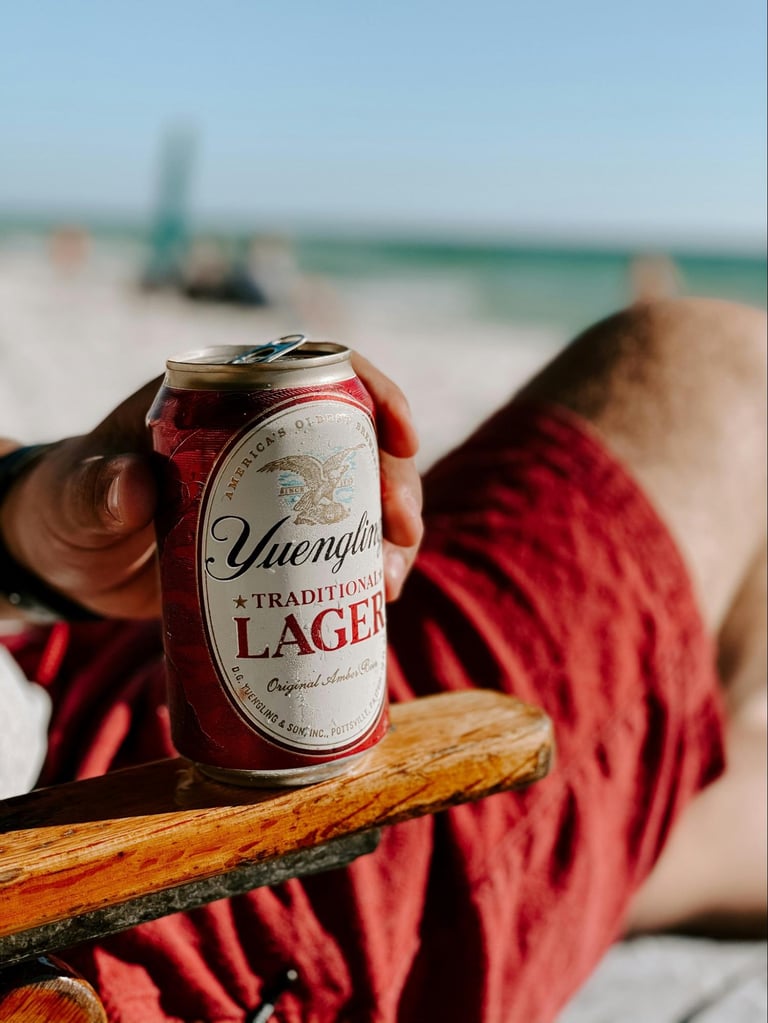
Yuengling Traditional Lager
Yuengling Traditional Lager looks different right away. It is amber rather than pale and has noticeably more caramel malt character.
Yuengling says the recipe was revived in 1987. The beer uses American Cascade and Cluster hops and sits at 4.5% ABV. The brewery’s history goes back to 1829.
Style: Amber lager
ABV: 4.5%
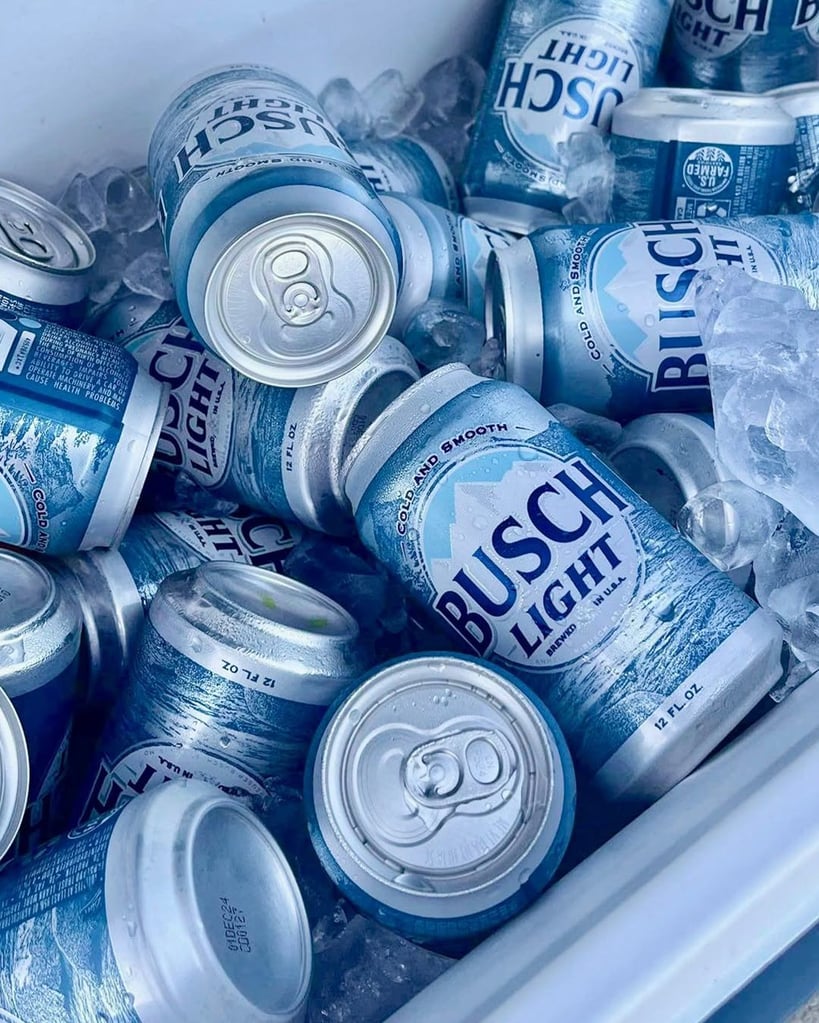
Busch Light
Busch Light is a 4.1%-ABV light lager with just 95 calories per 12-ounce serving. Its flavor is mild and straightforward, but the brand has carved out a distinct place in the American beer market through its value-focused positioning and longstanding connection to outdoor culture.
That gives Busch Light a notably different identity from Michelob Ultra, even though both belong to Anheuser-Busch’s portfolio.
Style: Light lager
ABV: 4.1%
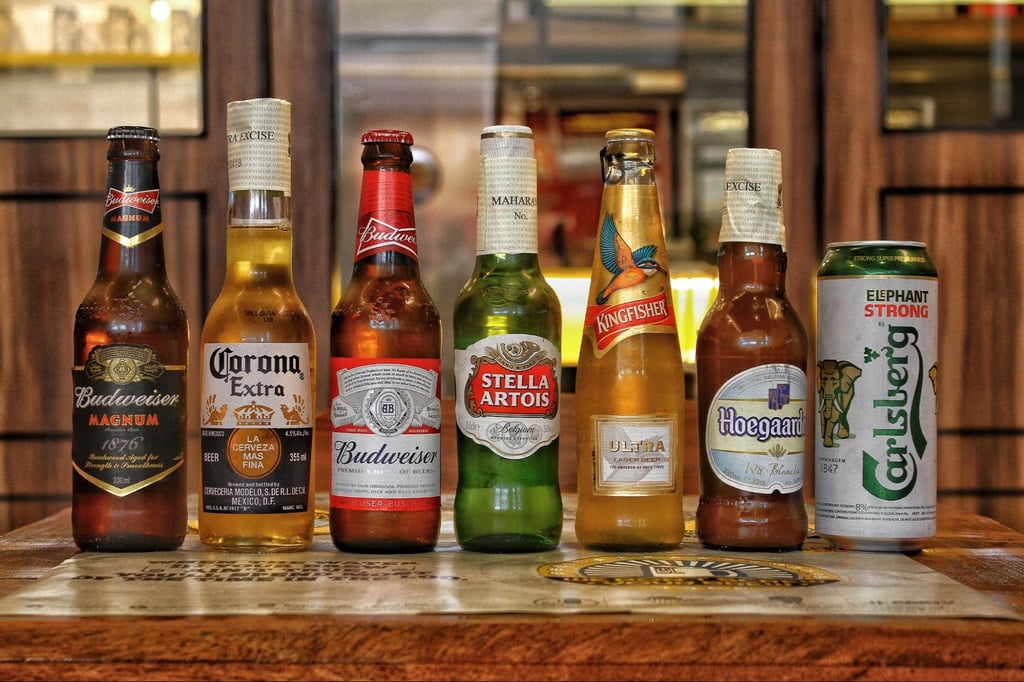
Image credit: Pexels/Rohan Jahagirdar
Domestic Beer vs. Imported Beer
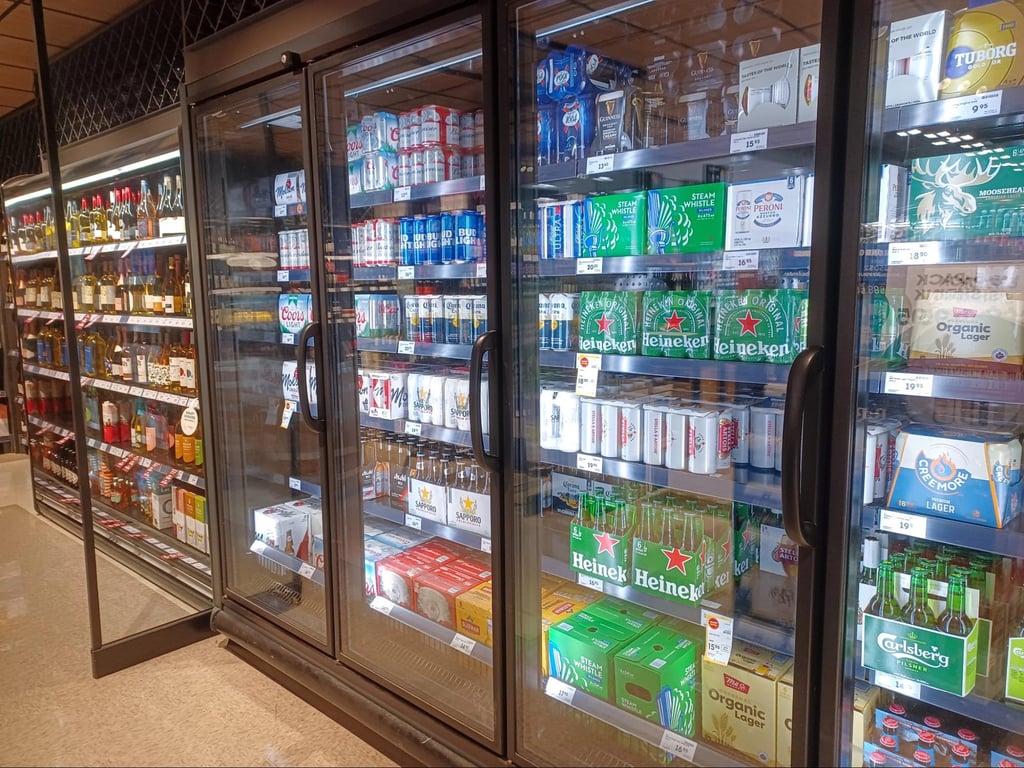
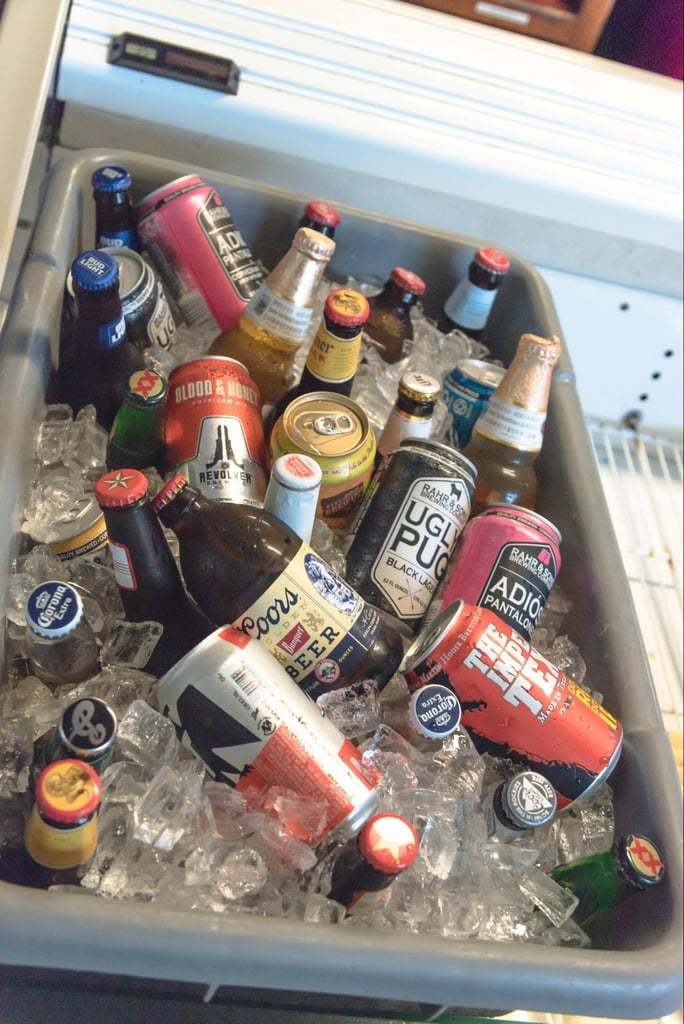
Imported beer is brewed outside the United States and brought into the country for sale. Like domestic beers, imports come in plenty of different styles, although many of the most familiar examples on American shelves are easy-drinking lagers. Imported beers are often priced higher at bars, but that reflects several factors, including brand positioning, distribution costs, and individual pricing decisions.
Corona and Modelo are straightforward examples. Both are Mexican beer brands, and the versions sold in the United States are brewed in Mexico and imported by Constellation Brands. Their enormous popularity among American drinkers doesn’t make them domestic beers.
Heineken is another familiar import. The Dutch brand generally brews its U.S.-market beer in Amsterdam, although certain 24-ounce Heineken Original cans can also come from Mexico. Either way, the beer is imported into the United States.
Then there’s Stella Artois, which complicates matters. The brand originated in Belgium, but Anheuser-Busch began shifting production for the American market to U.S. breweries in 2021. Stella’s current U.S. website explicitly states that its beer is brewed in America, even though its Belgian heritage means it’s still frequently treated as an import or premium international brand. It’s a particularly good example of how a beer’s image doesn’t necessarily reflect where it’s made.
Domestic Beer vs. Craft Beer
This gets confused a lot. Domestic and craft aren’t opposites. A craft beer made in the U.S. can also be domestic.
The Brewers Association defines an American craft brewer as small and independent. That means producing no more than six million barrels annually, with less than 25% of the brewery owned or controlled by a beverage alcohol company that isn’t itself a craft brewer.
That separation mostly happens at the consumer level. Bars find it useful to have one part of a menu for Bud Light and Coors Light and another part for the local IPA.
Goose Island is a good example of how those distinctions can get murky. Anheuser-Busch acquired the Chicago brewery in 2011, meaning it no longer qualifies as independent under the Brewers Association’s definition. Nevertheless, Goose Island remains closely associated with craft beer and is still marketed within that segment, even by Anheuser-Busch itself.
How Can You Tell If a Beer Is Domestic?
The easiest way to determine whether a beer is domestic is to check where it’s actually brewed rather than where the brand originated or where its parent company is headquartered. That information can often be found on the packaging or the brewer’s website.
At a bar, however, there’s another consideration: the establishment’s own definition. A beer made in America might technically be domestic but still appear under craft, premium, or another category. If you’re trying to figure out which beers qualify for a domestic special, checking the menu or asking the bartender is usually your best bet.
The Bottom Line on Domestic Beers
Domestic beer isn’t a specific style or type of beer. In the United States, it generally refers to beer brewed within the country, although bars and restaurants most often use the term for familiar American lagers like Budweiser, Miller Lite, and Coors Light. The distinction isn’t always perfect, but for everyday purposes, it gets the job done.
Frequently Asked Questions
Images courtesy of their respective breweries unless otherwise noted.




Comments 0
No Readers' Pick yet.