


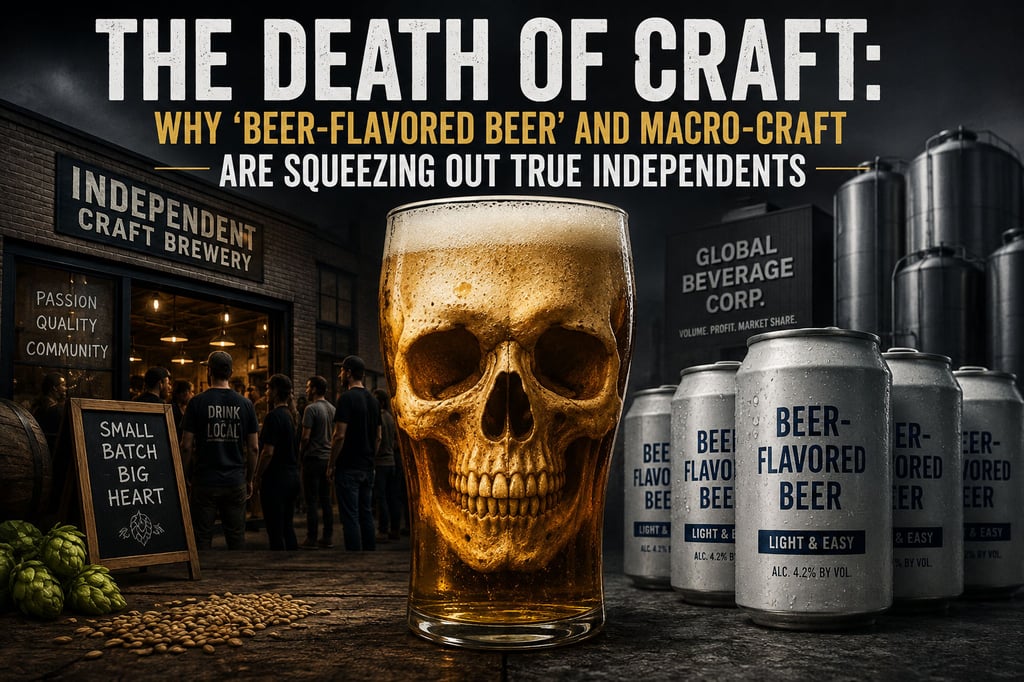
The Death of Craft: Why ‘Beer-Flavored Beer’ and Macro-Craft Are Squeezing Out True Independents
 Story by:
Bil Corcoran
Story by:
Bil Corcoran
Introduction:
The craft beer community is currently fracturing over a massive double standard. On one side, consumer fatigue has sparked a massive renaissance for traditional lagers and “beer-flavored beer”. On the other side, macro-brewery-owned “craft” labels and pseudo-independent brands are dominating tap lines and supermarket shelves using lower price points, leaving true independent craft breweries fighting for survival. Understanding these dynamics is crucial for anyone interested in independent craft beer market trends. Additionally, recent independent craft beer market trends indicate a shift in consumer preferences towards authenticity and quality, emphasizing the need for independent craft breweries to adapt and thrive in this changing landscape.
The debate centers on a provocative question: Has the craft beer movement lost its soul by chasing macro-style efficiency, and are drinkers actually abandoning local independent breweries for corporate-owned “craft” camouflaged as the real thing?
The modern craft beer landscape is undergoing a profound identity crisis. For over two decades, the movement thrived on an explosive formula: extreme experimentation, aggressive national expansion, and a relentless push for bigger, bolder flavor profiles.
In examining independent craft beer market trends, we must also consider how these changes affect the overall perception of craft beer. Independent craft beer market trends showcase a growing preference for local and authentic brewing methods, moving away from mass-produced alternatives.
As we explore the independent craft beer market trends, it’s essential to recognize the shifting consumer preferences and how they impact local breweries.
Moreover, the analysis of independent craft beer market trends reveals essential insights into consumer behavior and purchasing decisions. By focusing on quality and local sourcing, independent craft breweries can leverage these trends to strengthen their market position and foster community loyalty.
Today, that hyper-growth era has collided with a sobering macroeconomic reality. Consumer palates are shifting backward toward crisp, traditional lagers, while massive corporate conglomerates and pseudo-independent labels leverage lower price points to dominate retail shelves.
Understanding independent craft beer market trends is not only beneficial for consumers but also critical for industry stakeholders aiming to navigate this evolving landscape effectively.
This article explores the growing tension between authentic independent producers and macro-owned craft, examining why “beer-flavored beer” is reshaping the market and whether true independence can survive the squeeze.
Table of Contents
- Introduction: The End of the Hyper-Growth Era
- Quick Facts: The Modern Craft Beer Landscape
- The Paradox of “Beer-Flavored Beer”
- The Ownership Illusion: Who Really Owns Your Favorite Brand?
- The Taproom Pivot: How Independents Are Fighting Back
- Conclusion: Voting With Your Wallet
- Frequently Asked Questions
Quick Facts: The Modern Craft Beer Landscape
| Feature | Independent Craft Beer | Macro-Craft / Corporate Conglomerates |
| Ownership | Privately owned, founder-led, or employee-owned | Owned by multinational beverage or private equity firms |
| Production Scale | Small to regional; focused on local or limited footprint | Massive national or international volume capacity |
| Primary Sales Channel | Taprooms, local bars, and independent bottle shops | Big-box grocery stores, chain convenience stores, and national distributors |
| Market Strategy | Community engagement, hyper-local identity, and portfolio trimming | Aggressive pricing, shelf-space domination, and broad-appeal styles |
The Paradox of “Beer-Flavored Beer”
For years, hop fatigue and palate burnout have driven a massive cultural correction across taprooms. The era of tongue-shredding, quadruple-dry-hopped hazy IPAs and adjunct-heavy pastry stouts has given way to a renaissance for traditional lagers, pilsners, and clean, sessionable brews.
In light of recent independent craft beer market trends, it is essential for consumers to remain vigilant and supportive of truly independent brands that prioritize quality and community.
While this return to craft fundamentals feels like a victory for purists, it has triggered an unexpected paradox. Clean, crisp lagers require absolute technical precision to brew. Macro-breweries and corporate-backed “craft” divisions possess the high-tech, multi-million-dollar cellar infrastructure to execute these high-volume styles with near-flawless consistency and at a fraction of the production cost.
Consequently, small independent microbreweries find themselves caught in a trap. To stay relevant, they must brew lagers that appeal to mainstream preferences, yet they struggle to compete with the rock-bottom retail pricing of macro-backed alternatives that mimic the aesthetic of independence.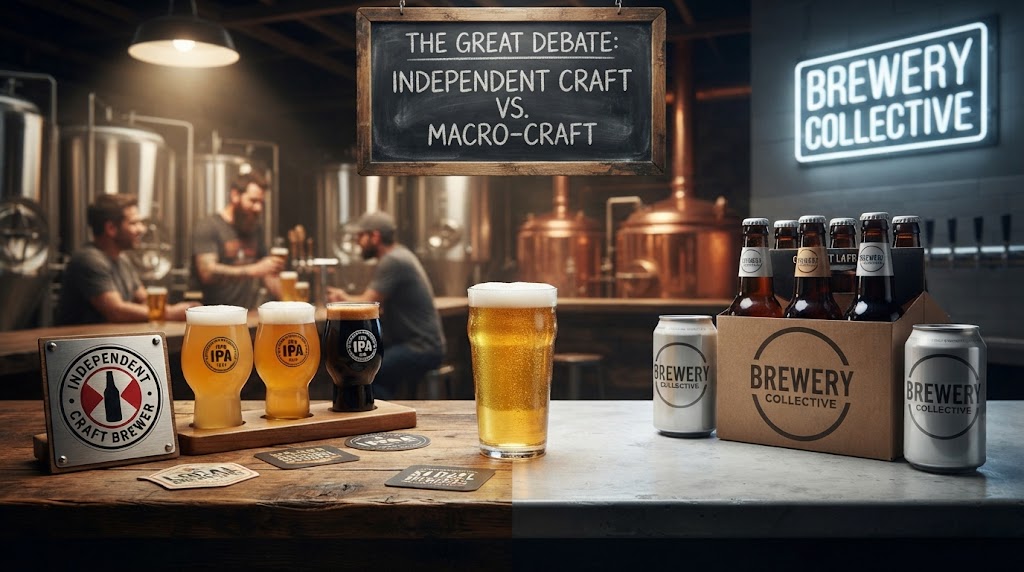
The Ownership Illusion: Who Really Owns Your Favorite Brand?
One of the most contentious debates in the beverage community centers on transparency. Walk down the beer aisle of any major supermarket, and you will find shelves lined with striking, rustic-looking packaging, whimsical branding names, and geographic nods that scream “local independent.”
Ultimately, the ongoing evolution of independent craft beer market trends reflects a broader cultural shift towards valuing quality, sustainability, and community engagement.
In reality, many of these brands were quietly acquired years ago by massive global conglomerates. While legacy acquisitions and localized partnerships, such as Evil Genius acquiring 21st Amendment or Fulton forming the True North Beverage collective, aim to keep historic brands alive within craft-minded ecosystems, corporate buyouts often tell a different story.
When a multi-national macro brewer swallows an independent favorite, the strategic goal is rarely artistic preservation. It is about capturing shelf space, squeezing out actual competitors, and muddying the waters so that everyday consumers cannot tell whether their dollars are supporting a local neighborhood startup or a corporate parent company.
As we embrace independent craft beer market trends, we can celebrate the creativity and passion that independent brewers bring to the table.
In reviewing independent craft beer market trends, it is evident that both breweries and consumers play crucial roles in shaping the future of the craft beer industry.
Next, we will delve deeper into the implications of these independent craft beer market trends and how they shape the market landscape.
By staying informed about independent craft beer market trends, we can all contribute to a thriving craft beer ecosystem that champions local producers.
The Taproom Pivot: How Independents Are Fighting Back
Faced with shrinking wholesale margins and aggressive retail crowding, true independent craft breweries are abandoning the expensive gamble of national distribution.
Instead, survival increasingly relies on a hyper-local taproom model. By keeping 80 percent or more of their total volume flowing directly across their own tasting room bar-tops, independent founders bypass costly distributor fees, eliminate out-of-date product loss, and maximize gross profit margins.
Furthermore, breweries are engaging in aggressive portfolio rationalization, trimming slow-moving or low-margin SKUs to keep tanks focused exclusively on high-performing, high-margin favorites. This back-to-basics approach allows small breweries to insulate themselves from broader macroeconomic pressures while doubling down on authentic community connections.
Thus, recognizing independent craft beer market trends can empower consumers to make informed choices that support authentic brewing practices.
Related news from mybberbuzz.com:
As the craft beer industry navigates structural shifts, margin compression, and changing consumer habits, the overarching conversation frequently returns to balance. Whether analyzing the explosive demand for non-alcoholic options and functional wellness brews, tracking strategic portfolio adjustments, or watching historic brand transitions unfold across platforms like MyBeerBuzz, one reality remains clear: understanding whether independence is still worth the consumer premium requires looking beyond the label to evaluate the true business models driving today’s beer market.
Conclusion
The friction between independent craft breweries and macro-backed operations is more than a simple culture war; it is a battle for the financial soul of the industry. While corporate conglomerates can mimic the flavor profiles and aesthetic of craft, they cannot replicate the genuine community investment and risk-taking creativity that small, independent makers provide. Protecting the future of independent beer requires consumer awareness, a close eye on ownership labels, and a conscious decision to support local taprooms over corporate convenience.
Frequently Asked Questions
What defines an independent craft beer?
According to the Brewers Association, an independent craft brewer is small (producing annual barrels below a specific threshold) and traditional (meaning less than 25% of the brewery is owned or controlled by an alcoholic beverage industry member who is not a craft brewer).
Why are traditional lagers becoming so popular again?
Consumers are experiencing palate fatigue from high-alcohol, heavily hopped, and adjunct-laden styles. Clean, crisp lagers offer high drinkability, food-pairing versatility, and a refreshing alternative that appeals to both casual drinkers and craft veterans.
How can I tell if a craft beer brand is truly independent?
Look for the official “Independent Craft Brewer” seal on the packaging (an upside-down beer bottle inside a shield). You can also research the brand’s ownership history online or check resources that track corporate brewery acquisitions.
Why are independent breweries moving away from wide distribution?
National and multi-state distribution involves high freight costs, heavy distributor consolidation, steep slotting fees, and razor-thin margins. Focusing on taproom-centric, direct-to-consumer sales keeps profits local and protects operational stability.
As consumers become more informed, independent craft beer market trends illustrate a shift towards supporting local artisans, which is vital for the sustainability of the craft beer community.
Monitoring independent craft beer market trends will also help consumers identify which brands are genuinely committed to the craft philosophy.
Lastly, as we reflect on independent craft beer market trends, it is essential to continue valuing the hard work and dedication of independent brewers who strive for excellence in every pour.
In summary, understanding independent craft beer market trends is key to recognizing the ongoing struggles and triumphs of the craft beer community.
In summary, understanding independent craft beer market trends is key to recognizing the ongoing struggles and triumphs of the craft beer community.
The future of beer will largely depend on how well independent craft breweries can adapt to independent craft beer market trends and maintain their unique identities amidst corporate pressures.




Comments 0
No Readers' Pick yet.