



The Rise of Hazy IPAs: Science, Flavor, and Why Cloudy Beer Became a Craft Trend
 Story by:
Bil Corcoran
Story by:
Bil Corcoran
Introduction
Craft beer thrives on innovation, and few trends illustrate this better than the rise of hazy IPAs. Once considered a brewing flaw, turbidity—cloudiness in beer—has become a hallmark of quality for a new generation of hop-forward ales. But why did hazy beers become so popular, and what’s the science behind their distinctive appearance and flavor?
A Brief History of the Haze Craze
For decades, clarity was synonymous with quality. Brewers prided themselves on crystal-clear lagers and brilliantly filtered ales. Then came the New England IPA (NEIPA) movement in the mid-2010s, originating in Vermont and spreading rapidly across the U.S. These beers broke the rules: they were opaque, juicy, and bursting with tropical fruit aromas. What started as a regional curiosity soon became a global phenomenon.
Why Turbidity Became Trendy
The appeal of hazy IPAs lies in their sensory experience:
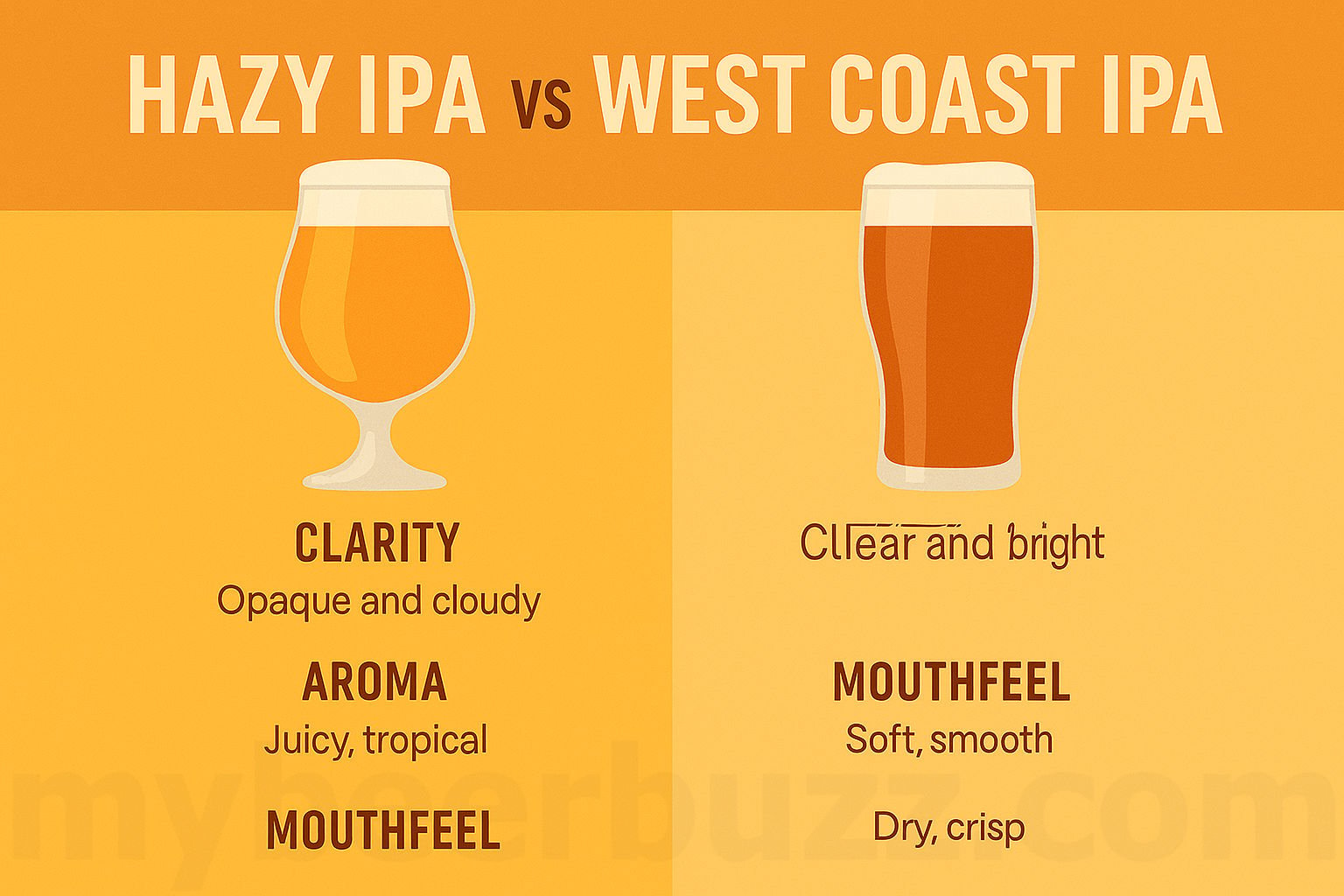
- Visual Impact: The cloudy, smoothie-like appearance stands out in a sea of clear beers.
- Flavor Profile: Soft mouthfeel and juicy hop character without overwhelming bitterness.
- Social Media Factor: Instagram-ready aesthetics fueled their popularity among younger drinkers.
The Science Behind the Cloudiness
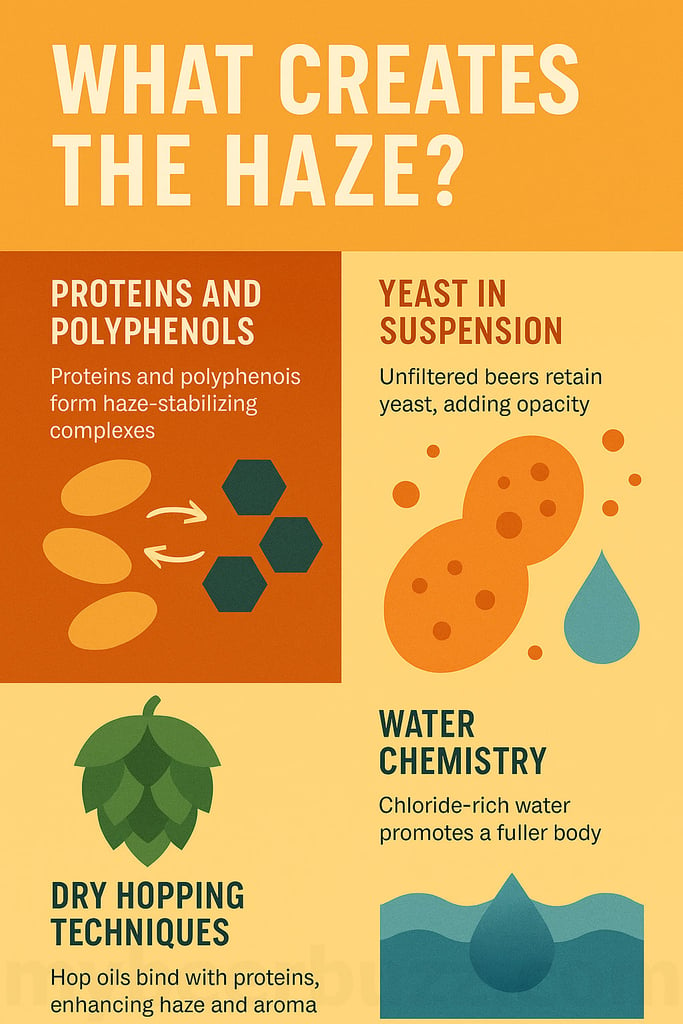
Haze isn’t accidental—it’s engineered. Here’s what creates it:
- Proteins and Polyphenols
High-protein grains like oats and wheat interact with hop polyphenols, forming haze-stabilizing complexes. - Yeast in Suspension
Unfiltered beers retain yeast particles, adding opacity and subtle flavor notes. - Dry Hopping Techniques
Heavy dry hopping during fermentation introduces hop oils that bind with proteins, enhancing haze and aroma. - Water Chemistry
Chloride-heavy water profiles promote a rounder mouthfeel and haze stability.
Flavor and Mouthfeel: More Than Just Looks
The haze contributes to:
- Silky Texture: Suspended particles create a pillowy body.
- Amplified Aroma: Hop oils cling to haze particles, boosting tropical fruit notes like mango, pineapple, and citrus.
Debunking Myths About Haze
Contrary to old-school thinking, haze isn’t poor brewing technique. Modern hazy IPAs are meticulously crafted, with haze stability as a key quality metric. An unstable haze—where particles settle quickly—signals flaws, not authenticity.
Cultural Impact
Hazy IPAs have reshaped beer culture:
- Taprooms now feature “juice bombs” alongside traditional styles.
- Consumers actively seek out hazy releases.
- Adjacent categories like hazy pale ales and lagers have emerged.
Where Do We Go From Here?
Will haze fade? Some predict a return to clarity with lagers and West Coast IPAs. Others believe haze is here to stay, evolving into hybrid styles. Either way, hazy IPAs prove that innovation and aesthetics can drive entire markets.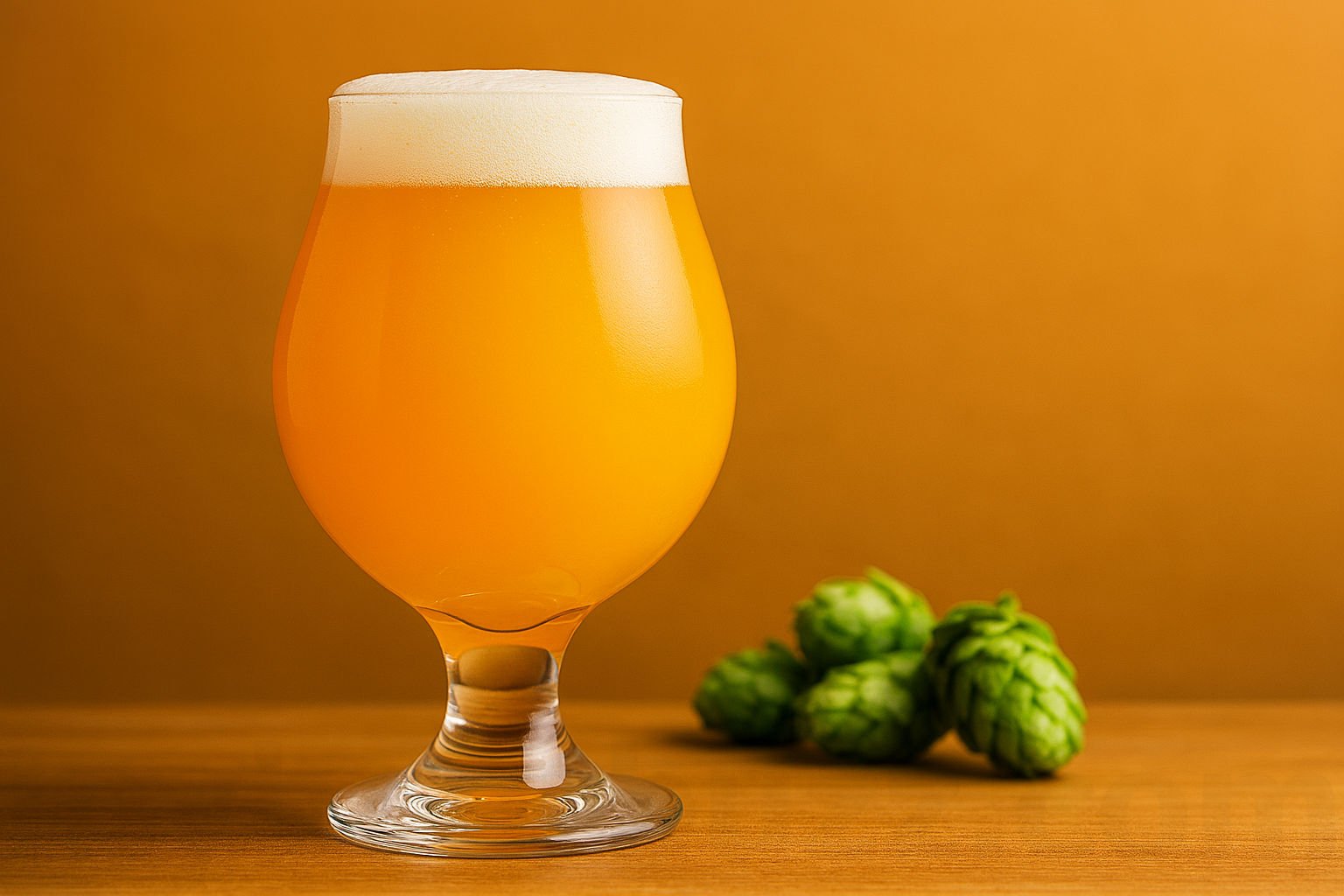
Final Thoughts
The haze craze isn’t just a fad—it reflects changing consumer preferences and brewing ingenuity. By embracing turbidity, brewers unlocked new dimensions of flavor, aroma, and texture, proving that sometimes, breaking the rules leads to the most exciting results.
zzubreebym



Comments 0
No Readers' Pick yet.