
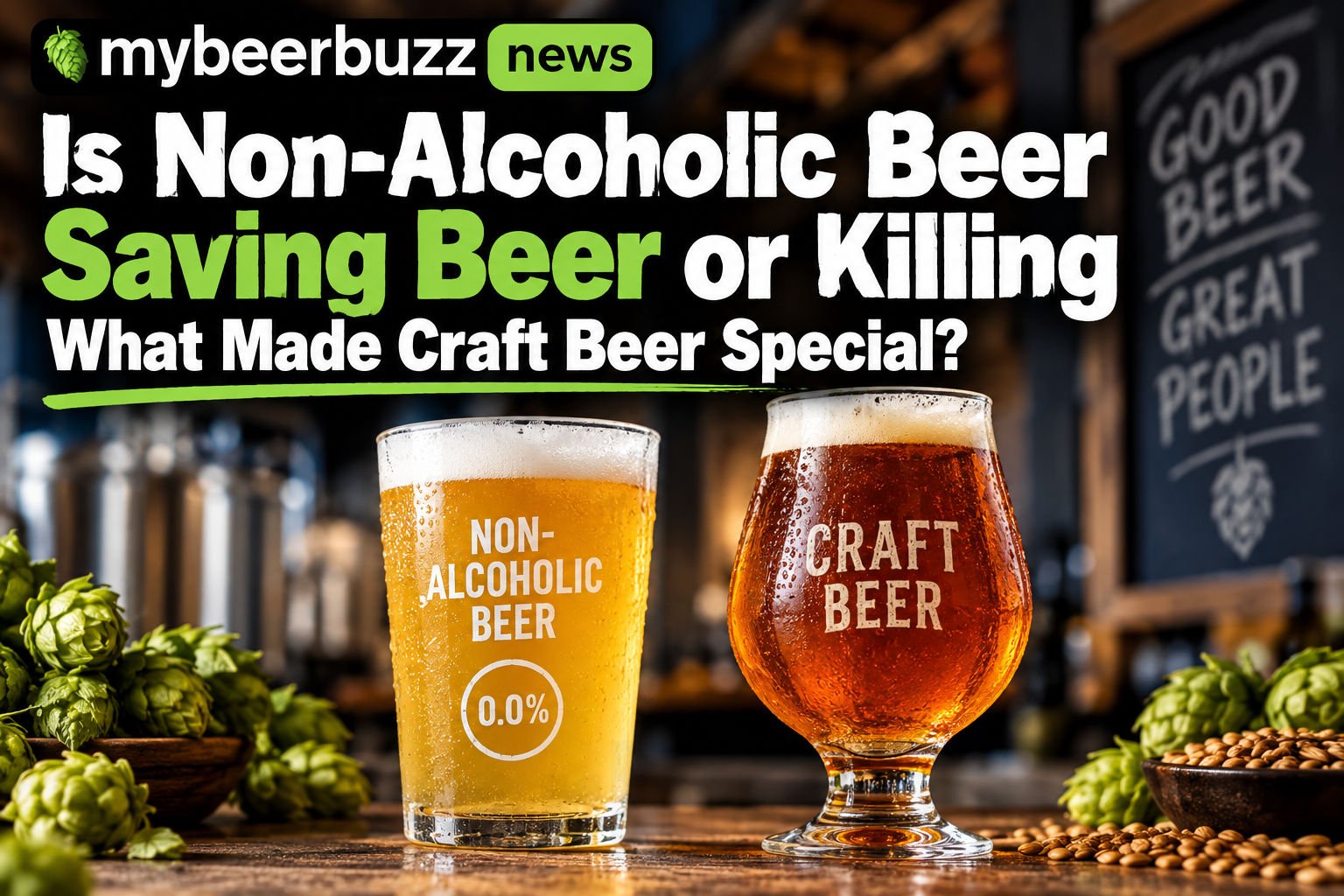
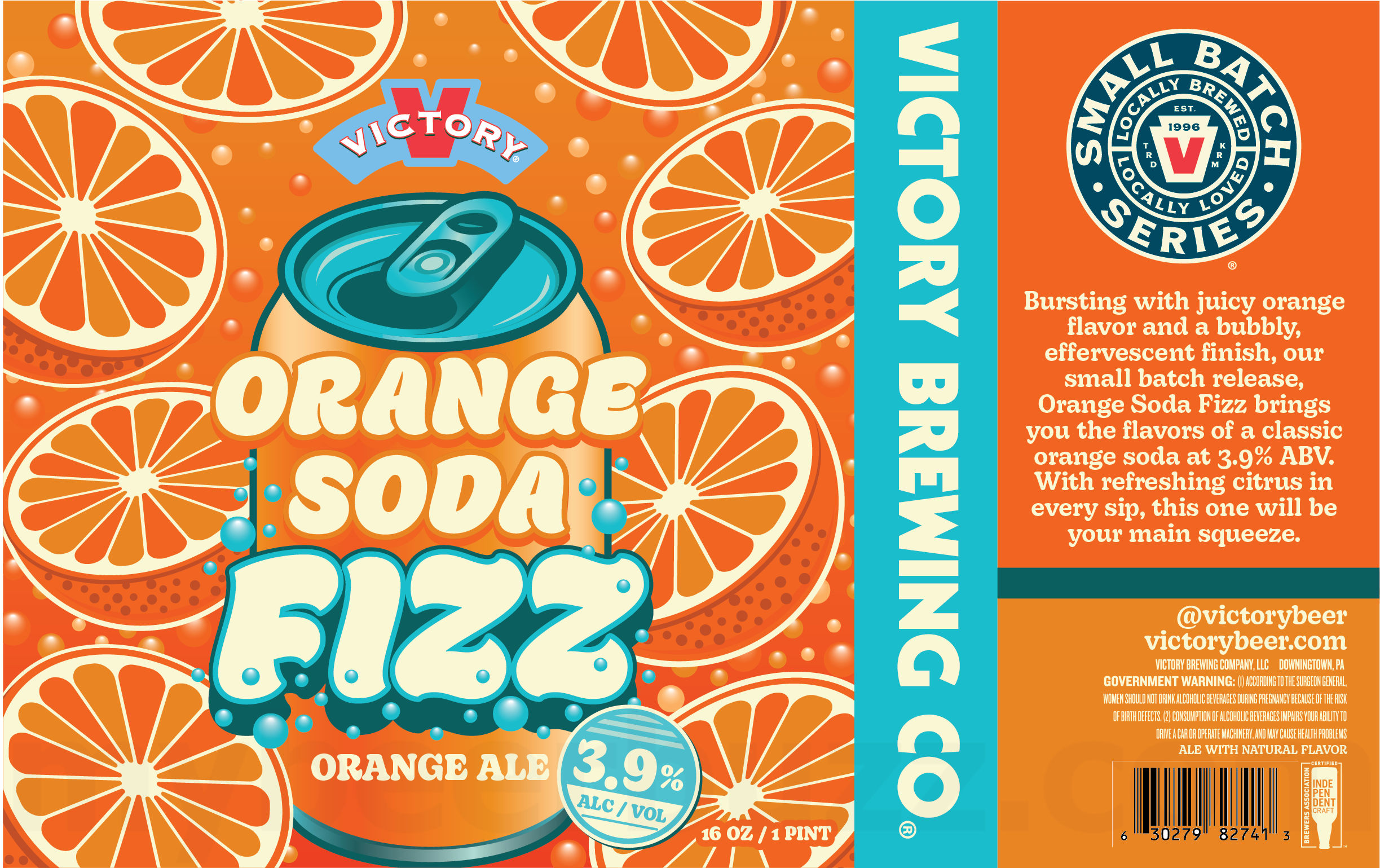



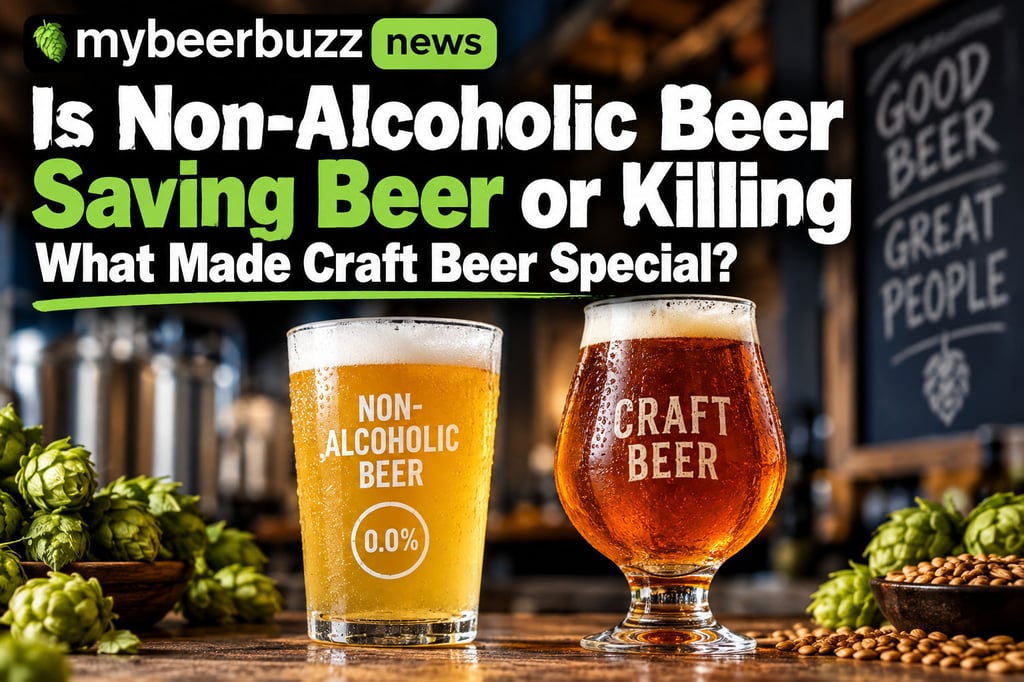
Is Non-Alcoholic Beer Saving Beer or Killing What Made Craft Beer Special?
 Story by:
Bil Corcoran
Non-Alcoholic Beer:
Table of contents
- Introduction: The beer industry has a problem
- Quick facts: the rise of non-alcoholic beer
- What exactly is non-alcoholic beer?
- Why non-alcoholic beer is growing so fast
- The argument that NA beer is saving beer
- NA beer could bring new consumers to beer
- The younger consumer is changing the beer conversation
- Why craft breweries are embracing non-alcoholic beer
- But is something being lost?
- Has craft beer become too focused on wellness?
- Does removing alcohol remove part of the experience?
- The great flavor debate
- NA beer vs. traditional craft beer
- Could non-alcoholic beer become the new craft beer?
- Where big beer fits into the NA revolution
- The economic argument for non-alcoholic beer
- The counterargument: Is NA beer a threat to traditional beer?
- What happens to beer culture?
- The future: beer gets bigger by becoming less intoxicating
- Conclusion: Saving beer without losing beer
- What do you think?
- FAQ
Introduction: The beer industry has a problem
A guy walks into a brewery on a Saturday afternoon with three friends. Three order beer. He doesn’t because he’s driving. For years, the brewery probably would have handed him water, soda or maybe coffee and moved on. He was still welcome, but the beer wasn’t really for him.
Now he can order an IPA. An NA IPA, and likely several other NA options..
That small change says a lot about where beer is heading. The non-alcoholic beer trend has moved well beyond a niche shelf of alcohol-free products that tasted like watered-down beer. Breweries are making pilsners, lagers, IPAs, stouts, sours and other styles designed specifically for people who want the beer experience without the effects of alcohol.
That raises an uncomfortable question for craft beer: What happens when alcohol becomes optional?
The optimistic answer is that beer gets bigger. More people can participate, more drinking occasions become possible, and breweries get another way to connect with consumers. The skeptical answer is different. If breweries chase moderation, wellness and category growth too aggressively, could they lose some of the creativity, experimentation and attitude that made craft beer special?
Both arguments have merit, which is exactly why this conversation matters. Non-alcoholic beer isn’t simply another product appearing on grocery store shelves. It could change how breweries think about beer, how consumers think about drinking and what the word “beer” means in the first place.
Quick facts: the rise of non-alcoholic beer
| Category | Key point |
|---|---|
| Main appeal | Beer flavor without the effects of alcohol |
| Major trend | More consumers are moderating alcohol |
| Growing category | Non-alcoholic beer industry |
| Craft opportunity | IPAs, lagers, pilsners, stouts, Oktoberfest beers and experimental NA styles |
| New consumers | Sober-curious drinkers, athletes, drivers and moderate drinkers |
| Biggest advantage | More drinking occasions |
| Biggest challenge | Creating body and flavor without much alcohol |
| Cultural question | Can NA beer grow without changing beer culture? |
| Main debate | Is NA beer expanding beer or replacing part of it? |
What exactly is non-alcoholic beer?
Non-alcoholic beer is not simply traditional beer with the alcohol not included. Brewers can approach it several ways. Some control fermentation to limit alcohol production, while others brew a beer normally and remove alcohol afterward using specialized processes such as vacuum distillation or membrane filtration.
The technical challenge becomes obvious once you think about what alcohol actually does in beer. Alcohol contributes body, warmth, texture and affects how certain aromas and flavors are perceived. Remove it and the beer can suddenly feel thin, sweet or incomplete, which is one reason early non-alcoholic beer developed such a mixed reputation.
Modern craft non-alcoholic beer is trying to change that perception. Instead of asking, “How closely can we copy a regular beer?” some brewers are asking a better question: “How good can this beer be on its own?” An NA pilsner doesn’t have to taste exactly like a 5% pilsner, and an NA IPA doesn’t have to perfectly duplicate a 7% IPA. The beer needs enough aroma, body, bitterness and character to make consumers want another one.
That is becoming a much higher standard, and it is one reason the category is getting more interesting.
Why non-alcoholic beer is growing so fast
Walk through a good beer store now and something is obvious: non-alcoholic beer is no longer hiding. It has shelf space, and the category is increasingly competing for the same consumer attention as traditional beer, hard seltzer, ready-to-drink cocktails, sparkling water, energy drinks and other beverages.
The biggest force behind the non-alcoholic beer trend is moderation. People still want beer, but they don’t necessarily want alcohol every time they drink one. They may be driving, working early, exercising, spending time with family or simply trying to drink less. The old beer industry didn’t have a great answer for those consumers. If you didn’t want alcohol, you were generally told to drink something else.
NA beer changes that. You can still open a can, pour it into a glass, smell the hops and sit at a brewery with friends. Much of the ritual remains intact, and that matters because beer has always been about more than the liquid itself. It is the pint glass, the brewery patio, the conversation and the shared experience.
The category also creates drinking occasions traditional beer can’t always reach. An IPA might not make sense before a workout or during a work lunch, while an NA IPA might fit perfectly. This is where the non-alcoholic beer industry gets particularly interesting. NA beer doesn’t necessarily have to steal traditional beer customers. It can give those same customers another choice at another time. A person can drink a traditional IPA Friday night and an NA pilsner Saturday afternoon without seeing those choices as contradictory.
That could be a major reason the category continues to grow.
The argument that NA beer is saving beer
Here is the strongest argument for non-alcoholic beer: it gives beer more opportunities to be chosen. Traditional beer has an obvious limitation because alcohol restricts when people can reasonably drink it. NA beer removes much of that limitation and lets beer appear in situations where a traditional 6% or 7% beer may not make sense.
Consider that brewery taproom again. Four friends arrive. Three order traditional beer, while the fourth person is driving. The old answer was water or soda. Now that person can order a craft non-alcoholic beer and remain part of the experience. The brewery makes a sale, the customer participates and nobody has to sit out.
The same applies to sober-curious consumers who aren’t permanently giving up alcohol but are experimenting with drinking less. They may want an NA beer between traditional beers, during the week or for an entire month. The old beer industry could view those people as lost customers, while the non-alcoholic beer industry can view them as potential customers. That is a major shift.
NA beer also preserves much of the social ritual surrounding beer. The pint glass, the toast, the brewery patio and the shared six-pack don’t automatically disappear because the alcohol does. The argument isn’t that everyone should stop drinking traditional beer. It is that beer should give consumers another choice.
There is a catch, though. Once breweries recognize the money involved, more of them will make NA beer, retailers will give it more shelf space and marketing will increase. That could be good for the category, but it could also change what gets brewed if breweries begin shifting too much attention toward whatever happens to be selling fastest.
To add personal evidence, I just visited Sierra Nevada Brewing in Chico, California. Unfortunately, that visit came after a 90-minute drive and with a two-hour drive yet to go. I opted for lunch and two Trail Pass NA beers, allowing me to enjoy my visit and not worry about drinking and driving.
NA beer could bring new consumers to beer
The beer industry has struggled to reach some consumers for years, particularly people who don’t want alcohol but may still enjoy the flavors, culture and social experience surrounding beer. A person can love hops, malt, yeast and brewing while deciding that alcohol isn’t worth it on a particular day. Traditional beer doesn’t offer that person many options, while craft non-alcoholic beer does.
Sober-curious consumers are an obvious audience, but they’re hardly the only one. Athletes may want a cold drink after a workout without alcohol. Parents may want something at a child’s sporting event. Designated drivers can participate. Someone working early the next morning can have a beer without worrying about the alcohol. The potential audience is broad because the reasons for choosing NA beer are broad.
There is also an interesting possibility for craft breweries. An NA drinker might eventually become interested in traditional beer. Someone could start with an NA pale ale, discover they like hop flavor, visit a brewery and eventually try a low-ABV session IPA. Maybe they never become a traditional beer drinker, and that’s fine too. The important point is that craft non-alcoholic beer creates a doorway into beer culture that didn’t exist in the same way before.
If craft beer is about creativity, flavor, experimentation and community, perhaps alcohol was never the entire point. Maybe the beer itself was.
The younger consumer is changing the beer conversation
Younger consumers have more beverage choices than previous generations did. Beer competes with energy drinks, sparkling water, kombucha, mocktails, cold brew, functional beverages and ready-to-drink products, so every drink has to earn its place.
That changes the conversation around alcohol. Younger drinkers may be interested in breweries, flavors and social experiences without wanting alcohol to be the center of those experiences. The non-alcoholic beer trend fits that shift particularly well because consumers can participate in beer culture without automatically accepting the effects of alcohol.
The old assumption was that younger consumers would eventually become heavier traditional beer drinkers. That path isn’t guaranteed anymore. A consumer might care about local breweries and craft beer culture while being much more selective about alcohol. Craft non-alcoholic beer gives that person a way into the category without requiring them to change their lifestyle.
Flavor matters here, too. If an NA beer tastes genuinely good, consumers don’t have to think of it as a compromise. It can simply be another beer they like. That may be one of the biggest changes happening in the non-alcoholic beer industry: the product is increasingly being judged by what it offers instead of what it lacks.
Why craft breweries are embracing non-alcoholic beer
Craft breweries need customers, new occasions and products that give consumers a reason to visit, buy and come back. Craft non-alcoholic beer can help with all three. A brewery can produce an NA pilsner, IPA, pale ale, stout or sour and offer it alongside traditional beer, giving consumers another reason to buy from that brewery even when they don’t want alcohol.
But making good NA beer is difficult. Alcohol contributes body, sweetness and texture, so removing it can create problems. Brewers have to think differently about fermentation, ingredients and flavor balance, and that actually plays to the strengths of craft brewing.
Craft breweries already experiment with yeast, hops, malt, water chemistry and unusual ingredients. There is no reason NA beer can’t receive the same attention. The best breweries won’t simply make an alcohol-free version because the category is growing. They’ll treat it as another brewing challenge and figure out how to make the beer taste distinctive.
That is where craft non-alcoholic beer can become interesting. It can be local, weird and full of personality. The danger comes when every brewery makes the same NA IPA because someone saw a sales report and decided to jump into the category. Craft beer has seen that before. Trends attract imitators, and some execute better than others.
But is something being lost?
This is where the argument gets uncomfortable. Non-alcoholic beer can expand beer’s audience and still change something about beer culture.
Craft beer was never supposed to be just another beverage category. It was built around independent breweries doing things differently, experimenting with ingredients and making beers that didn’t always fit the established system. There was personality in it, and sometimes there was too much personality. That was part of the fun.
The concern isn’t that NA beer exists. The concern is what happens if breweries start shaping everything around whatever trend appears most profitable. Moderation sells. Wellness sells. Low-calorie products sell. Alcohol-free products sell. But craft beer became important partly because brewers were willing to take risks, make strange beers and occasionally fail.
If the industry becomes obsessed with producing the most commercially acceptable drink possible, something could disappear even while sales remain healthy. Ironically, non-alcoholic beer could be one of the most creative developments in brewing. The problem is copying it.
If every brewery makes the same bland NA lager, the category gets boring. And boring beer has never been what craft brewing was supposed to be about.
Has craft beer become too focused on wellness?
Beer and wellness weren’t exactly natural partners. Now they are being discussed together constantly as consumers pay closer attention to calories, carbohydrates, alcohol percentage and ingredients. People are also thinking more about how alcohol affects sleep, exercise, work and the next morning.
That’s real, and breweries should respond to what consumers want. But beer is also supposed to be fun. Sometimes you want a crisp pilsner. Sometimes you want a giant imperial stout. Sometimes you want a ridiculous double IPA because you like hops and don’t particularly care whether it fits into a wellness routine.
There should still be room for that.
The problem isn’t wellness. The problem would be allowing wellness to become the only story beer can tell. A brewery can make a 0.5% NA beer and a 10% imperial stout, or a low-calorie lager alongside a pastry stout. Beer doesn’t have to choose one identity.
That variety may actually be one of the strongest arguments for keeping traditional and non-alcoholic beer together rather than treating them as competing worlds.
Does removing alcohol remove part of the experience?
Traditional beer drinkers have a legitimate argument here because alcohol changes beer. Ethanol contributes warmth, body, texture and the way certain flavors are perceived. Higher alcohol can make a beer feel richer and fuller, so taking it away changes the drinking experience.
That doesn’t automatically make the beer worse. It makes it different.
A great non-alcoholic beer should not necessarily be judged by whether it perfectly imitates a traditional IPA. Instead, consumers should ask whether it works on its own terms. Does it smell good? Does it have enough body? Is the hop character interesting? Is the finish clean? Would you order another one?
Those questions matter more than whether the beer fools you.
There is still something alcohol contributes that NA beer cannot reproduce: the effect itself. People drink beer for flavor, but many also enjoy the mild buzz and social looseness that alcohol creates. NA beer doesn’t provide that, and it doesn’t have to. It can serve a different purpose while still being good beer.
The great flavor debate
Flavor is where non-alcoholic beer will ultimately win or lose. Consumers will try it once because they’re curious, but they will buy it again only if they actually enjoy it.
Body is one of the biggest technical challenges. Remove too much alcohol and a beer can feel watery. Push fermentation in the wrong direction and it can become overly sweet. Add too much flavoring and the result can taste artificial. There is no shortcut around good brewing.
Hops can help, malt can help, yeast can help and technology can help, but the finished beer still has to work. Craft breweries have an opportunity because they can design recipes around the limitations of low alcohol rather than trying to duplicate a traditional beer perfectly.
A pilsner can emphasize crispness. A pale ale can focus on hop aroma. A wheat beer can emphasize softness and citrus. The rules are different, and that means the beer can be different.
The best NA beer may not be the one that fools you into thinking it contains alcohol. It may be the one that makes you stop caring that it doesn’t.
 NA beer vs. traditional craft beer
 NA beer vs. traditional craft beer
| Category | Non-Alcoholic Beer | Traditional Craft Beer |
|---|---|---|
| Alcohol | Very low or none, depending on product | Contains alcohol |
| Main appeal | Flavor, moderation and flexibility | Flavor, tradition and alcohol effects |
| Best occasions | Lunch, driving, exercise and daytime events | Meals, evenings and celebrations |
| Craft potential | Growing rapidly | Established and extremely broad |
| Main challenge | Body and complexity without much alcohol | Balancing alcohol, flavor and fermentation |
| Consumer base | Moderate, sober-curious and traditional drinkers | Traditional beer drinkers and enthusiasts |
| Biggest opportunity | New consumers and occasions | Continued brewing innovation |
| Biggest concern | Becoming repetitive | Losing consumers to other beverages |
These products don’t have to be enemies. The same person can buy both, and that’s probably where the industry is headed.
Could non-alcoholic beer become the new craft beer?
Probably, but not completely. Traditional craft beer is too established, and many drinkers genuinely enjoy alcohol as part of the experience. But NA beer could become a much larger part of craft brewing without replacing traditional beer.
A brewery could eventually have traditional beers, low-alcohol beers and non-alcoholic beers on the same tap list without anyone finding that unusual. A 0.5% pale ale could sit next to a 4% session IPA, a 6% IPA and a 10% imperial stout.
Same brewery. Different occasions.
That is more interesting than treating NA beer as a separate imitation category. It also forces brewers to think about what actually defines beer. If alcohol is no longer mandatory, flavor, ingredients and brewing technique become even more important.
That could be good for beer because it forces breweries to prove that beer is more than alcohol delivery.
Where big beer fits into the NA revolution
Large beer companies understand the opportunity. They have distribution, national retail relationships and marketing budgets that small breweries can’t match. That can help the entire category because when consumers see NA beer in grocery stores, restaurants, stadiums and convenience stores, it becomes normal.
But it creates competition, too. A national brand can put an NA product in front of millions of people while a small brewery may struggle to get a few cases onto a local shelf. Craft beer has faced this problem before, and NA beer won’t somehow escape the basic realities of the beverage business.
There is another possibility, though. Big beer can create awareness while craft breweries create more specialized products. Someone might try a mainstream NA lager at a football game and discover they like the concept. Later, they see a craft non-alcoholic IPA at a local brewery and become interested in trying it.
One company creates awareness. Another creates something different. Consumers decide.
The economic argument for non-alcoholic beer
The financial case is pretty simple. Breweries need products that sell, and NA beer can create occasions when traditional beer isn’t always appropriate. Lunches, athletic events, weekday afternoons, family gatherings and customers who simply don’t want alcohol that day all become potential sales opportunities.
For a small brewery, that matters. The best scenario is that consumers buy NA beer alongside traditional beer rather than instead of it. A customer buys an IPA for Friday and an NA IPA for Tuesday. The brewery sells more product without asking the customer to consume more alcohol.
That’s a powerful proposition.
But breweries shouldn’t assume every NA sale is incremental. Some consumers will replace traditional beer with NA beer, which is still a sale but not the same sale. The economics will ultimately depend on how consumers behave as the category matures and whether NA beer creates genuinely new occasions or mostly shifts existing purchases.
The counterargument: Is NA beer a threat to traditional beer?
Absolutely. Every beverage category competes for consumer attention and spending. If someone spends $25 on NA beer instead of traditional craft beer, traditional beer has lost part of that purchase. The category can grow while traditional beer loses ground. Both can happen.
That is why the non-alcoholic beer trend makes some traditional beer fans nervous. If retailers give NA beer more shelf space, something else moves. If breweries devote tanks to NA production, those tanks aren’t making another beer. If consumers become more interested in moderation, high-ABV beer could face a tougher environment.
That doesn’t mean imperial stouts and double IPAs disappear. It means breweries may have to decide more carefully how much they make.
There is also a cultural concern. What happens to the traditional idea of going out for a beer if the beer no longer automatically implies alcohol? Maybe not much. Maybe everything changes. Beer culture has always evolved, and it will probably survive NA beer too.
But survival and identity aren’t the same thing.
What happens to beer culture?
This may be the most interesting question because beer culture isn’t really about alcohol alone. It’s breweries, people, conversations, taprooms, festivals, can collecting, brewery trips and discovering some tiny operation in a town you have never visited.
None of that requires alcohol.
That should make the craft beer community think. If someone can participate without drinking alcohol, why wouldn’t the beer community welcome them? More people at the table is generally a good thing.
But beer culture shouldn’t become so sanitized that every rough edge disappears. Craft beer has always had personality, experimentation and some weirdness. NA beer can belong in that culture without replacing it.
A brewery can pour a 0.5% IPA beside a 7% IPA and let customers choose. No lecture. No judgment. Just beer.
The future: beer gets bigger by becoming less intoxicating
The future of beer may be more flexible than the industry once imagined. A brewery could offer traditional beer, low-alcohol beer and non-alcoholic beer side by side, with customers moving between them depending on the occasion.
That isn’t necessarily the death of beer. It may be beer becoming more adaptable.
The non-alcoholic beer industry has forced brewers to answer difficult questions. How do you create body without alcohol? How do you build flavor without depending on fermentation character? How do you make consumers choose an NA beer because they want it rather than because they have no other option?
Those are good questions, and hard brewing problems can produce interesting beer.
The biggest opportunity for craft non-alcoholic beer may not be convincing traditional drinkers to give up alcohol. It may be convincing people they don’t have to choose only one kind of beer. Traditional IPA Friday night, NA pilsner Saturday afternoon, stout Sunday and nothing Monday. That is closer to how people actually live.
The danger is breweries treating NA beer as a shortcut to growth and forgetting why consumers cared about craft beer in the first place. They wanted something different. They wanted flavor, local identity and experimentation. They didn’t want every beer to taste the same.
If NA beer keeps those values alive, it could become one of the most important developments in modern brewing. If it becomes another mass-market formula, the opportunity gets much smaller.
Non-alcoholic beer doesn’t have to save beer. Beer doesn’t need saving from NA beer, either. The category simply needs to prove that removing alcohol doesn’t mean removing personality.
That’s the test.
Conclusion: Saving beer without losing beer
The non-alcoholic beer trend is not going away, and the real question is what breweries do with it. NA beer can bring new people into breweries, create drinking occasions that traditional beer can’t always reach and give existing beer drinkers another option. That’s a legitimate opportunity for the beer industry.
But expanding beer and changing beer are not the same thing. Craft beer became important because breweries experimented, took risks and made products that didn’t always fit the established system. Craft non-alcoholic beer should do the same.
The danger is chasing the category simply because it is growing. If every brewery makes the same bland NA lager or IPA, the category becomes predictable, which is the opposite of what made craft beer interesting in the first place.
The best future probably isn’t traditional beer versus non-alcoholic beer. It’s both. A person can enjoy a 7% IPA Friday night and a 0.5% NA IPA Saturday afternoon without seeing any contradiction between those choices.
Different beer. Different occasion.
The real test is whether the non-alcoholic beer industry can grow without stripping away the creativity, flavor and personality that made craft beer matter. That question is still wide open, and that’s what makes this trend worth watching.
What do you think?
Is non-alcoholic beer helping save the beer industry, or is it slowly changing craft beer into something it was never meant to be?
The argument works both ways. The non-alcoholic beer trend can attract new consumers, create more drinking occasions and give beer fans an alternative when they don’t want alcohol. Craft non-alcoholic beer can also give independent breweries another product and another reason for customers to visit.
But there is a legitimate concern that breweries could become too focused on moderation, wellness and whichever beverage category happens to be growing fastest.
So where do you land? Does non-alcoholic beer belong at the center of the future of craft beer, or should it remain a smaller option alongside traditional beer? Have you tried a craft non-alcoholic beer that genuinely impressed you, or have you tried one and thought, “This just isn’t beer”?
That’s the discussion worth having so please comment on the article here or in social media.
FAQ: non-alcoholic beer and the future of craft beer
What is non-alcoholic beer?
Non-alcoholic beer is beer produced to contain very little alcohol or, depending on the product and labeling, no alcohol. Brewers can control fermentation or remove alcohol after brewing. Modern products include pilsners, lagers, IPAs, stouts, wheat beers and sour beers.
Why is the non-alcoholic beer trend growing?
The non-alcoholic beer trend is being driven by moderation, changing drinking habits and demand for more flexible occasions. Consumers may want beer flavor without alcohol during lunch, before driving, after exercise, at sporting events or simply on days when they don’t want to drink.
Is non-alcoholic beer actually beer?
NA beer can use the same basic ingredients as traditional beer, including malt, hops, yeast and water. The major difference is how alcohol production is controlled or how alcohol is removed. The finished beer may taste different because alcohol affects body, flavor and aroma.
Is craft non-alcoholic beer better?
Not automatically. Craft non-alcoholic beer can offer more experimentation and distinctive brewing character, but “craft” doesn’t guarantee quality. The beer still has to taste good.
Does non-alcoholic beer contain alcohol?
Some products labeled non-alcoholic can contain small amounts of alcohol depending on the product and labeling rules. Anyone who needs to avoid alcohol completely should check the specific product and manufacturer’s information to ensure the alcohol content is acceptable.
Can non-alcoholic beer taste like traditional craft beer?
It can come surprisingly close, but alcohol contributes body, warmth and other sensory characteristics that are difficult to duplicate. The best NA beers don’t necessarily try to fool consumers. They focus on being enjoyable beers in their own right.
Is non-alcoholic beer replacing traditional craft beer?
It is more likely that NA beer will exist alongside traditional craft beer. The same consumer can choose traditional beer for one occasion and non-alcoholic beer for another, which may ultimately expand the beer category rather than eliminate traditional beer.
Why are craft breweries making non-alcoholic beer?
Consumer demand is one reason, but breweries also see opportunities to create new drinking occasions and reach people who don’t normally drink alcohol. For independent breweries, another useful product category can be valuable, particularly when it brings customers into the taproom who might otherwise order something besides beer.
Could non-alcoholic beer attract younger consumers?
It could. Younger consumers have an enormous range of beverage choices and may be more selective about alcohol while still being interested in flavor, breweries and social experiences. That gives craft non-alcoholic beer an opening with consumers who may not otherwise become regular traditional beer drinkers.
Is non-alcoholic beer healthier than traditional beer?
Not necessarily in every respect. NA beer generally contains much less alcohol, but products vary in calories, carbohydrates, sugar and ingredients. Consumers should look at the individual product rather than assuming every NA beer has the same nutritional profile.
Will non-alcoholic beer become the future of beer?
It will probably become a larger part of the beer industry, but it is unlikely to completely replace traditional beer. A more realistic future includes traditional beer, low-alcohol beer and non-alcoholic beer existing together, giving consumers more choices without forcing breweries to abandon the creativity and experimentation that made craft beer interesting in the first place.



Comments 0
No Readers' Pick yet.