






Irish Beer: Top Brands, Styles, and Must-Try Picks
 Story by:
Bil Corcoran
Story by:
Bil Corcoran
Irish beer isn’t just Guinness, even if that’s what half the world jumps to when asked to name a beer from Ireland. Ireland has red ales with notes of toast and light caramel, lagers that are crisp and easy to put down, and stouts that swing from dry and sharp to smooth and almost dessert-like. The best part is that the number of Irish beers worth trying keeps growing. A mid-2023 estimate puts Ireland at 79 independent microbreweries, which is impressive given that there were only 15 back in 2012.
Here’s the idea: this guide is less about crowning one Irish beer above all others and more about helping you land on a pint you’ll actually enjoy. Think of it like scanning a pub tap list or standing in front of the beer fridge deciding what is worth grabbing. The picks here were chosen because they taste good, show up reliably, and make sense for real-world drinkers, not just box-checking. You’ll get quick picks if you want the shortcut, fuller beer cards if you want the details, and enough range to find something that fits your taste without making the whole thing feel like homework.
What is Irish Beer?
While the most literal answer to this question would be “beer that is brewed in Ireland,” when people talk about Irish beer, they are often referring to the greater tradition of beer styles that have evolved in Ireland. Generally, this refers to Irish stouts, Irish red ales, and Irish lagers. Numerous breweries across the world aspire to make authentic ‘Irish-inspired’ beers, but this beer guide is concerned with the real deal. That is, beers brewed in Ireland, following the centuries-long tradition of Irish brewing. Some of the beers mentioned here are authentic as it gets, while others are taking modern beer styles and are adapting them to the Irish palate. However, all of the beers mentioned in this guide are undeniably Irish.
At a Glance: Irish Beer Quick Picks
If you do not want to overthink your Irish beer journey, start with these quick picks for the most common Irish beer lanes. These choices work whether you are stocking your fridge, ordering a brew at an Irish pub, or trying to move beyond asking for “another Guinness.”
- Best overall: Guinness Draught
- Best Irish stout besides Guinness: O’Hara’s Irish Stout
- Best Irish red ale: Smithwick’s Red Ale
- Best Irish lager: Harp Lager
- Best for beginners: Murphy’s Irish Stout
- Best modern craft pick: Wicklow Wolf Elevation Pale Ale
- Best for St. Patrick’s Day: Guinness Draught, Smithwick’s Red Ale, and Harp Lager
Quick Breakdown: Below is a table offering a quick description of our 20 best Irish beers to choose from, highlighting important details like style, ABV, occasion, and availability. Following this table is a full explaination of each beer.
|
Beer |
Style |
ABV |
Best for |
Availability |
|---|---|---|---|---|
|
Guinness Draught |
Irish stout |
4.2% |
Classic pub pint, first-stop Irish stout, burgers, oysters |
Easy to find |
|
Guinness Extra Stout |
Irish stout |
5.6% |
Sharper roast, food pairings, drinkers who want more bite than Draught |
Easy to find |
|
Guinness Foreign Extra Stout |
Export stout |
7.5% |
Bigger stout flavor, slow sipping, dessert, colder weather |
Moderately available |
|
Murphy’s Irish Stout |
Irish dry stout |
4.0% |
Beginners, smoother stout drinkers, softer alternative to Guinness |
Moderately available |
|
Beamish Irish Stout |
Irish stout |
4.1% |
Traditional pub stout drinkers, toastier roast, old-school Cork stout feel |
Limited U.S. distribution |
|
O’Hara’s Irish Stout |
Irish stout |
4.3% |
Craft-leaning stout drinkers who still want classic Irish character |
Moderately available |
|
Sullivan’s Black Marble Stout |
Irish dry stout |
5.1% |
Modern Irish stout with a little more depth, pub-style pours at home |
Moderately available |
|
Buried at Sea Milk Stout |
Milk stout |
4.5% |
Sweeter stout fans, dessert pairings, people who do not like dry roast |
Limited U.S. distribution |
|
Nocturne Export Stout |
Export stout |
6.0%–6.5% |
Richer stout drinkers, late-night pours, more intense dark beer fans |
Limited U.S. distribution |
|
Smithwick’s Red Ale |
Irish red ale |
4.5% |
Malt-forward drinkers, easy St. Patrick’s Day buy, flavor without roast |
Easy to find |
|
Kilkenny |
Irish cream ale / red-ale-adjacent |
4.3% |
Creamier amber pint, smooth nitro-like texture, easy pub drinking |
Moderately available |
|
O’Hara’s Irish Red |
Irish red ale |
4.3% |
Better craft red ale option, roast chicken, cheddar, pub food |
Moderately available |
|
Harp Lager |
Irish lager |
4.5% |
Clean, easy pints, mixed groups, party cooler beer |
Moderately available |
|
Guinness Hop House 13 |
Golden lager |
5.0% |
Non-stout Guinness fans, lighter-drinking groups, easy crossover lager |
Limited U.S. distribution |
|
Sullivan’s Maltings Irish Ale |
Irish red ale |
5.0% |
Richer red-ale drinkers, biscuit malt fans, a Smithwick’s alternative |
Moderately available |
|
Trouble Brewing Ambush |
Juicy pale ale |
5.0% |
Fruit-forward craft drinkers, lower-bitterness hop fans, casual parties |
Limited U.S. distribution |
|
Wicklow Wolf Elevation Pale Ale |
Pale ale |
4.8% |
Balanced modern Irish craft pick, citrus-hop drinkers, repeat pours |
Limited U.S. distribution |
|
Rye River Miami J |
IPA |
6.5% |
IPA drinkers, spicy food, brighter hop flavor with more force |
Limited U.S. distribution |
|
Cutback IPA |
Session / hazy IPA |
4.5% |
Hazy IPA fans who still want something light and drinkable |
Limited U.S. distribution |
|
The White Hag Little Fawn |
Session IPA |
4.2% |
Easy hop flavor, big gatherings, all-day drinking, lighter IPA fans |
Limited U.S. distribution |
How We Built This Irish Beer Guide
There is no single formula for a top-tier Irish beer, because the right pick depends on what you actually want to drink or whether or not you want that pub comfort in a glass. For this list, the focus was simple: beers that are recognizably Irish, consistently good, broadly appealing, and easy enough to find without taking a trip to the Emerald Isle. Here are our primary considerations:
- Flavor balance: Malt, roast, hops, and sweetness in the right proportion
- Drinkability: Beers you would happily finish and order again
- Consistency: Picks that reliably taste like themselves
- Availability: Beers that are easier to find got priority over unicorn bottles
- Value: Price and quality needed to make sense together
- Style coverage: Stouts, reds, lagers, and modern craft beers all mattered
- Real-world usefulness: The list needed to help readers actually choose what to buy and drink
Our List of 20 Intriguing Irish Beers Picks to Try
To keep things easy to navigate, we’ve grouped these Irish beers into three broad lanes: stouts and dark classics, reds and easy-drinking lagers, and modern craft picks with more hop character.
Irish Stouts and Dark Classics
This is the avenue in which Irish beer has achieved global renown: roast, cocoa, and that creamy nitro texture that makes a dark pint feel effortless. Start here if you want the classic pub pour, then branch out to bolder craft versions when you’re ready.
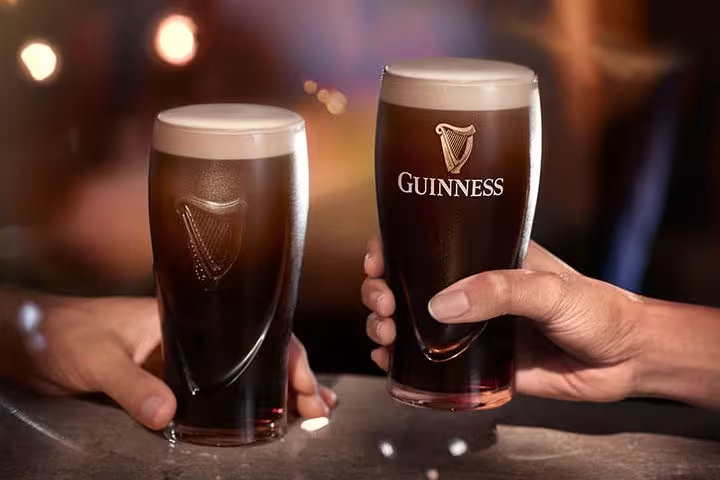
Guinness Draught – Guinness Brewery
Guinness Draught is the pint people picture when they hear “Irish beer.” It’s not heavy, it’s not syrupy, and it’s not trying to be loud. The magic is the texture: that creamy head and soft body that makes roasted flavor feel smooth instead of sharp. If you’re building a baseline for Irish stouts, this is it.
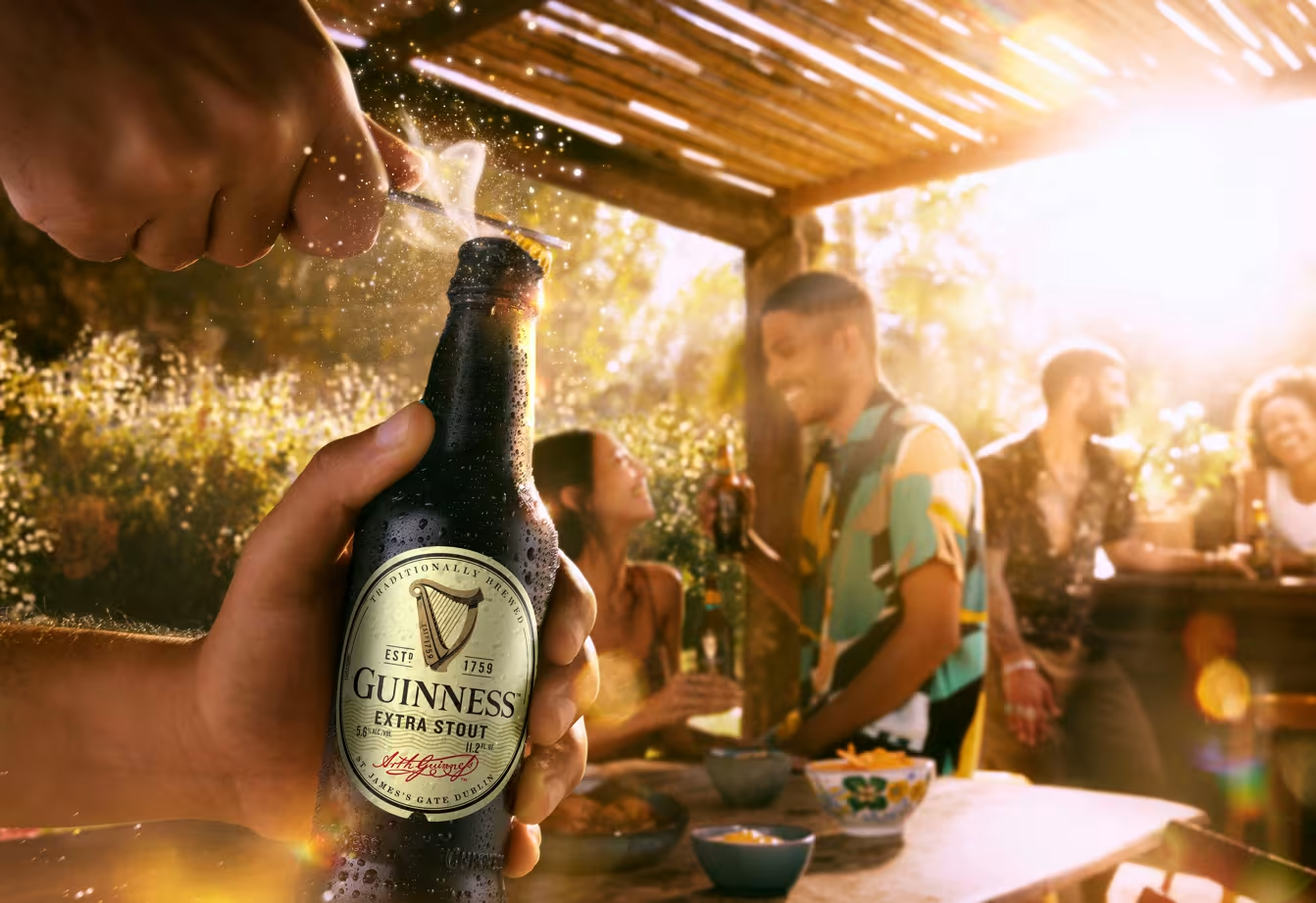
Guinness Extra Stout – Guinness Brewery
Extra Stout is Guinness with its shoulders squared. It keeps that familiar roast-and-cocoa DNA, but the edges are firmer, and the flavor feels more direct. This is the Guinness for people who want their stout to bite back a little. If Draught is comfort, Extra Stout is confidence.
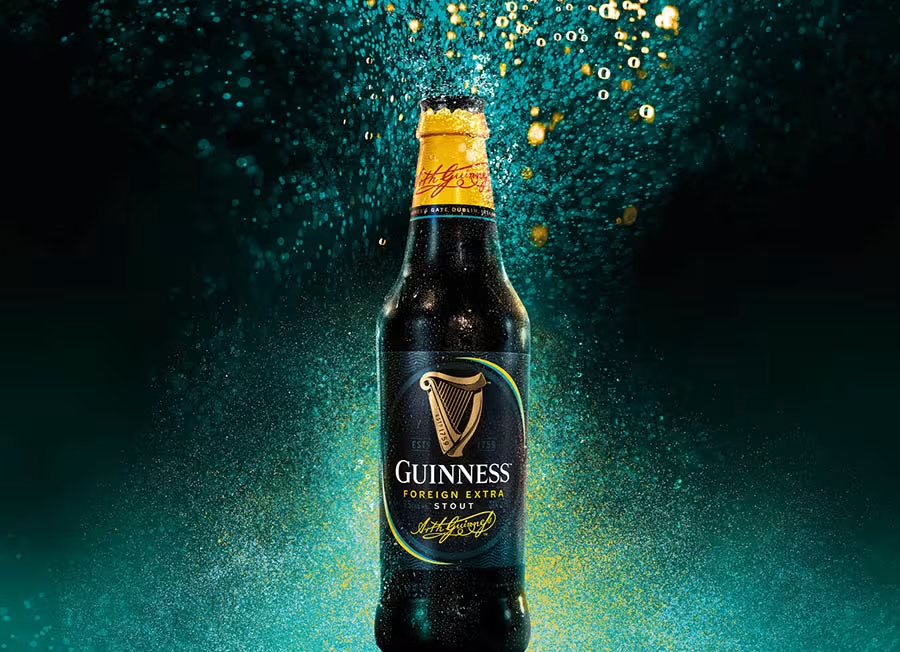
Guinness Foreign Extra Stout – Guinness Brewery
Foreign Extra Stout is the bigger, darker cousin that doesn’t apologize. It tastes richer and more intense, with a deeper malt core and a warming strength that changes how you drink it. This is the Guinness you sip instead of crushing. It’s also a reminder that Irish beer grew through export, not just pub culture.
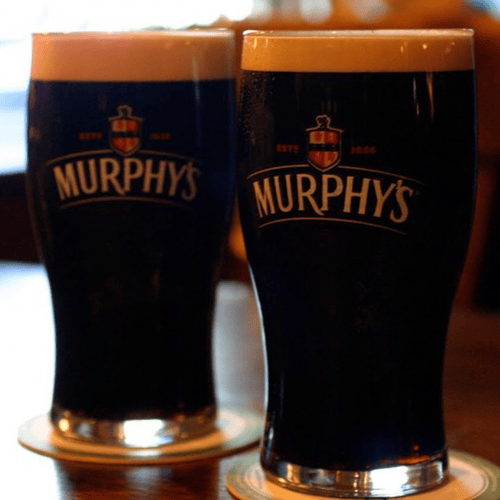
Murphy’s Irish Stout – Murphy’s Brewery
Murphy’s is the stout you hand to someone who says, “I want an Irish stout, but I’m not sure about Guinness.” It’s smooth, soft, and easy to settle into, with a roast that feels rounded instead of sharp. The vibe is cozy, not aggressive. If Guinness is the headline, Murphy’s is the sleeper favorite.

Beamish Irish Stout – Beamish & Crawford
Beamish feels like it belongs to the pub, not a tasting flight. It has a toastier roast edge and a grounded, old-school stout personality that makes you want another sip fast. It’s not fancy, it’s not trying to be. It is a proper “regular’s pint” stout that is emblematic of the city of Cork.
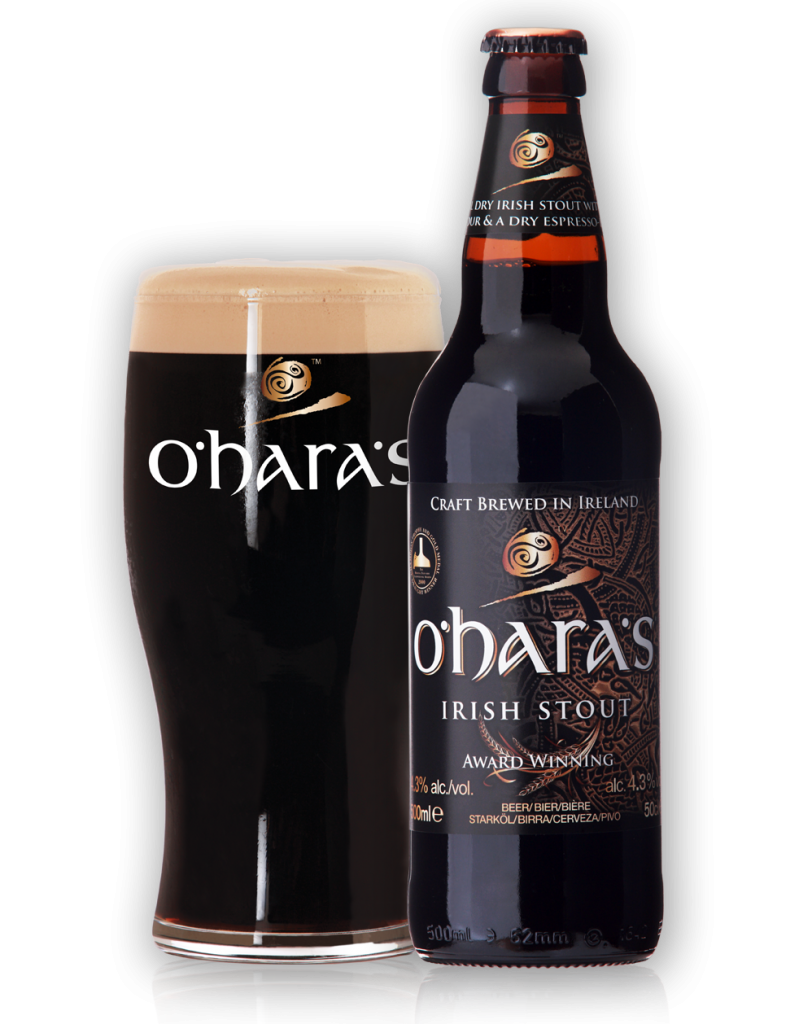
O’Hara’s Irish Stout – Carlow Brewing Company
O’Hara’s Irish Stout is what you pour when you want a craft stout that still respects the old rules. It has structure, clarity, and a roast profile that feels intentional, not muddy. The flavor is clean enough to show detail, but still familiar enough to feel Irish. It’s a tradition, with better lighting.
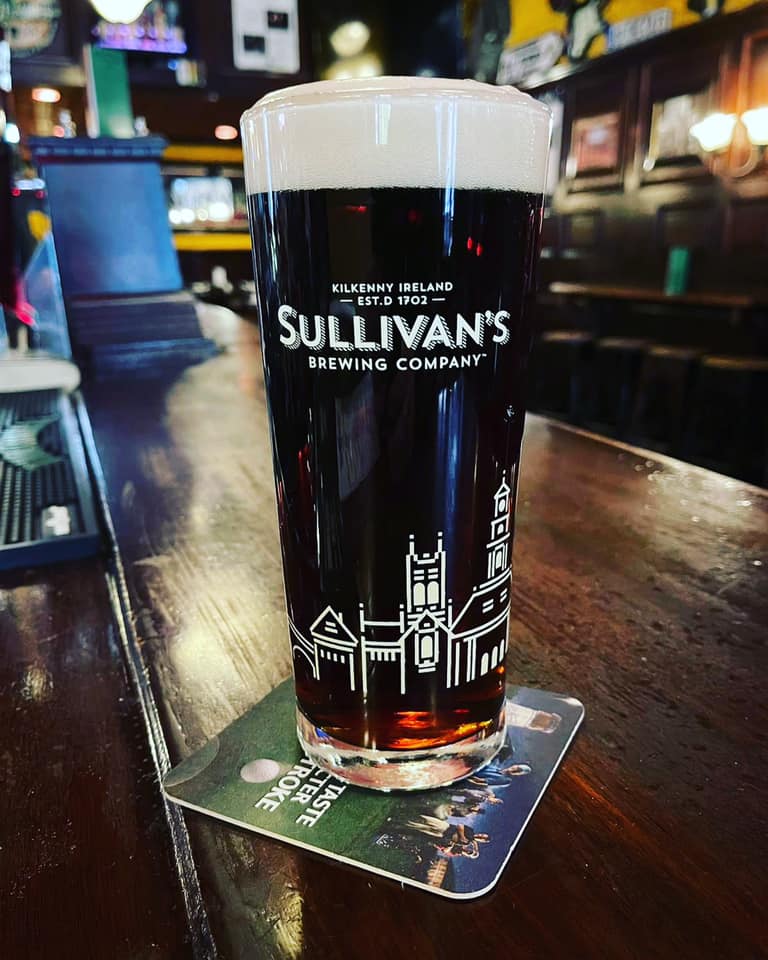
Sullivan’s Black Marble Stout – Sullivan’s Brewing Company
Black Marble Stout is what happens when a traditional Irish dry stout gets just enough modern polish to stand out without losing its roots. It leans into classic roast and coffee notes, but there’s a subtle fruitiness underneath that keeps it from feeling one-dimensional. The nitro version, in particular, delivers that creamy, cascading pour you want from an Irish stout, with a smooth body that stays easy to drink.
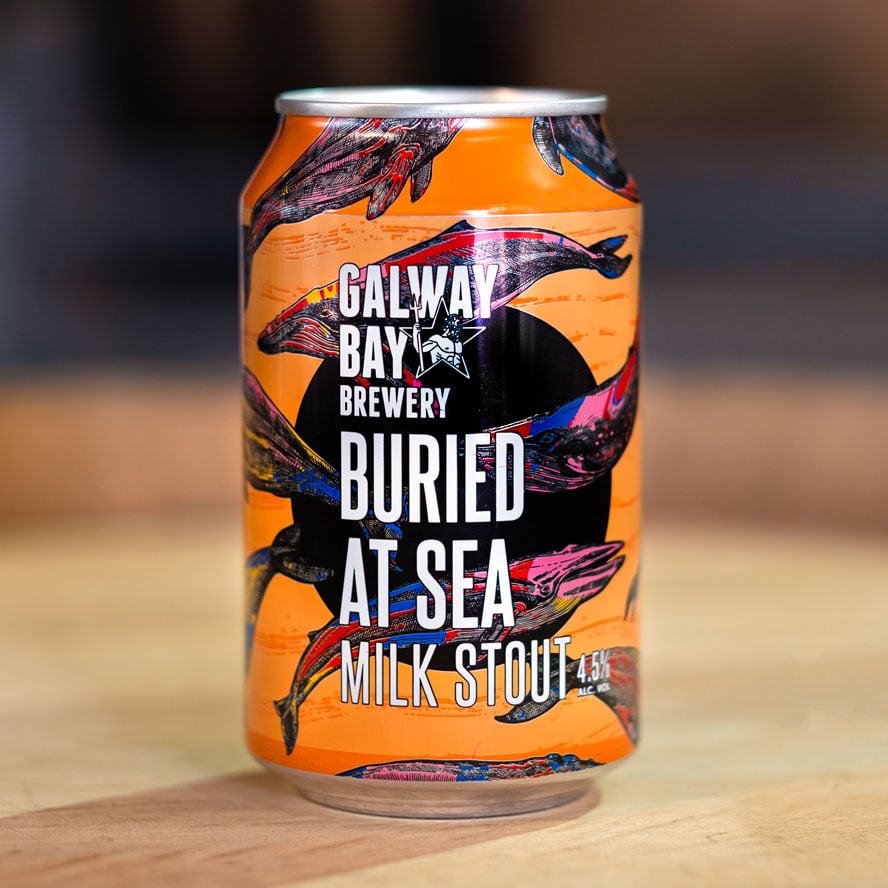
Buried at Sea Milk Stout – Galway Bay Brewery
Buried at Sea is the stout for people who want chocolate without harsh roast. It’s smoother, sweeter, and built like a dessert that still counts as a beer. You get richness, but it stays drinkable. This is the modern Irish craft answer to “stout doesn’t have to be dry.”
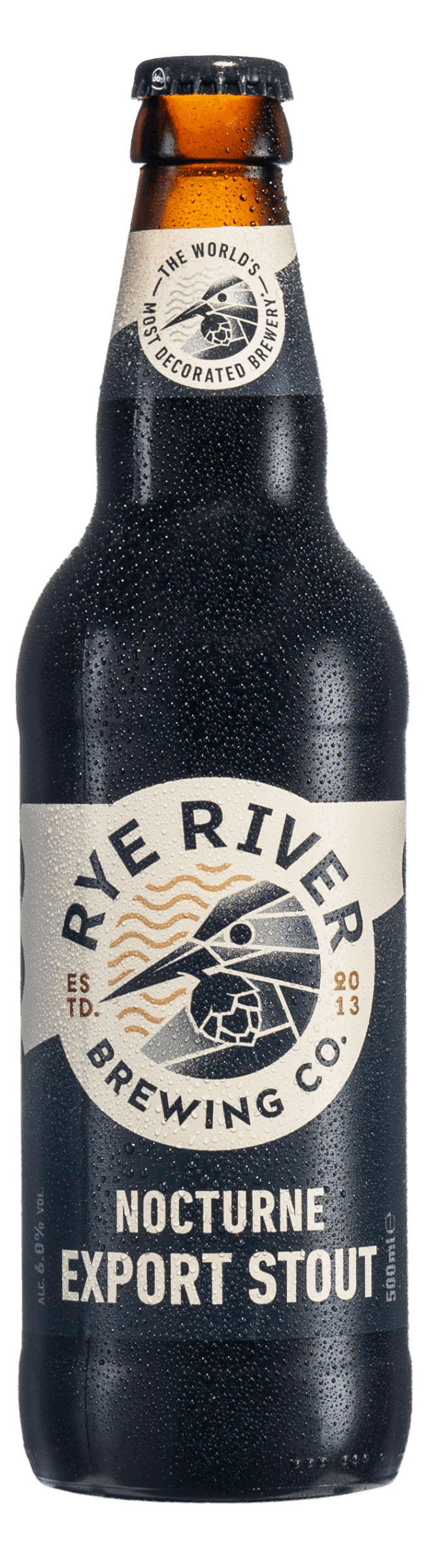
Nocturne Export Stout – Rye River Brewing Company
Nocturne is a “sit down and pay attention” stout. It’s richer than a classic dry stout, with a deeper body and a more layered dark-malt profile. The roast is still there, but it’s supported by a fuller, export-style build. If you want an Irish stout with a modern twist and more intensity, this is a strong pick.
Reds, Lagers, and Easy Pints
Not every Irish beer needs to be dark to feel authentic. The focus here is all about pint-friendly comfort: toasted malt reds, crisp lagers, and easy-drinking picks that disappear fast at parties. If you want “Irish” flavor with zero heaviness, start here.
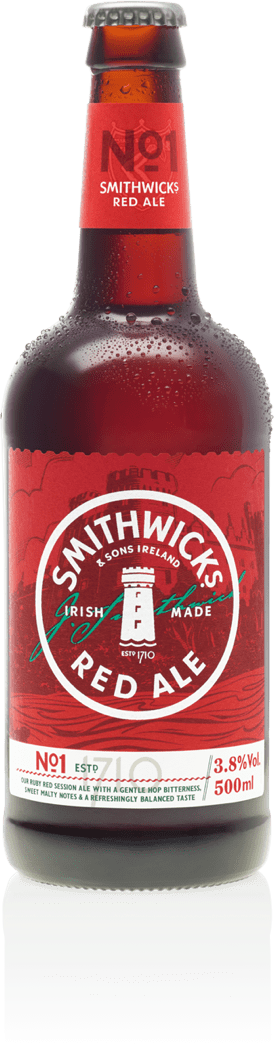
Smithwick’s Red Ale – Guinness Brewery
Smithwick’s is the beer you pour when you want “Irish” without going dark. It tastes like toasted malt and light caramel, with bitterness kept low so it stays easy. This is the red ale that made the style feel like a pub staple instead of a niche. If you’re building an Irish beer rotation, Smithwick’s is a must. While Guinness acquired Smithwick in 1965, the brand has maintained its own identity.
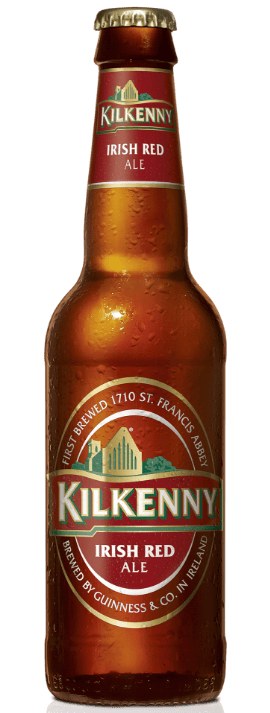
Kilkenny – Guinness Brewery
Kilkenny drinks like the creamier, slightly more grown-up cousin of the classic Irish red. It carries that same toasted malt lane, but the pour often feels smoother, and the body feels softer, especially when served with nitro. While it is marketed as an Irish red ale, technically, it is an Irish cream ale, carrying a fuller body and smoother flavor.
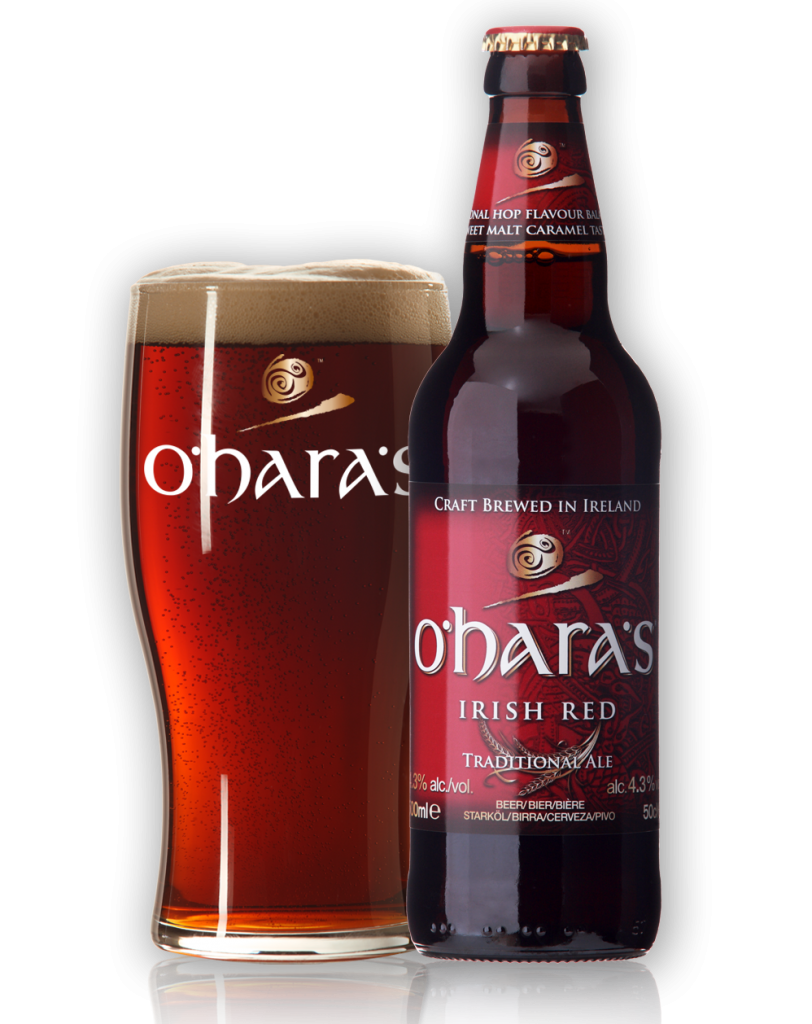
O’Hara’s Irish Red – Carlow Brewing Company
O’Hara’s Irish Red takes the red ale idea and sharpens the picture. The toast and caramel notes are more pronounced, the finish is cleaner, and the overall beer feels more deliberate.
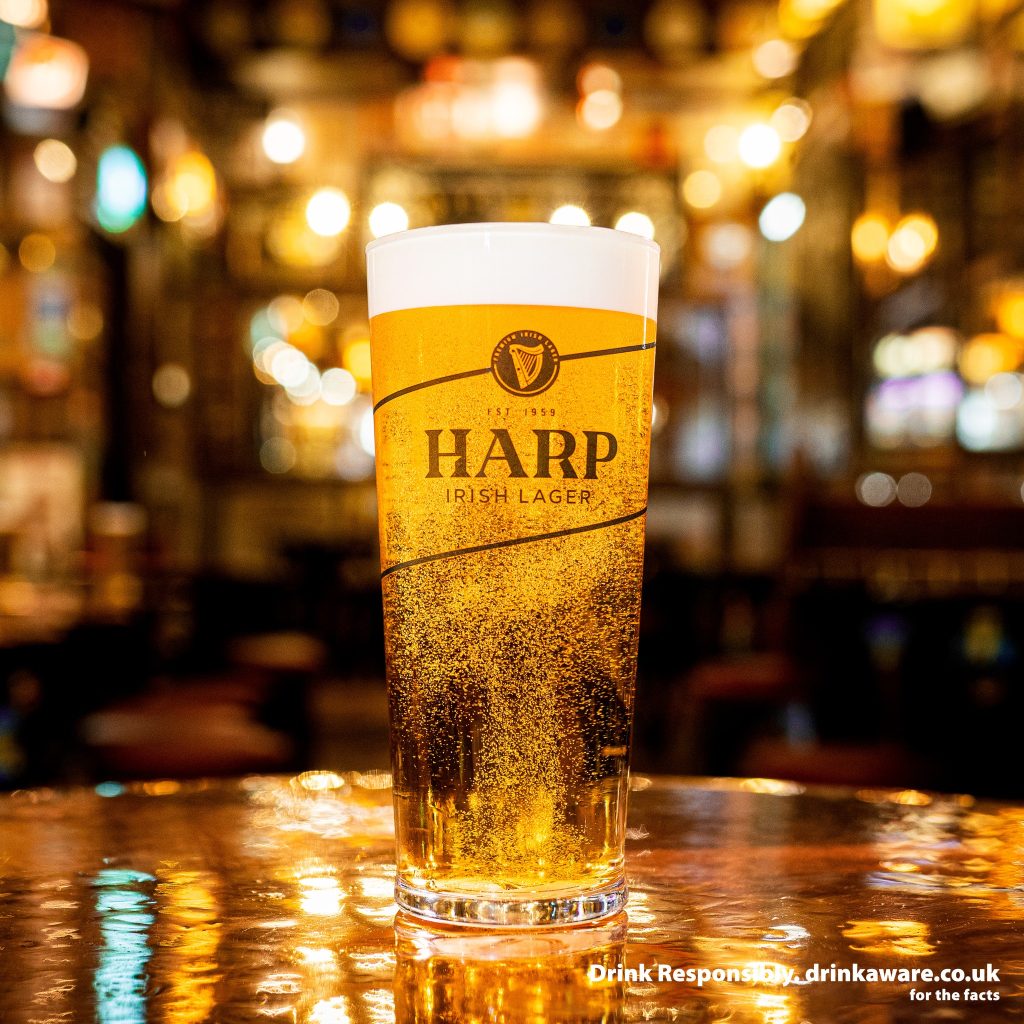
Harp Lager – Guinness Brewery
Harp is a clean, crisp lager built for easy pints and big groups. Availability note: it’s far easier to find in Northern Ireland and export markets than it is across much of the Republic of Ireland, so treat it as a “grab it when you spot it” pick, not a guaranteed staple.
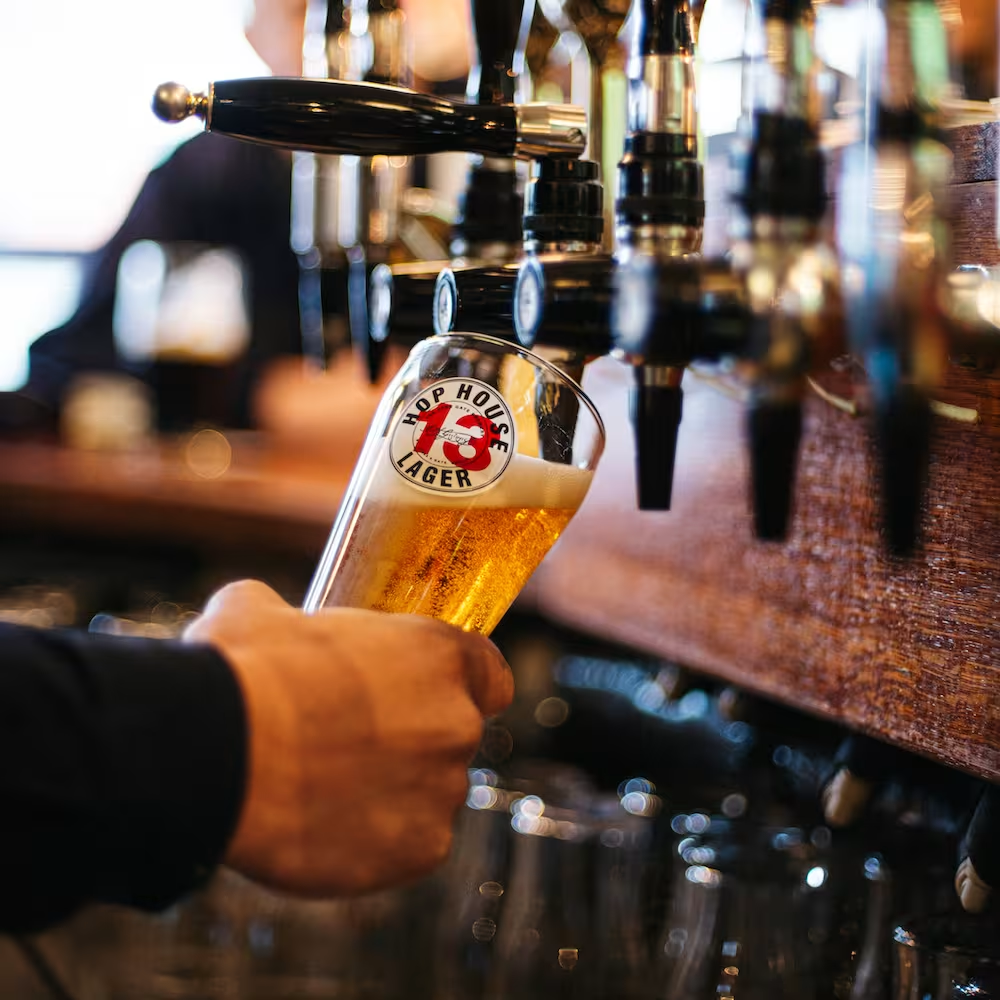
Guinness Hop House 13 – Guinness Brewery
Hop House 13 is Guinness reminding you they can do more than stout, and you can taste that mindset at the Guinness Open Gate Brewery. It’s bright, clean, and more flavorful than a basic lager without turning into a hop bomb. It keeps the pub-friendly personality that Irish beer is known for, just in a lighter color. This one is useful when you want to keep the Guinness name on the table for non-stout drinkers.
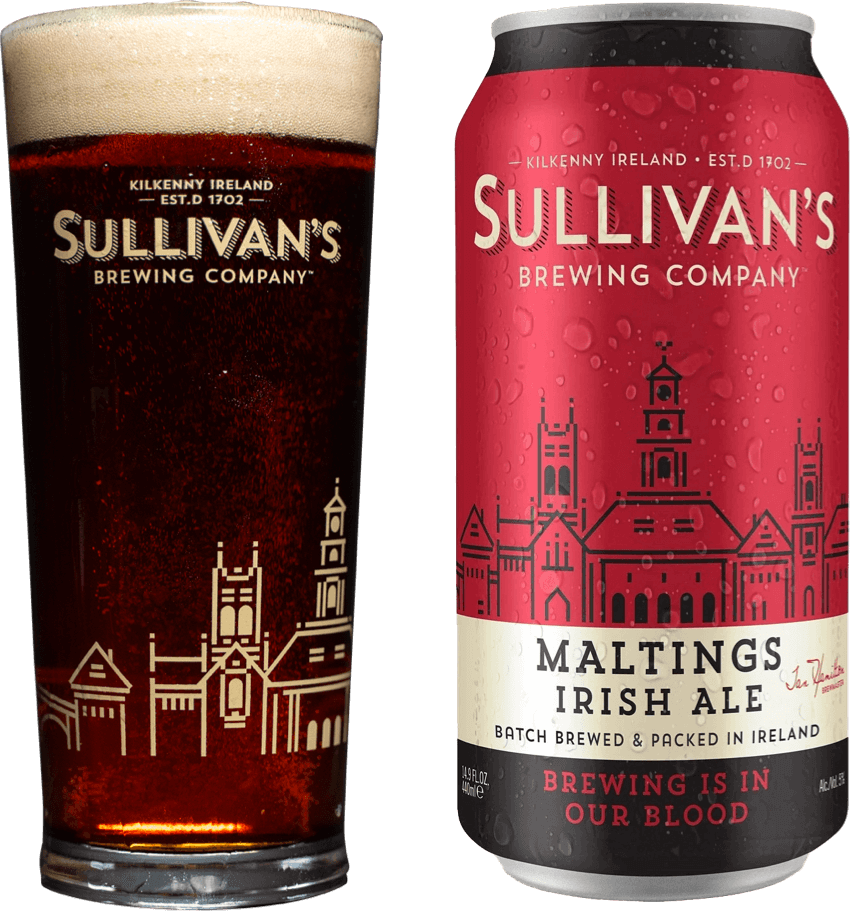
Sullivan’s Maltings Irish Ale – Sullivan’s Brewing Company
If you want the Irish red vibe but Smithwick’s is nowhere to be found, Sullivan’s is an easy pivot. It stays in that same pub-friendly pocket, but it leans a little richer and more “bready” with biscuit-and-caramel malt notes. It drinks like a real pint of beer: flavorful, calm, and built for another round.
Modern Irish Craft, Pale Ales, and IPAs
This is where Irish brewing gets playful: brighter hops, cleaner finishes, and modern twists that prove Ireland isn’t stuck in a single stout-shaped area. If you like citrus, pine, and a little more snap in the glass, this section is your upgrade path. Of all the beers on this list, these ones will be the hardest to find, but also the most rewarding.
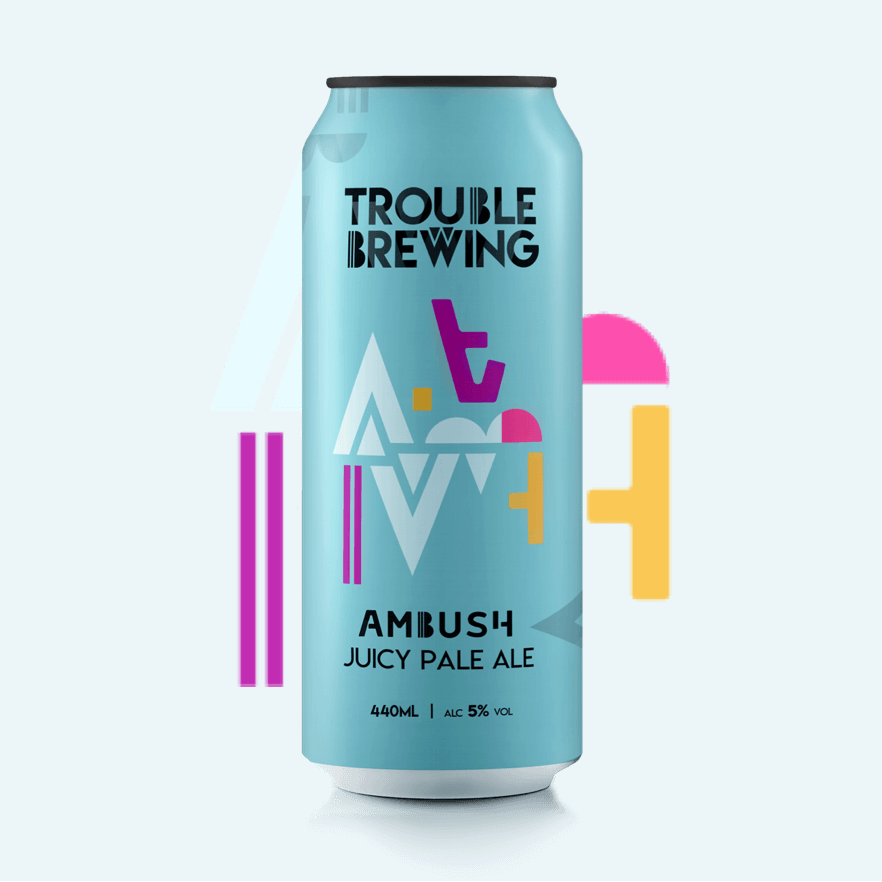
Trouble Brewing Ambush – Trouble Brewing
Ambush is the kind of modern Irish pale that makes people say, “Oh… I get it now.” It’s fruity, soft, and approachable, with hop flavor that feels juicy instead of harsh. This is craft beer built for repeat pours, not palate fatigue. It is a clean example of the rise of Irish craft beer doing its own thing.
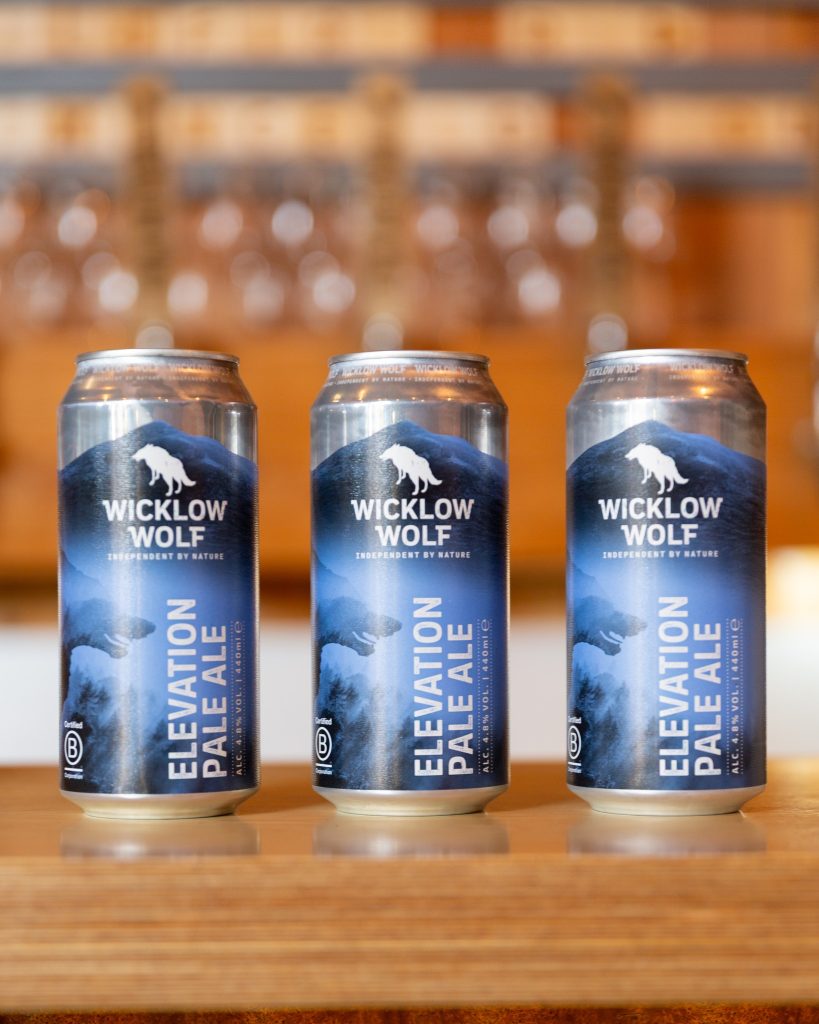
Wicklow Wolf Elevation Pale Ale – Wicklow Wolf Brewing Company
Elevation Pale Ale is one of the clearest examples of how modern Irish brewing has evolved without losing its pint-friendly roots. It leans into citrus and tropical hop character, but everything is dialed in for balance. Nothing spikes too hard, nothing drags. It’s bright, clean, and built for repeat pours. It’s the kind of beer that works just as well at a table as it does in a tasting lineup.
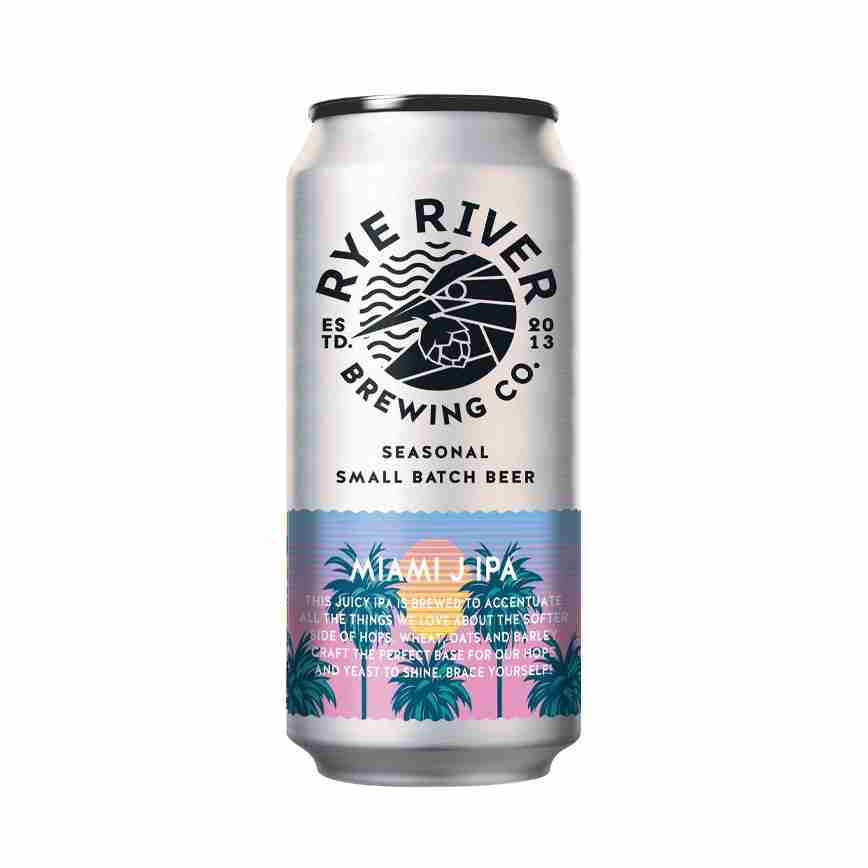
Rye River Miami J – Rye River Brewing Company
Miami J is modern IPA energy with a clean, polished build. It leans into tropical and citrus flavor, but it keeps enough structure so it doesn’t taste like hop juice and nothing else. This is the kind of beer that makes Ireland’s newer brewers feel like serious players. If you want a famous Irish craft IPA pick, this is a safe bet.
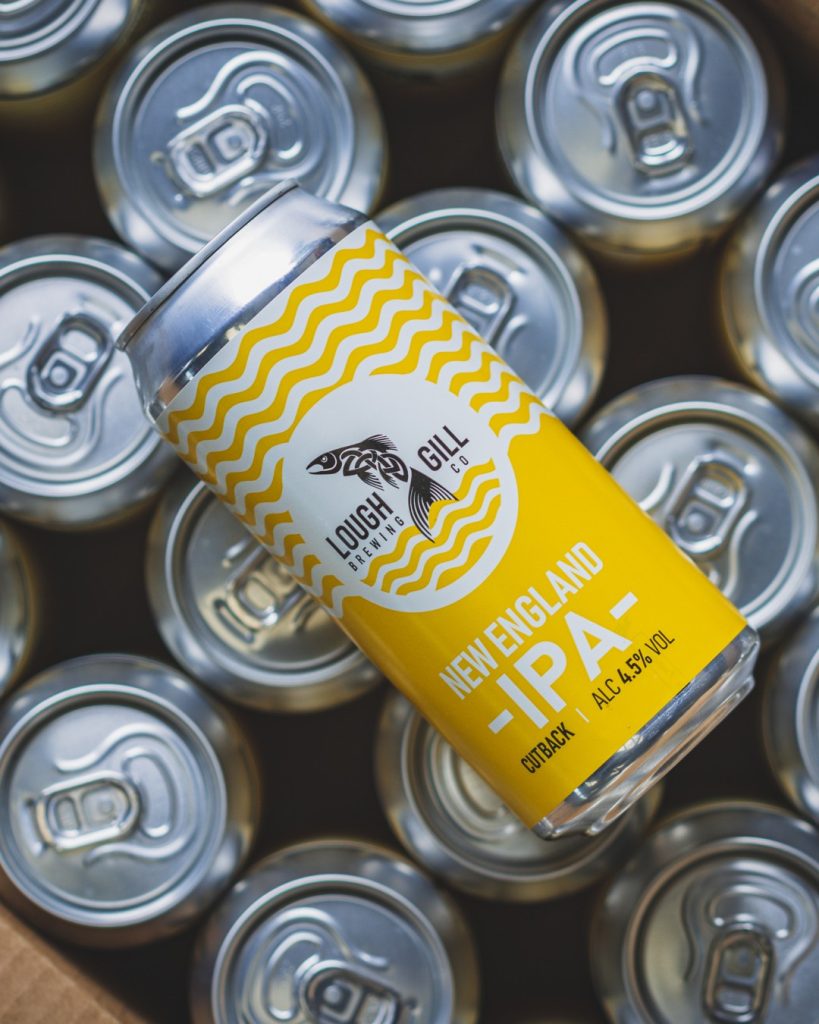
Cutback IPA – Lough Gill Brewery
Cutback IPA brings a slightly bolder edge to the Irish craft scene without losing the balance that defines the country’s best beers. It leans more into modern hazy hop expression than most Irish pale ales, with juicy citrus and tropical notes up front, but it still finishes clean enough to keep things drinkable.
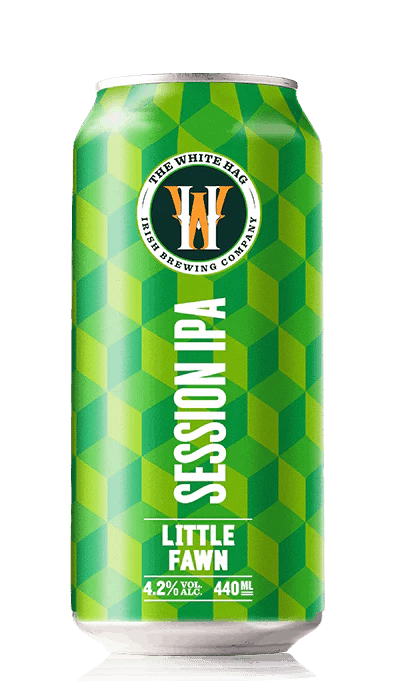
The White Hag Little Fawn – The White Hag Brewery
This is the easy, modern Irish pick for people who want hop flavor without getting bulldozed by bitterness. It drinks light, stays bright, and works in the exact situations where “best” means “everyone finishes their can.” If your table has stout loyalists, lager-only friends, and one IPA person, this is the peace treaty.
How to Choose the Right Irish Beer for You
Don’t overthink it. Start with what you actually feel like drinking, then use the list numbers to identify a beer you’ll enjoy in a heartbeat. Pick the mood first, and let the guide point you to the best match.
| If you want… | Start with these | What to expect |
| The classic Irish stout experience | Guinness Draught, then Burphey’s Irish Stout and Beamish Irish Stout | Creamy head, roast and cocoa, smooth finish |
| More bite and food power | Guinness Export Stout and Nocturne Export Stout | Firmer roast, stronger structure |
| “I don’t like bitter stout” stout | Buried at Sea Milk Stout | Chocolate, softer roast, sweeter finish |
| Malt flavor without roast | Smithwick’s Red Ale or O’Hara’s Irish Red | Toasted caramel-malt, gentle bitterness |
| The smooth, pub-friendly amber pint | Kilkenny | Creamier texture, slightly stronger red lane |
| Clean, crisp, easy pints | Harp or Hop House 13 | Refreshing, restrained, designed for repeat pours |
| Modern craft styles | Ambush by Trouble Brewing or Wicklow Wolf Elevation Pale Ale | Citrus/tropical hops with balance |
| Proper IPA energy | Rye River Miami J or Cutback IPA | Brighter hop intensity, better with food |
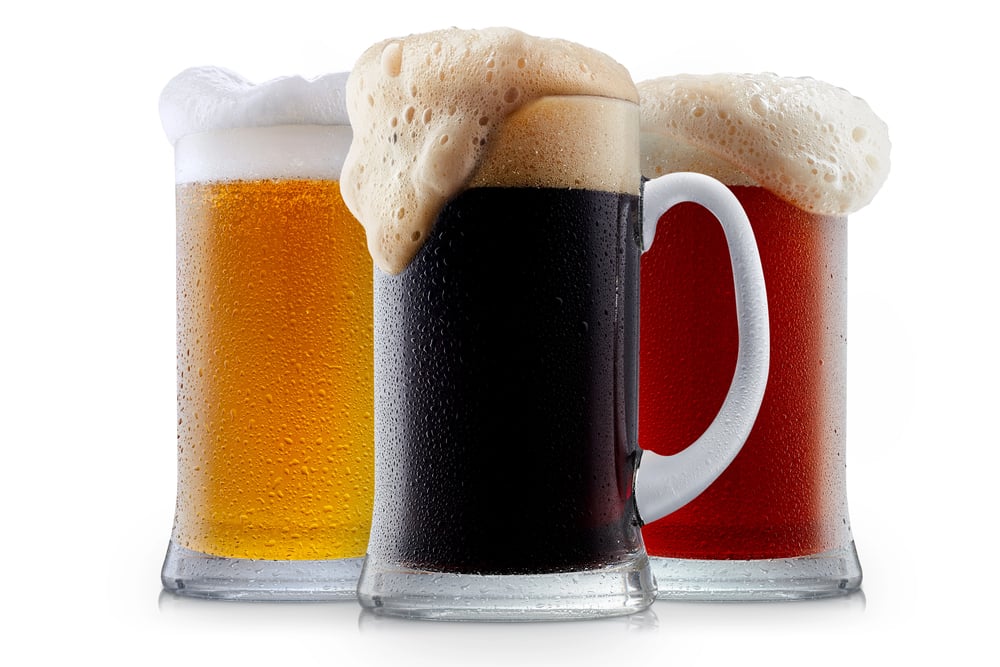
Essential Irish Beer Styles Every Drinker Should Know
Irish beer is often malt-led and pub-built. Even when it goes bold, it usually stays drinkable. These categories all fit the bill.
> Irish Stout
Irish stout beer is roast-forward but not as heavy as people assume. It often reads like coffee and cocoa, with a dry finish and a mild bitterness. A classic Irish stout leans on roasted barley, and when served on nitrogen, it becomes famous for that creamy texture and cascading pour.
> Irish Red Ale
Irish red beer is in the “flavor without shout” lane: toasted caramel-malt, gentle sweetness, soft bitterness, and a clean finish. It is a go-to for people who want character but do not want roast.
> Irish Lager
Irish lager beer is crisp, restrained, and pint-friendly. Fresh lager is not boring. It’s precise. It is built for conversation, watching sports, and another round.
> Irish Pale Ale and IPA
This is the modern craft lane: citrus, pine, tropical fruit, and sometimes more bitterness. These beers often compete directly with U.K. and U.S. hop-forward styles, but the best Irish versions keep a balanced body under the hops.
> Irish Porter and Modern Irish Dark Ales
Porters and “modern dark ales” often feel softer than stout: more chocolate and bread crust, less sharp roast bite. They are best enjoyed with food.
> Nitro vs Non-Nitro
Nitro changes texture more than flavor, and nitro pours tend to feel creamier, with a softer perceived bitterness and a smoother finish. Non-nitro versions show sharper edges: more direct roast, brighter carbonation, and a clearer bite.
Top Irish Beer Brands and What They’re Known For
Think of these as the “anchors” of famous Irish beer, plus the names that prove Ireland is known for much more than Guinness.
- Guinness (Dublin): the reference stout. The St. James’s Gate story is not marketing fluff. Arthur Guinness signed the famous 9,000-year lease in 1759, and Guinness grew into a world-defining stout producer.
- Murphy’s and Beamish (Cork): Cork stout culture is real. Murphy’s dates back to 1856, and Beamish’s Cork stout roots go back to 1792.
- Smithwick’s / Kilkenny (Now owned by Guinness): the red-ale lane that many people discover first. Smithwick’s was founded in 1710 in Kilkenny, and Kilkenny is closely related but typically presented as creamier and a bit more bitter.
- Modern craft leaders you’ll see exported: O’Hara’s (Carlow Brewing) is one of the most visible Irish craft names. Galway Bay Brewery and Rye River are big signals of Ireland’s modern brewing strength, with stouts and hop-forward beers that travel well.
Also worth knowing: Guinness runs an experimental program through Guinness Open Gate Brewery in Dublin, where the point is new styles and modern twists, and deviations from their traditional Irish dry stout roots.
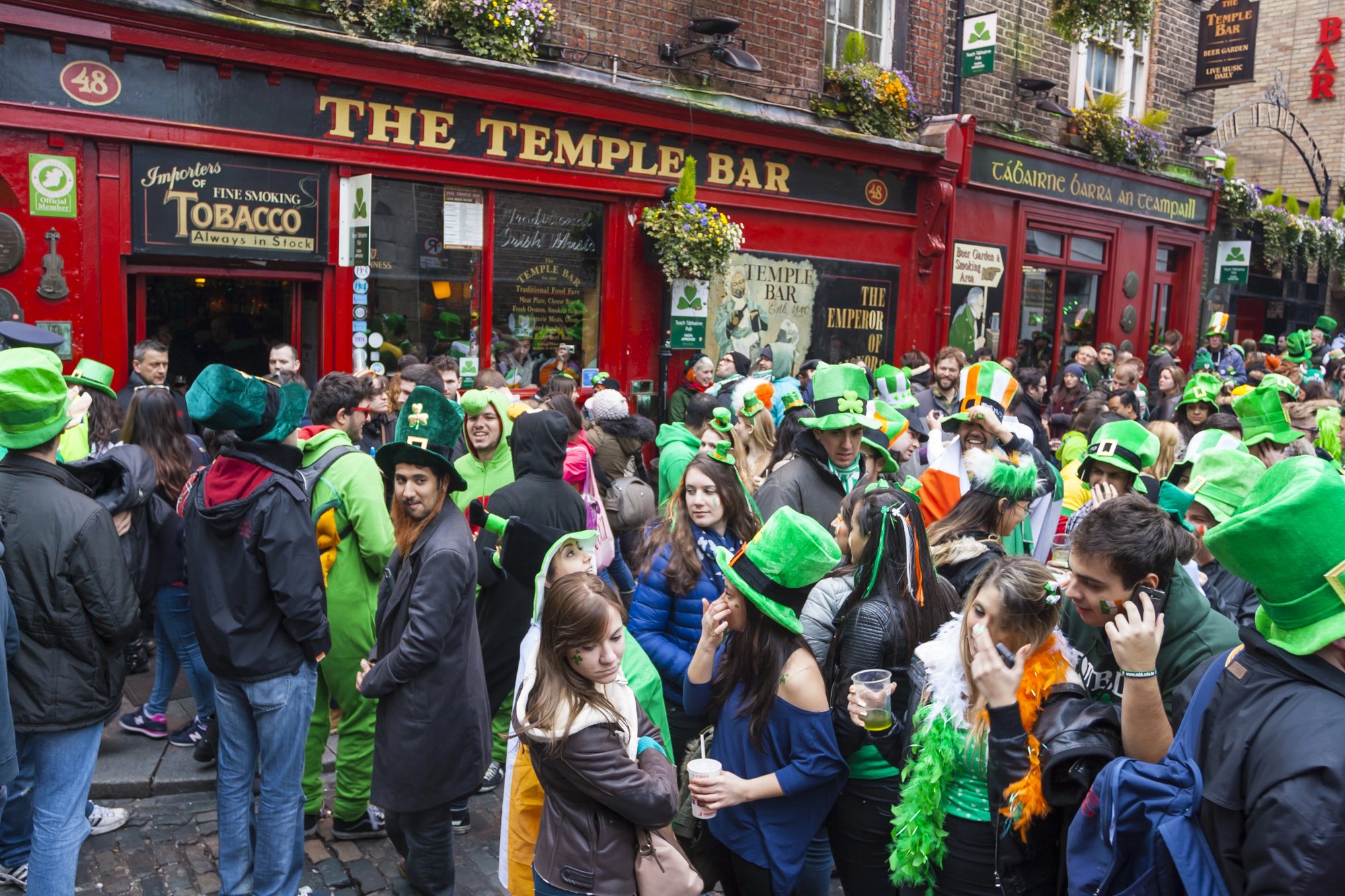
Irish Beer Selections for St. Patrick’s Day
Treat this like stocking a fridge that everyone will want to pull from. If you want the safest bets with the fewest complaints, consider:
- One nitro stout (classic experience)
- One Irish red ale (more flavor, but a safe choice)
- One clean lager (easy, fast, refillable)
This gives you dark, amber, and gold. Everyone has a lane.
Food Table Pairing
If you’re building a St. Patrick’s Day spread, or just putting together a solid beer-and-food lineup, Irish beer is built for this kind of meal.
- Stout is your go-to for corned beef, burgers, roast meats, and anything with char or grilled edges. The roasted malt and slight bitterness cut through fat and bring out deeper flavors.
- Irish red ale works best with cheddar, roast chicken, shepherd’s pie, and other savory dishes. Its toasty caramel malt adds richness without overpowering the food.
- Irish lager is the easy win for fried food, chips, wings, and salty snacks. Clean, crisp, and refreshing, it resets your palate between bites.
Craft Table
If your friends like trying unique beers:
- Add one juicy pale ale, such as Wicklow Wolf Elevation Pale Ale.
- Add one modern stout with chocolate or lactose for a dessert pairing, such as Buried at Sea Milk Stout by Galway Bay Brewery.
- Add one IPA for spice, grilled meat, and hop lovers, such at Lough Gill’s Cutback IPA.
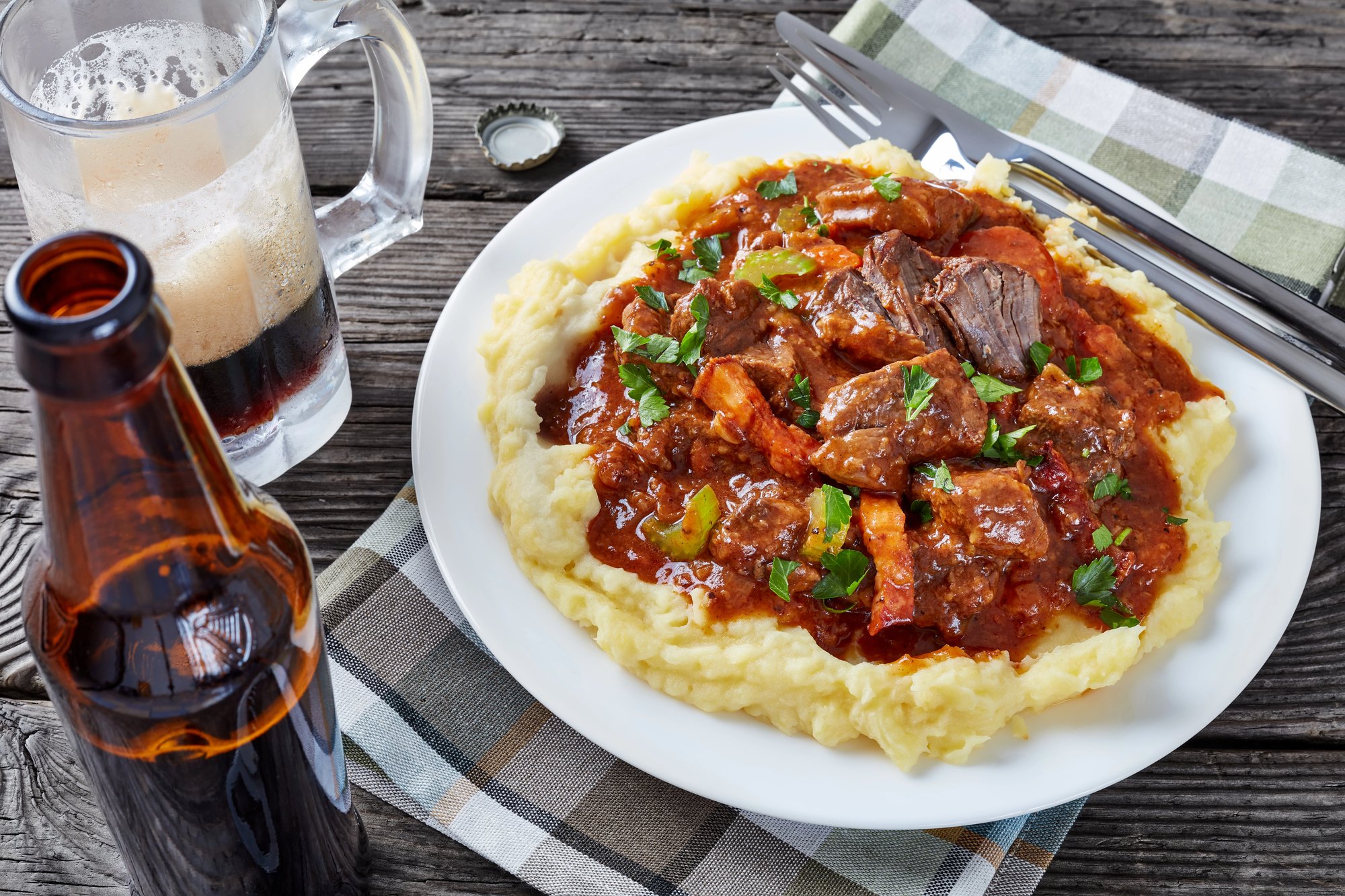
Serving and Pairing Irish Beer
Now that you’ve picked your beers, the only thing left is making them taste their best without turning it into a project. A couple of simple serving choices, starting with the right glass, will do more than any fancy “pairing rules.”
Glassware (Quick and Practical):
- Stout: a pint glass is perfect. The goal is head retention and aroma, not fancy shapes.
- Red ale: pint glass or nonic pint. Reds benefit from a little space for malt aroma.
- Lager: pilsner glass if you have it, but a clean pint glass is fine.
- IPA/pale: a tulip glass is nice, but not required.
Temperature (Easy rule):
- Lager: cold.
- Red ale: cool, not ice-cold.
- Stronger stout/export stout: cool cellar range, so the chocolate and coffee notes show.
Pairing Hits That Always Work:
- Stout + oysters, burgers, grilled meat, and chocolate desserts.
- Red ale + roast chicken, cheddar, shepherd’s pie.
- Lager + fries, wings, salty snacks.
- IPA + spicy food, grilled meats, sharp sauces.
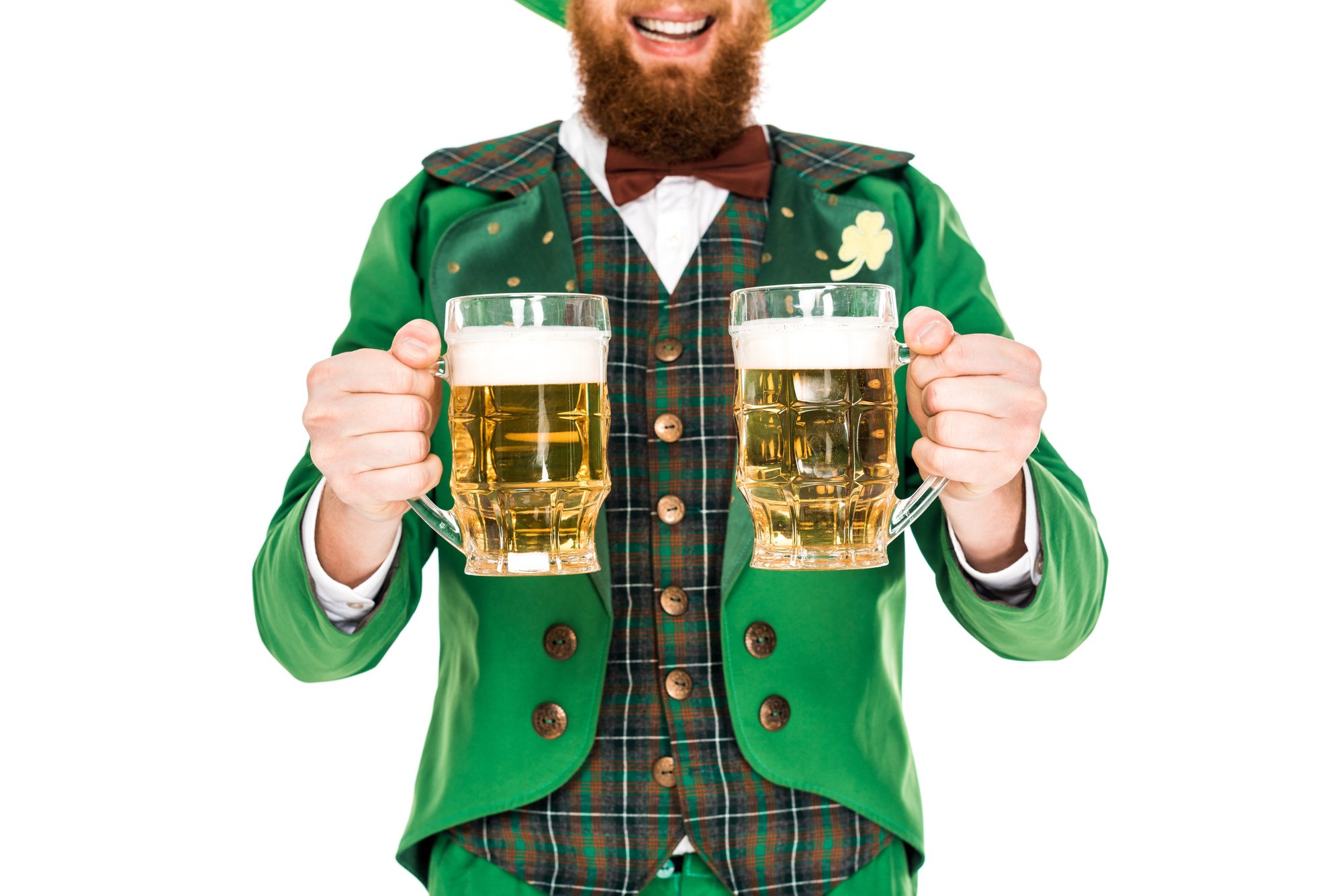
The Luck of the Irish Beer
Irish beer lands best when you treat it like a rotation, not a ranking. Start with the classics: one Irish stout beer you can’t miss for that creamy nitro comfort, one Irish red beer for toasted malt flavor without roast, and one Irish lager beer for crisp, easy pints.
Then use the craft picks to widen your “go-tos” with a modern twist, especially if you like citrusy hops or chocolate-leaning dark ales. The point of this list is simple: help you buy with confidence, pour the right beer for the right moment, and keep your fridge stocked with Irish beers you will actually finish, not just talk about.
Frequently Asked Questions
Photos Courtesy Respective Breweries



Comments 0
No Readers' Pick yet.