



The Art of Beer Label Design: Why Branding Matters for Craft Breweries
 Story by:
Bil Corcoran
Story by:
Bil Corcoran
Introduction
When you walk into a craft beer shop or browse the shelves at your local supermarket, what catches your eye first? It’s not the taste, aroma, or brewing technique—you haven’t experienced those yet. It’s the label. Beer labels are more than just decorative stickers; they are powerful branding tools that shape consumer perception and influence purchasing decisions. In this article, we’ll explore why beer label design matters, the psychology behind branding, and practical tips for creating a label that stands out.
Why Beer Labels Matter
The craft beer industry is booming, with 9,000+ breweries competing for attention. In such a crowded market, your label is often the first—and sometimes only—chance to make an impression. Studies show that visual appeal accounts for up to 70% of initial purchase decisions in beverage products. A well-designed label can:
Communicate brand identity: Is your beer adventurous, traditional, or playful? Your label should reflect that personality.
Create emotional connections: Colors, fonts, and imagery evoke feelings that influence buying behavior.
Build trust and recognition: Consistent branding across products fosters loyalty and makes your beer easy to spot.
The Psychology of Beer Branding
Branding isn’t just about aesthetics; it taps into consumer psychology. Here are three key factors that influence perception:
1. Color Psychology
Colors carry meaning. For example:
Gold and amber tones suggest premium quality and tradition.
Bright, bold colors convey fun and creativity—perfect for fruity IPAs or experimental brews.
Dark hues like black or deep green evoke sophistication and strength, ideal for stouts or porters.
2. Typography and Fonts
Fonts tell a story. A serif font might suggest heritage and craftsmanship, while a modern sans-serif font feels sleek and contemporary. Handwritten styles can add a personal, artisanal touch.
3. Imagery and Icons
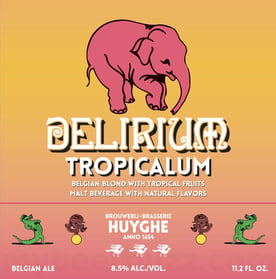
Visual elements like hops, mountains, or abstract art can signal flavor profiles, origin, or brand ethos. Minimalist designs often appeal to premium markets, while quirky illustrations attract adventurous drinkers.
Essential Elements of a Beer Label
A successful beer label balances creativity with compliance. Here’s what you need to include:
Brand Name and Logo: The centerpiece of your design.
Beer Style and ABV: Consumers want clarity—IPA, lager, stout, etc.
Volume and Legal Information: Mandatory details like government warnings and barcode.
Storytelling: A short description or tagline can make your beer memorable.
Design Tips for Standout Labels
1. Know Your Audience
Are you targeting craft beer enthusiasts, casual drinkers, or premium connoisseurs? Your design should resonate with their preferences.
2. Keep It Consistent
If you have multiple beers, maintain a cohesive look across your range. This builds brand recognition.
3. Invest in Quality Printing
High-quality materials and finishes—like matte, gloss, or foil—can elevate your label and make it feel premium.
4. Test Before You Launch
Mock up your label and place it on a bottle or can. Does it stand out on a crowded shelf? Does it align with your brand story?
How Branding Shapes Perception
Branding doesn’t just influence what people buy—it shapes how they experience the product. A well-designed label can make a beer feel more flavorful, premium, or adventurous. In fact, research shows that consumers often rate the same beer differently based on packaging alone. This means your label isn’t just marketing—it’s part of the drinking experience.
Final Thoughts
Designing the perfect beer label is both an art and a science. It requires understanding your brand, your audience, and the psychology of design. A great label doesn’t just attract attention—it tells a story, builds trust, and enhances the overall perception of your beer.
So, next time you’re brainstorming your label design, remember: you’re not just creating a sticker—you’re crafting an identity.
[Editor’s Note]: To see all of my latest beer label posts, click here.
zzubreebym


Comments 0
No Readers' Pick yet.