




How To Have An Unforgettable Wine Tour
 Story by:
Bil Corcoran
Story by:
Bil Corcoran
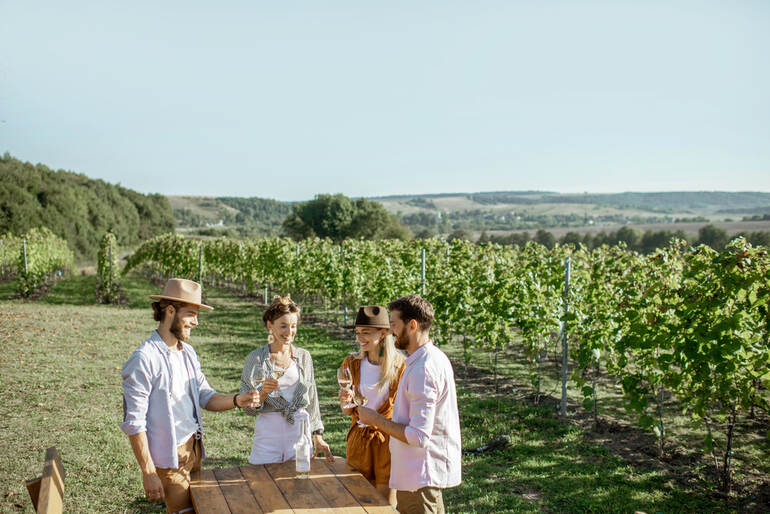
The wine tours unite individuals based on the time spent together in places, in craftmanship, and in relaxed pleasures. Taking a stroll across sun-lit vineyards, sampling carefully made wines, and enjoying good company helps to build an environment that is more of an experience as opposed to a transactional experience. These events resonate with individuals who want to know more about the process and stories of drinks, an interest that is spread throughout the thrust of the craft beverage industry.
The increased popularity of wine tourism demonstrates a larger migration towards experience-based visits. As the market is expected to reach 46.5 billion in 2023 and 160.7 billion in 2033, the trend in terms of travelling has shifted to more destinations where there is direct contact with the producer and a sense of belonging to the product. This trend is further manifested through U.S. buyers being at the forefront in buying fine wine in late 2024. It applies to the readers who have already experienced the visit to a brewery and a taproom culture: the atmosphere, authenticity, and shared experiences are what make the mere tasting something really memorable.
Pick The Right Region
The place you select matters a lot in building your wine tour. The choices may seem daunting with endless numbers of vineyards across the nations and climates, particularly when the first time visitors attend. However, it is always a good idea to speak to yourself and define what you are seeking so you can make a narrow search into a narrow and fun plan.
Take into account what kind of atmosphere is the most appealing to you. Some areas are calm and where the family estate is owned, giving a visit a personal and relaxed experience, and others that have a bustling tasting room, with a great variety of wines and a constant stream of visitors. Popular spots like Napa Valley provide refined, tourism-friendly experiences, and minor areas reward travelers who like to explore and experience local flavor. Those who are accustomed to visiting various beer locations will appreciate the power of place in determining the speed and the character of a tasting event.
Nevertheless, it will be a costly journey. California boasts of a pocket-friendly hidden gem that can give the same rustic wine tasting experience Napa does, at a fraction of the price. It is the Lodi drum rolls, please place in San Joaquin County.
Sonoma is less serious and more welcoming. The centuries of European winemaking tradition are introduced to the table in European locations such as Tuscany and Bordeaux.
You should not ignore the smaller locations that are producing some really fantastic wine! Nations such as Croatia, Greece, and South Africa are surprises.
The wine in Croatia is exclusive, and the Greeks have the refreshing Assyrtiko. South Africa is a perfect destination when one wants something different, but an inebriating cocktail with breathtaking views andthe best wine.
Plan Your Transportation In Advance
Wine tasting and operating do not go well together, so transportation needs to be planned as a major component of a tour. Having a clear plan is also useful to maintain focus on the experience instead of being concerned with logistics. Most tourists hire drivers around or make sure to book private tours where transport is provided end to end, or they join other tours and tours take care of transportation. These alternatives will enable all people to unwind and enjoy the day.
Ride-sharing apps can be a convenient option when it comes to going back to the accommodation, but it is worth taking care, particularly when it comes to individual travelers. Some of the recent news reports included safety-related issues, such as the lawsuits filed against leading ride-sharing companies, numbering thousands of sexual assault cases, as reported by TorHoerman Law. In the unfortunate incident, the call to an Uber sexual assault lawyer can assist the victim in knowing what to do and get the necessary help and compensation. To be on the safe side, the safest options that one can take are safer alternatives like pre-arranged car service, hotel shuttle, or trusted group tours. The tourists who are already conversant with the brewery tours will understand that the success of the tour is not to be remembered due to the risks that are not necessary.
Book Tastings Ahead Of Time
Touring wineries is no longer regarded as a walk-in event, and it is common to see most of the estates receiving visitors by appointment only. This is particularly prevalent within smaller producers that specialize in limited releases and curated tastings, which is also observed among breweries and the Brewers specializing in guided, small-batch tastings. During periods of high demand, locations tend to book their tours many months ahead of time and plan their tours early on to have a smooth and productive wine tour.
Booking a hotel can be a more fulfilling experience. Tasting tours, tours of the kitchen, or interviews with those who make the wines can be arranged in advance. Those who read this article who have experience in making reservations ahead of an organized tasting session at a brewery will be able to see how planning enhances the attention and room organized by the venue. Doing some research on the wineries, checking the availability of wine, and making a reservation are all great ways to make the itinerary more seamless and to make the experience feel more purposeful than time-pressed.
Pace Yourself And Stay Hydrated
Since most wine tours involve hours on your feet, walking vineyard rows, cellar floors, and tasting rooms, wearing the best walking shoes can make a noticeable difference in comfort and energy levels throughout the day.
Wine tours aren’t drinking competitions, though some people seem to forget this fact. Visiting four or five wineries means tasting twenty or more wines throughout the day. That adds up quickly. Professional tasters use spit buckets for good reason. They need to evaluate wines without getting intoxicated.
The tasting experience includes the use of spit buckets, and one has no reason to avoid them. The impressions of flavor are registered on the palate in a few seconds, and one does not need to pour out the whole glass in order to enjoy the wine. It is also important to keep hydrated during the day. Alcohol also causes dehydration of the body, and this influences the taste sense and eventually leads to a headache and fatigue in the future.
Water in between tastings will cleanse the palate and also will maintain the balance between one store and another. The hydration also aids inthe breakdown of the alcohol by the body, hence making the experience more comfortable all in all. A combination of filling meals or snacks with tastings also provides additional balance and slows down the efficient intake of alcohol, and keeps energy levels normal. People who are used to organized tasting settings, such as brewery tours, will comprehend the importance of pacing, hydration, and food in making the most out of every single stop without being overloaded.
Cheers To New Experiences!
Each wine tour is a unique experience that depends on the personalities on the wine tour and the things found along the way. It does not have to be preoccupied with technicalities unless it is contributing to the fun. Laughter with people, beautiful scenery, and the slow-moving speed of the day remain some of the best memories that some people have.
Fundamentally, wine opens up a place to socialize and engage, visiting for a mere visit. Such an attitude is common with any person who enjoys sitting around a well-made beverage in a friendly environment. Travelling to unfamiliar locations, being receptive to the adventure, and living in the moment without analysing the situation will ensure that every tour leaves a lasting impression, which will always be remembered even after the last glass.



Comments 0
No Readers' Pick yet.