






How Beer Built Civilizations: The Role of Beer in Ancient Economies, Religion, and Daily Life
 Story by:
Bil Corcoran
Story by:
Bil Corcoran
Beer is often seen today as a social drink, a way to unwind or celebrate. But thousands of years ago, beer was far more than a beverage—it was a foundation of civilization. From fueling economies to shaping spiritual practices, beer played a pivotal role in the development of human societies. Its influence can be traced through agriculture, trade, religion, and even health.
Beer as an Economic Engine
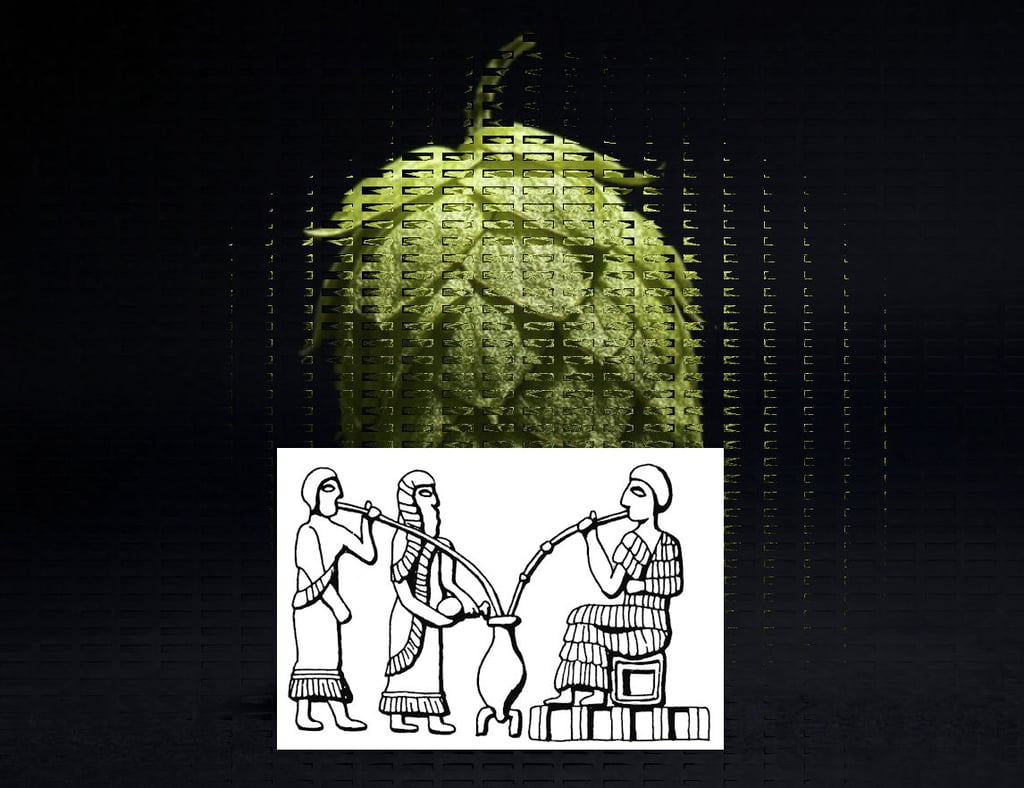
In ancient Mesopotamia, beer was not just consumed—it was currency. Workers who built temples and cities were frequently paid in beer rations, making it a cornerstone of early economies. This practice wasn’t limited to Mesopotamia; in ancient Egypt, laborers constructing the pyramids received daily beer allowances as part of their wages. Beer was a commodity that drove agricultural innovation, as barley cultivation became essential to sustain brewing.
The demand for beer encouraged the development of farming techniques and storage solutions, which in turn supported population growth and urbanization. Brewing also spurred trade networks, as regions exchanged grains, brewing vessels, and knowledge. In many ways, beer was an early catalyst for economic complexity.
Sacred Brews and Spiritual Significance
Beer’s role extended beyond economics—it was deeply woven into religious rituals. The Sumerians worshipped Ninkasi, the goddess of beer, and even composed hymns that doubled as beer recipes. These hymns weren’t just spiritual—they were practical guides for preserving brewing knowledge.
In Egypt, beer was considered a divine gift. It was offered to gods during rituals and consumed during festivals to honor deities like Hathor. Beer symbolized abundance and fertility, reinforcing its sacred status. Across cultures, brewing was often seen as a mystical process, transforming humble grains into a life-sustaining elixir.
Beer in Daily Life and Health
For ordinary people, beer was a dietary staple. In many ancient societies, water sources were contaminated and unsafe to drink. Fermentation made beer a safer alternative, reducing harmful pathogens. It was also rich in calories and nutrients, providing essential sustenance for laborers and families. Some historians even argue that beer contributed to the rise of agriculture, as communities cultivated grains specifically for brewing.
Beer also served as a social glue. Shared brewing and drinking practices fostered community bonds, turning beer into a cultural centerpiece. Taverns and communal drinking spaces became hubs for conversation, trade, and decision-making—precursors to modern social institutions. Today, this communal spirit thrives in modern taprooms, where platforms like San Diego Beer News track how local neighborhood breweries still act as essential, everyday gathering hubs for their communities, much like the ancient taverns of the past.ocial institutions.
The Legacy of Ancient Beer
The impact of beer on civilization is undeniable. It shaped economies, influenced religious practices, and sustained populations. Today, beer remains a symbol of connection and celebration, poured in settings ranging from historic taverns to modern taprooms, but its roots remind us of its profound historical significance. Every pint we raise carries echoes of the past—a tradition that began not in bars, but in the clay pots of ancient brewers.
Beer didn’t just accompany civilization; it helped build it. From the first fermented grains to the craft beer revolution, this humble drink has been a constant companion in humanity’s story—a testament to our ingenuity and our desire to share life’s pleasures.



Comments 0
No Readers' Pick yet.