



Simple Ways to Make Your Recovery Routine More Comfortable
 Story by:
Guest Contributors
Story by:
Guest Contributors
To make your recovery day easier, it’s important to drink plenty of fluids, stretch slowly, apply heat or cold, rest, consume adequate protein, have protein supplements, and follow the advice of your body. These practices can also help you to make better decisions about your socializing, even if it’s a post-sweat beer or a nice night for socializing, and not forgetting about your recovery along the way. But how to do these habits effectively? Here is an overview of each recovery approach, the advantages it offers your body, and when it may be best to tweak your workouts for increased comfort and recovery.
Simple Ways to Make Your Recovery Routine More Comfortable
The first step to a comfortable recovery is a gentle approach through simple habits that support the body, from the inside out. Here’s a good clue to get you going: make sure everyone is well hydrated.
Stay Hydrated to Keep Recovery Comfortable
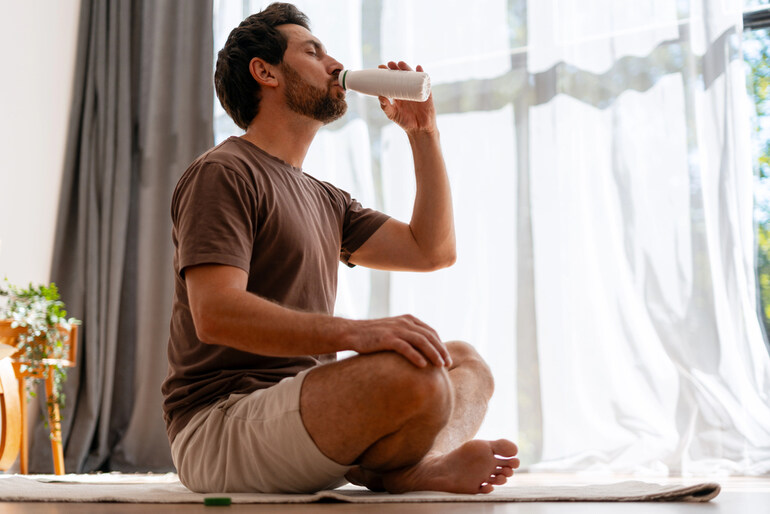
Adequate fluid intake can ease recovery post-workout and make it more comfortable. Water is critical for all body functions, circulation, temperature control, and muscle activity, benefiting recovery. Do not let others become thirsty; quench their thirst. Don’t forget to drink additional water after exercise to replace perspiration fluid loss. A dehydrated individual is tired, sluggish, and may not enjoy the recovery process.
People training for longer periods of time, or if very sweaty, may benefit from the intake of electrolytes supplying minerals such as sodium and potassium in the body. If urine is dark, dried out, there is a headache, or unusual tiredness, then it’s an indication that more fluid is required.
Stretch Gently to Ease Muscle Tension
Stretch at the end of exercise to aid relaxation of the body. Consider the muscles used more heavily that you have in the most leg parts, hips, back, shoulders, or arms. Take 15-30 seconds in each stretch, and gradually release air from the nose as you extend through each stretch. The stretch should be ‘stretched’ and not painful or uncomfortable. Stretching is best done after exercising or when the muscles get tight during the day. Gentle stretching helps to increase flexibility, eliminate rigor, and improve everyday functioning. Slow and deliberate movements; NO PUSHING DEEPER HOLDS!
Use Heat or Cold to Soothe Sore Muscles
Heat and cold are two different treatments and work best under different conditions for soothing sore muscles. Applying heat will help to relax tension in muscles so that you may feel more at ease, especially when you know there are tight muscles that can be found periodically. If you use a sauna, choose a comfortable sauna temperature rather than excessive heat.
A cold will numb and promote comfort; it can be comforting after strenuous activity and will provide temporary numbness that will help relieve discomfort. Pick the one that will be most beneficial for your body, and do not use excessive heat or cold; use short sessions. If you wish, you can vary them if you want to. Protect skin from heat or cold, and discontinue use of heating devices if pain, numbness, or skin irritation is experienced, and never leave on while sleeping.
Get Enough Sleep to Support Recovery
Sleep is vital to your body’s recovery following physical activity. Sleep between 7 and 9 hours per night to enable repair, rest,t and preparation for the coming day. This may cause one to feel more tired than normal, and lack of sleep may make the pain felt from exercising more intense. A normal sleeping and waking routine can help to promote a healthy routine in your body.
Make the bedroom cool, dark, and comfortable, and restrict stimulating activities prior to sleep. Do not do a bunch of exercise hours before retiring to bed if this will make it more difficult for you to fall asleep. Prioritizing quality sleep is an important part of healthy recovery and can make recovery feel much easier.
Eat Enough Protein to Help Muscles Repair
Protein will help rebuild and construct new muscle cells after you have finished your training session. You must consume some kind of food rich in protein either during your meals or as a snack throughout the whole day and not just at one time during your day. Food items that are good sources of protein are eggs, chicken, fish, meat, legumes, Greek yogurt, and tofu.
Protein after a workout may be needed, but not immediately after the workout. Eating too little protein can lead to a low protein intake, where protein is not enough to repair and grow muscles. Combine protein with starchy foods and other nutritious foods for a well-balanced recovery meal.
Take Rest Days to Let Your Body Recover
Rest days help the muscles recover, rebuild, and replenish their energy reserves following exercise. This may make the exercises less tiring and make them stronger if they are allowed one day or more a week off from exercise. If you don’t get adequate rest, you can have continued soreness, fatigue,e or decreased performance during workouts. Rest days are active days – go for a walk, do low-impact exercises, or stretch.
Always do these activities gently, in order to avoid putting additional strain. Take time off to rest and drink fluids, eat well, and relax. Having a comfortable partner Additionally, can also help you enjoy downtime, especially when having rest days to relax and recharge as a couple(s). Offering regular breaks can support regular recuperation timelines and alleviate the pain of the recuperation regimen.
Listen to Your Body and Adjust Your Routine
Using auditory cues to synergize the healing process optimally and save you from getting unnecessary stress. If the muscle soreness attributable to a workout seems to be getting worse, that may be a sign that you need to dial back. If the muscle soreness after exercise is normal, but you’re experiencing more than normal muscle fatigue, trouble sleeping, and a significant drop in performance, then you may need to reduce the intensity.
Mentally, the following signs require the exercise to be reduced in intensity, duration, and frequency of the exercise. A change in your plans can be implemented in such a way that you will still succeed in reaching your fitness target while allowing your body to recover. Be aware of feelings at the beginning, middle, and end of each session. If any part presents an extreme symptom or is particularly troublesome, take a break, and if you need it, get professional assistance. Self-recovery is also superficial, and it’s about knowing what you’re doing to yourself afterwards, including diet and nutrition. When it comes to a drink post-workout or a social drink, be sure not to drink it first; drink water, eat, and rest first.




Comments 0
No Readers' Pick yet.