




Yeast in Brewing: Strains, Fermentation Science, and How It Shapes Beer Flavor
 Story by:
Bil Corcoran
Story by:
Bil Corcoran
Introduction
When beer lovers talk about brewing, hops and malt often steal the spotlight. Yet, behind every pint lies an unsung hero: yeast. This microscopic organism doesn’t just ferment sugars into alcohol—it defines a beer’s character, aroma, and mouthfeel. From crisp lagers to fruity Belgian ales, yeast is the engine driving flavor creation. Let’s explore why yeast matters, the strains brewers use, and the science behind fermentation.
What Is Yeast and Why Is It Essential?
Yeast is a single-celled fungus that converts fermentable sugars into alcohol and carbon dioxide through fermentation. Without yeast, beer would simply be sweet wort. But yeast does more than produce alcohol—it creates hundreds of flavor compounds, including esters, phenols, and higher alcohols, which give beer its complexity.
The Two Main Families of Brewing Yeast
Brewers primarily work with two species:
Saccharomyces cerevisiae (Ale Yeast)
Top-fermenting yeast used for ales. It thrives at warmer temperatures (60–75°F), producing fruity esters and complex flavors.
Saccharomyces pastorianus (Lager Yeast)
Bottom-fermenting yeast used for lagers. It prefers cooler temperatures (45–55°F), resulting in clean, crisp profiles with minimal fruity notes.
Beyond these, specialty strains like Brettanomyces add funky, wild characteristics to sour and farmhouse beers.
Fermentation: The Heart of Brewing
Fermentation is where yeast transforms wort into beer. Here’s what happens:
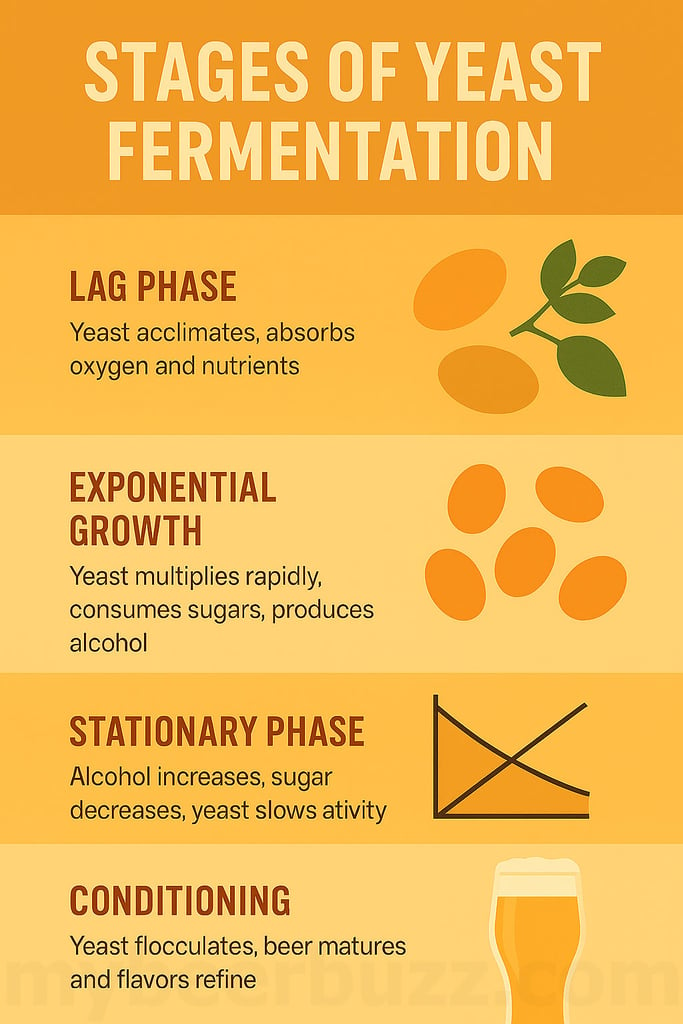
Lag Phase – Yeast acclimates to its environment, absorbing oxygen and nutrients.
Exponential Growth – Yeast multiplies rapidly, consuming sugars and producing alcohol.
Stationary Phase – Alcohol levels rise, sugar decreases, and yeast slows down.
Conditioning – Yeast flocculates (settles), clarifying beer and refining flavors.
Temperature control during fermentation is critical. Warmer conditions encourage ester formation, while cooler conditions produce cleaner flavors.
Flavor Creation: How Yeast Shapes Beer
Yeast doesn’t just make alcohol—it’s a flavor powerhouse. Here’s how:
Esters – Fruity aromas like banana, pear, and apple (common in Belgian ales and wheat beers).
Phenols – Spicy, clove-like notes (found in saisons and German wheat beers).
Higher Alcohols – Contribute warmth and complexity.
Sulfur Compounds – Present in lagers, often dissipate during conditioning.
Brewers manipulate these compounds through yeast selection, fermentation temperature, and oxygen levels.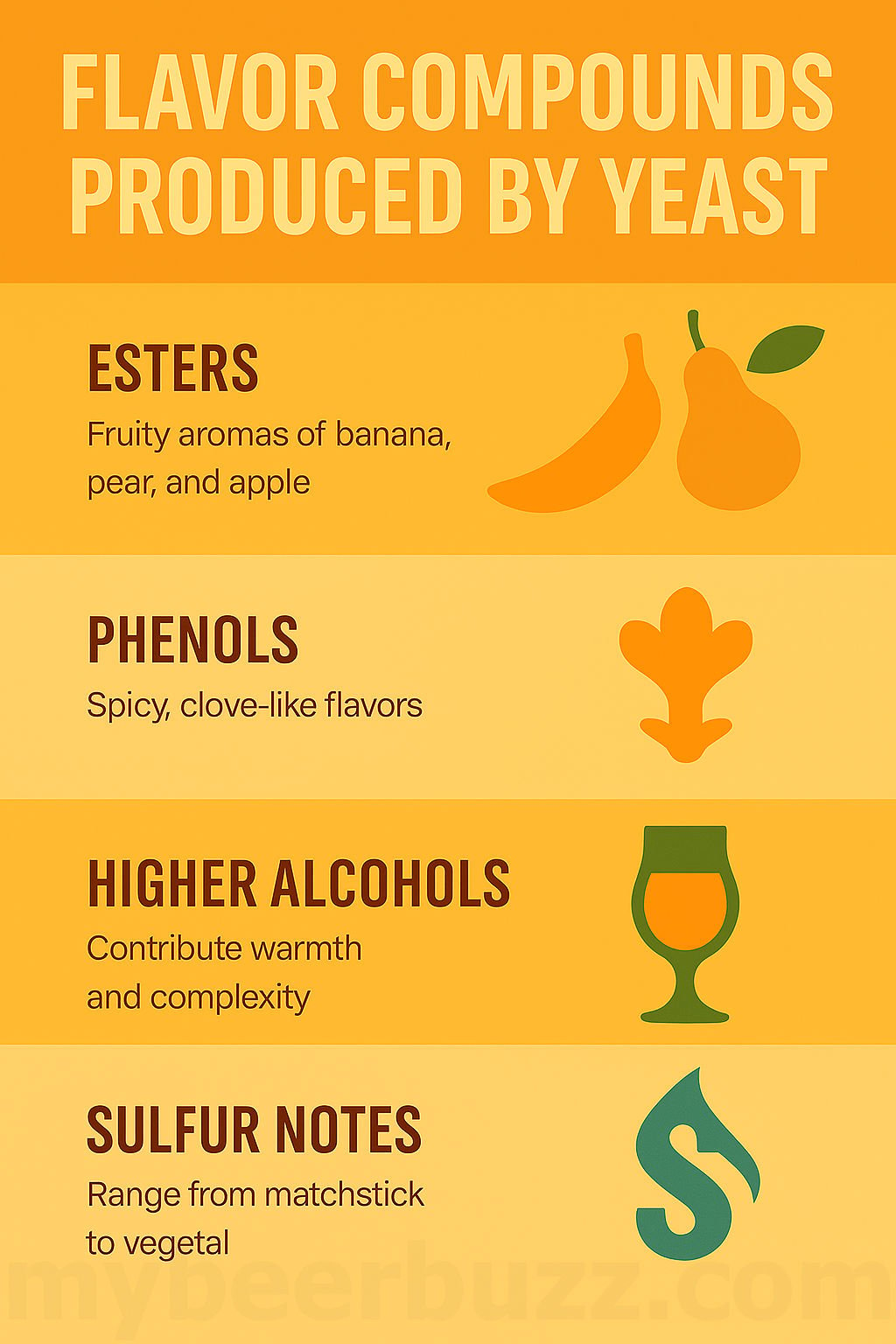
Popular Yeast Strains and Their Impact
English Ale Yeast – Produces malty, fruity beers with subtle esters.
American Ale Yeast – Clean, neutral profile, ideal for hop-forward IPAs.
Belgian Yeast – High ester and phenol production for complex, spicy ales.
Lager Strains – Crisp, clean finish with minimal fruity notes.
Wild Yeast (Brettanomyces) – Adds funky, earthy, and tart flavors to sour beers.
Modern Innovations in Yeast
Brewing science continues to evolve. Labs now engineer yeast strains for specific outcomes—like enhancing tropical aromas in IPAs or reducing diacetyl for cleaner lagers. Some breweries experiment with hybrid strains, blending ale and lager characteristics for unique profiles.
Why Yeast Deserves More Credit
Yeast is more than a fermentation tool—it’s a creative partner. Brewers rely on its adaptability to craft diverse styles, from hazy IPAs bursting with fruit to delicate pilsners with crisp precision. Understanding yeast unlocks endless possibilities for flavor innovation.
Final Thoughts
Next time you savor a pint, remember the tiny organism behind the magic. Yeast doesn’t just make beer—it defines it. From strain selection to fermentation control, yeast is the unsung hero shaping the world of brewing.



Comments 0
No Readers' Pick yet.