








The Art and Science of Barrel Aging: How Oak and Time Transform Beer Flavor

 Story by:
Bil Corcoran
Story by:
Bil Corcoran
Introduction
Barrel aging is one of the most revered techniques in brewing, blending tradition with innovation. While hops and malt often dominate conversations, barrels quietly shape some of the most complex and sought-after beers in the world. From rich stouts to tart sours, barrel aging introduces layers of flavor that stainless steel simply can’t replicate. But what makes wood so transformative? Let’s dive into the art and science behind this time-honored practice.
A Brief History of Barrel Aging
Before modern brewing equipment, wooden barrels were the default storage vessels for beer. Over time, brewers discovered that beer matured differently in wood, developing unique flavors. Today, barrel aging is a deliberate choice, often reserved for specialty beers like imperial stouts, barleywines, and wild ales. The technique has evolved from necessity to artistry, with brewers sourcing barrels from wineries, distilleries, and cooperages to create distinctive profiles.
The Science Behind Wood and Beer
Wood isn’t just a container—it’s an active participant in the aging process. Here’s how it transforms beer:
Porosity and Oxygen Exchange
Wood is porous, allowing micro-oxygenation. This slow oxygen ingress softens harsh flavors, rounds out bitterness, and promotes complex chemical reactions.
Flavor Extraction
Barrels previously used for wine or spirits impart residual flavors—vanilla from bourbon, tannins from red wine, or smokiness from whiskey.
Chemical Interactions
Compounds like lignin, hemicellulose, and tannins in wood break down over time, releasing flavors such as vanilla, coconut, and spice.
Micro-Oxygenation:
Wood’s porous structure allows slow oxygen ingress, softening harsh flavors and promoting complexity.
Flavor Extraction:
Residual wine or spirit compounds infuse beer with vanilla, caramel, tannins, or smokiness.
Chemical Breakdown:
Lignin → Vanilla notes
Hemicellulose → Sweetness
Tannins → Structure and dryness
Types of Barrels and Their Impact
Oak Barrels
The most common choice, oak offers structure and subtle sweetness. American oak tends to impart bold vanilla and coconut notes, while French oak provides delicate spice and tannins.
Spirit Barrels
Bourbon, whiskey, rum, and tequila barrels add layers of complexity. Bourbon barrels, for example, lend caramel and charred wood flavors.
Wine Barrels
Red wine barrels introduce fruity and tannic qualities, while white wine barrels can add acidity and brightness.
American Oak: Vanilla, coconut, bold sweetness
French Oak: Spice, subtle tannins
Bourbon Barrels: Caramel, charred wood, whiskey warmth
Time: The Invisible Ingredient
Barrel aging is a slow process, often lasting months or even years. Time allows flavors to meld, acidity to balance, and alcohol warmth to mellow. However, patience is key—too long in wood can lead to over-oaking or oxidation. Brewers monitor barrels closely, tasting regularly to ensure harmony.
The Art of Blending
Many barrel-aged beers are blends of multiple barrels. This technique allows brewers to balance flavors, acidity, and alcohol strength. Blending is where science meets artistry—creating a final beer that’s greater than the sum of its parts.
Challenges and Risks
Barrel aging isn’t without pitfalls:
Contamination: Wild microbes can spoil beer if not managed properly.
Inconsistency: Each barrel behaves differently, making uniformity a challenge.
Cost and Space: Barrels require significant investment and storage room.
Despite these challenges, the payoff is immense—beers with unparalleled depth and character.
Modern Innovations
Brewers today experiment with hybrid techniques, like using oak spirals or chips for faster flavor extraction, or employing controlled environments to mimic barrel aging. Yet, traditional barrel aging remains the gold standard for complexity.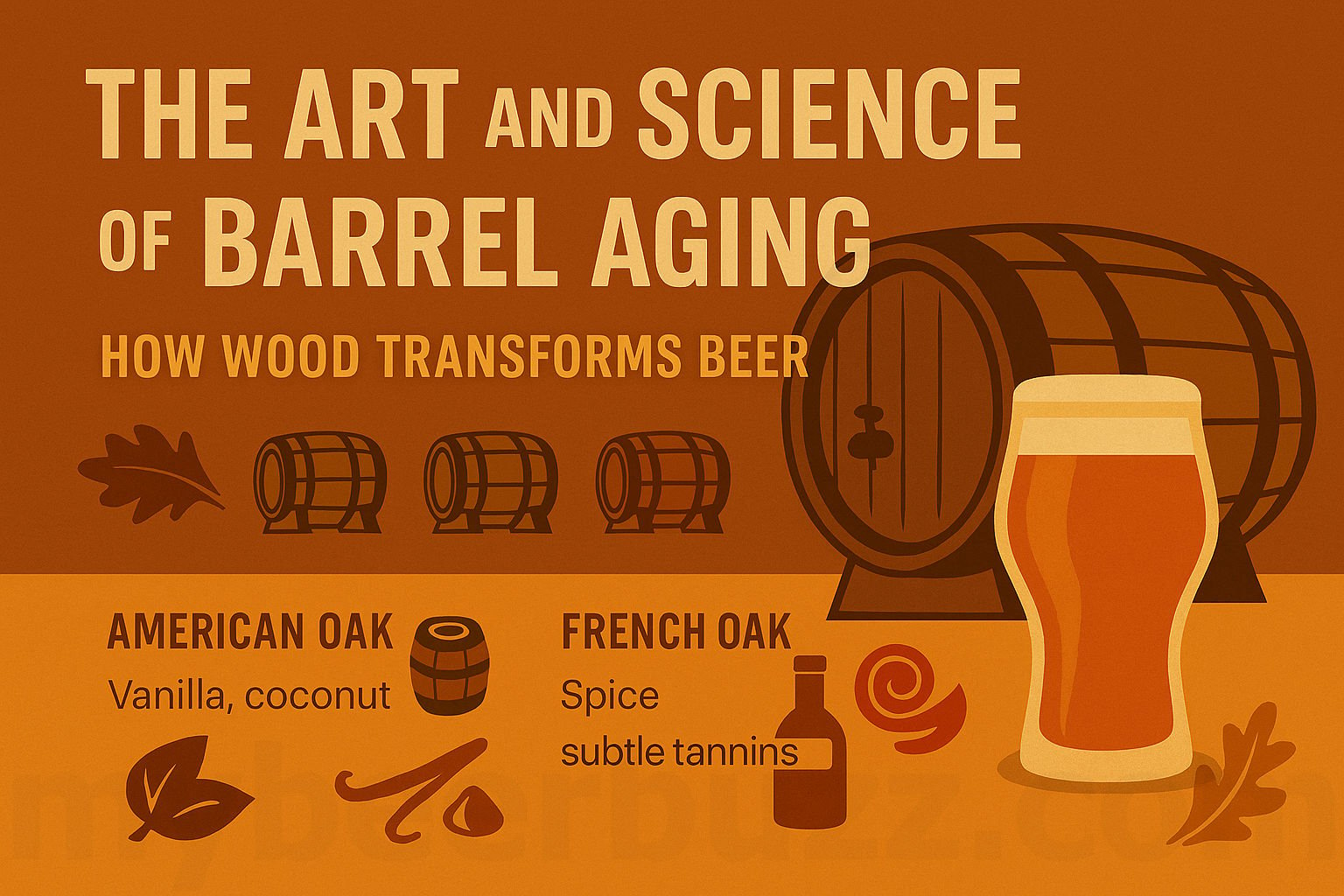
Final Thoughts
Barrel aging is more than a brewing technique—it’s a dialogue between beer and wood, time and patience. It’s where chemistry meets craftsmanship, producing beers that tell a story in every sip. Next time you enjoy a barrel-aged stout or sour, remember the silent work of the barrel—the vessel that transforms good beer into something extraordinary.
zzubreebym


Comments 0
No Readers' Pick yet.