



Prohibition’s Impact on American Beer: How a Dry Decade Reshaped the Industry
 Story by:
Bil
Story by:
Bil
Introduction
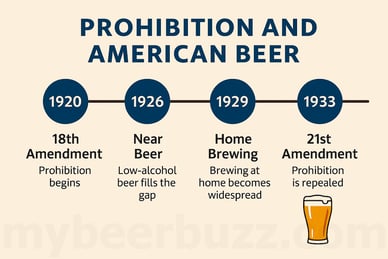
When the 18th Amendment went into effect in January 1920, it ushered in one of the most transformative—and turbulent—periods in American brewing history. Prohibition, which banned the manufacture, sale, and transportation of alcoholic beverages, lasted for 13 years and left a lasting imprint on the beer industry. While intended to curb alcohol consumption and promote public health, Prohibition instead sparked innovation, economic upheaval, and cultural shifts that still influence American beer today.
The Brewing Boom Before the Ban
Before Prohibition, beer was booming. By the early 20th century, breweries dotted the American landscape, with German immigrants introducing lager styles that became wildly popular. Beer was affordable, widely consumed, and deeply embedded in social life. Cities like Milwaukee, St. Louis, and Cincinnati thrived as brewing hubs, home to iconic names like Anheuser-Busch, Pabst, and Schlitz.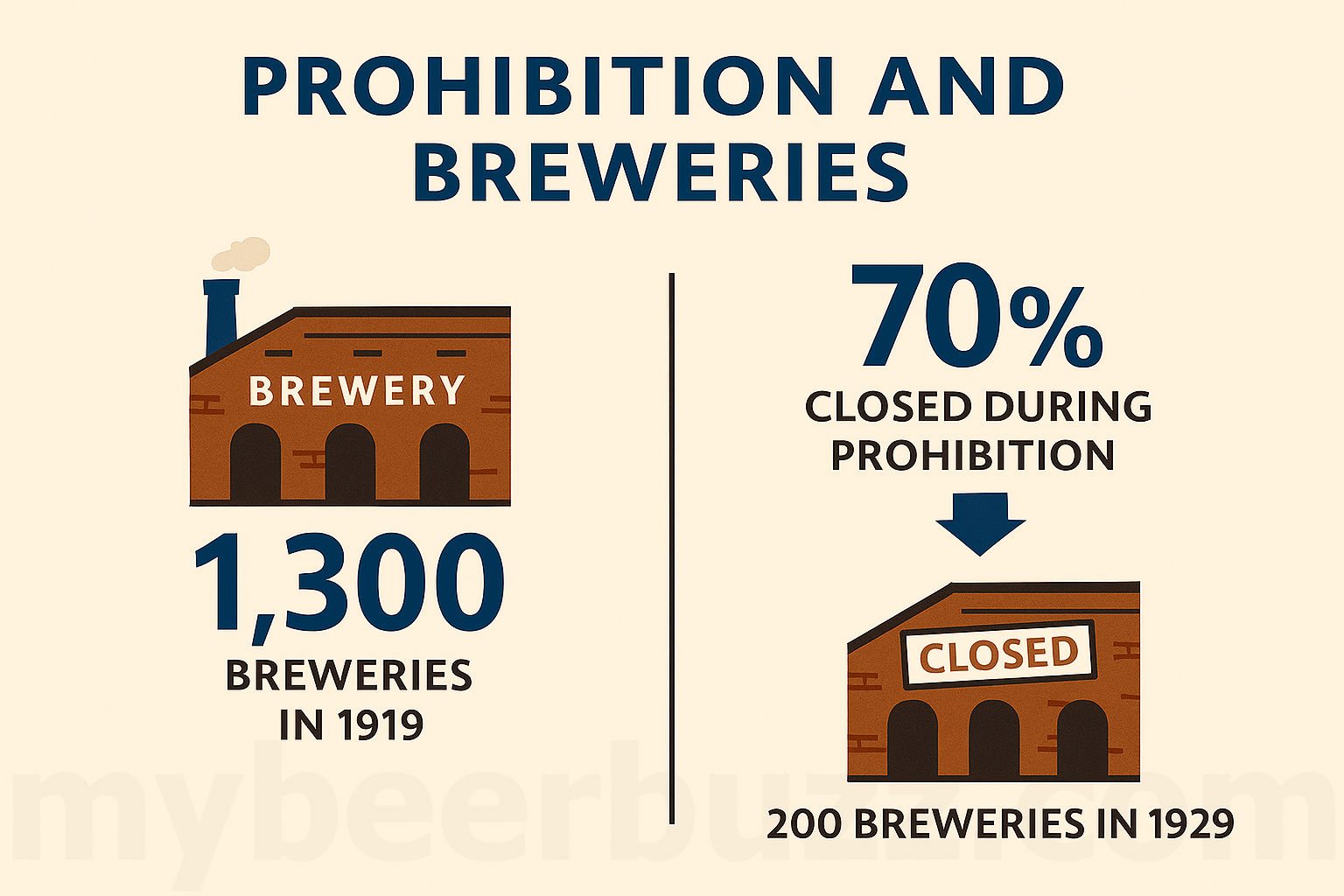
The Dry Decade Begins
The Volstead Act enforced Prohibition, making it illegal to produce or sell alcoholic beverages with more than 0.5% alcohol. For breweries, this was catastrophic. Overnight, thousands of businesses faced closure. Employment plummeted, and entire communities dependent on brewing were devastated.
But brewers were resourceful. To survive, many shifted to producing near beer—a low-alcohol beverage that complied with the law. Brands like “Bevo” and “Pablo” emerged, though they lacked the flavor and appeal of traditional beer. Others diversified into soft drinks, ice cream, and even malt syrup, which was ostensibly for baking but often used for home brewing.
The Rise of Home Brewing and Speakeasies
Prohibition didn’t eliminate beer—it drove it underground. Speakeasies flourished, offering illicit alcohol to those willing to take the risk. Home brewing became common, fueled by malt syrup sales and a thriving black market. This era cemented beer’s role as a symbol of rebellion and social defiance.
Technological and Cultural Shifts
Ironically, Prohibition spurred innovation. Breweries that survived invested in refrigeration, pasteurization, and packaging improvements to stay competitive in the near-beer market. These advancements later benefited full-strength beer production after repeal.
Culturally, Prohibition altered drinking habits. Spirits became more popular because they were easier to transport and conceal, reducing beer’s dominance. When beer returned in 1933, it faced a changed landscape—Americans had developed a taste for cocktails, and breweries had to fight to reclaim market share.
Repeal and the New Beer Industry
The 21st Amendment repealed Prohibition in December 1933, but the industry was forever changed. Many breweries never reopened, and those that did operated under stricter regulations and higher taxes. Consolidation accelerated, with large breweries dominating the market while smaller ones disappeared.
Beer styles also shifted. Lighter lagers became the norm, appealing to a broader audience and aligning with post-Prohibition marketing that emphasized moderation and refreshment. This trend laid the groundwork for the mass-market beers that defined mid-20th-century America.
Prohibition’s Lasting Legacy
Prohibition reshaped American beer in profound ways:
Industry Consolidation: Fewer, larger breweries controlled production.
Innovation: Advances in technology and packaging improved quality and shelf life.
Cultural Change: Beer lost ground to spirits, influencing drinking culture for decades.
Regulatory Framework: Modern alcohol laws trace their roots to Prohibition-era controls.
Today, the craft beer movement represents a renaissance—a return to diversity and creativity that Prohibition nearly erased. Yet the echoes of that dry decade remain, reminding us how deeply policy can shape culture and commerce.




Comments 0
No Readers' Pick yet.