



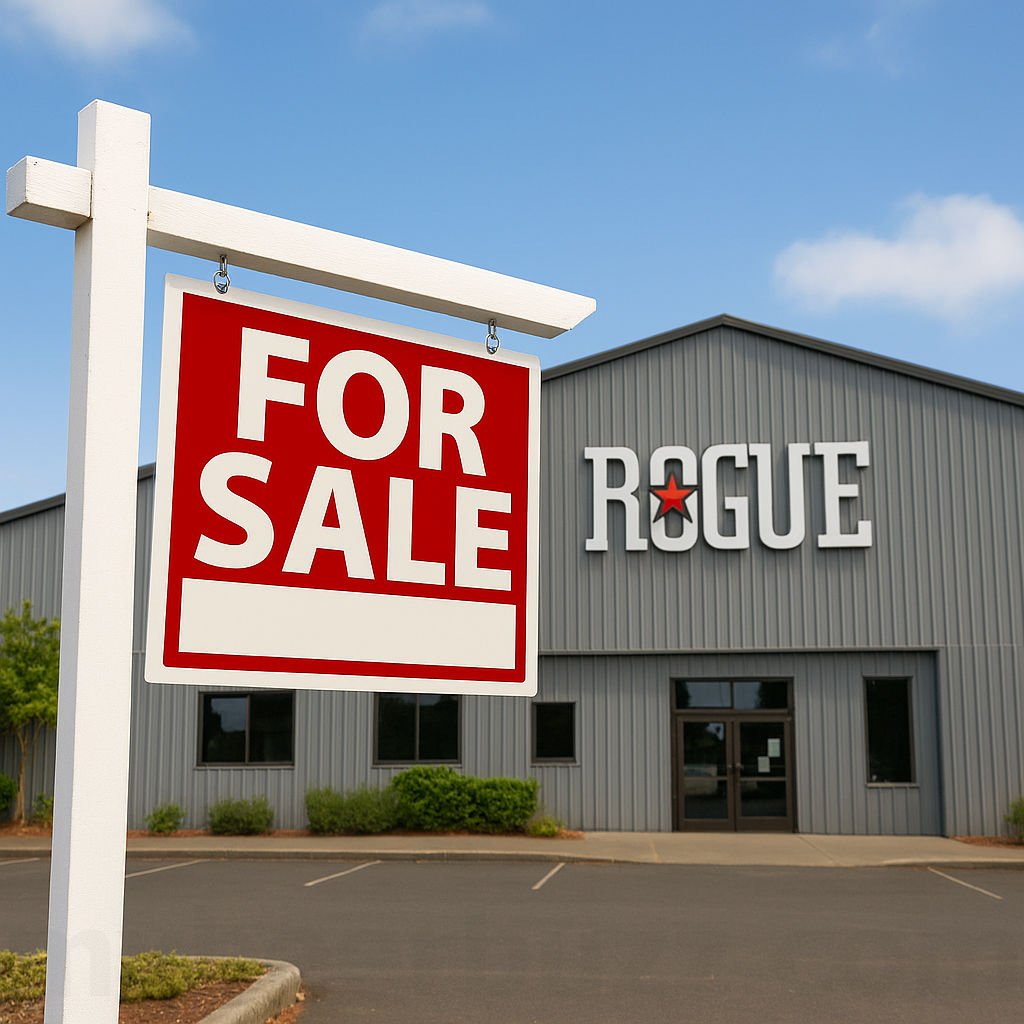
Rogue Ales & Spirits Begins Asset Liquidation in Newport, Oregon: What It Means for the Future of the Iconic Brewery
 Story by:
Bil Corcoran
Story by:
Bil Corcoran
The craft beer world is watching closely as Rogue Ales & Spirits, one of Oregon’s most recognizable and influential breweries, begins the liquidation of assets at its Newport, Oregon headquarters. For decades, Rogue has been a defining force in Pacific Northwest craft beer, known for its bold innovation, distinctive branding, and deep connection to the Oregon Coast. The news of asset liquidation has raised questions about the brewery’s future, the fate of its facilities, and what this means for the broader craft beer landscape.
While Rogue Ales & Spirits has weathered industry shifts before, the decision to liquidate assets marks a significant turning point. As the craft beer market continues to tighten, especially for legacy breweries with large physical footprints, Rogue’s move reflects the financial pressures facing many long‑established producers. From equipment sales to potential restructuring, the liquidation process signals a major transition for a brand that helped shape modern American craft beer.
A Legacy Brewery at a Crossroads
Founded in 1988, Rogue Ales & Spirits built its reputation on creativity, independence, and a willingness to push boundaries. From Dead Guy Ale to Voodoo Doughnut collaborations to its award‑winning distilling program, Rogue became synonymous with Oregon craft culture. Its Newport brewery, pub, and distillery have long been a destination for beer tourists traveling the rugged Oregon Coast.
But like many breweries that expanded aggressively in the 2000s and early 2010s, Rogue has faced mounting challenges. Rising production costs, shifting consumer preferences, increased competition from both local microbreweries and national beverage brands, and the post‑pandemic economic landscape have all contributed to financial strain. The liquidation of assets in Newport appears to be part of a broader effort to stabilize operations and reevaluate long‑term strategy.
What Asset Liquidation Means for Rogue Ales & Spirits
Asset liquidation can take many forms, and in Rogue’s case, it includes the sale of brewing equipment, facility components, and potentially other operational assets tied to the Newport location. This process does not necessarily mean the complete closure of Rogue Ales & Spirits, but it does indicate a significant restructuring effort and the likelihood that we are witnessing the end of Rogue as we know it.
Key elements of the liquidation include:
Sale of brewing equipment such as fermenters, brite tanks, brewhouse components, and packaging machinery
Potential downsizing or repurposing of production space
Reallocation of resources to other Rogue facilities or contract brewing partners
Streamlining of operations to reduce overhead and improve financial sustainability
For collectors, industry professionals, and breweries looking to expand capacity, the liquidation offers access to high‑quality equipment from a respected producer. For Rogue, it represents an attempt to recalibrate in a rapidly evolving market.
Impact on Newport, Oregon and the Local Craft Beer Community
Rogue’s presence in Newport, Oregon, has long been a point of pride for the coastal community. The brewery and distillery have provided jobs, tourism traffic, and cultural identity to the region. The asset liquidation raises understandable concerns about the economic and social impact on Newport.
While Rogue has not announced a full shutdown of its Newport operations, the reduction of assets suggests a shift in how the company will operate moving forward. Local businesses, beer fans, and industry observers are watching closely to see whether Rogue will maintain a scaled‑down presence, relocate certain functions, or pursue a new operational model entirely.
The situation also highlights a broader trend: legacy craft breweries with large, expensive facilities are increasingly vulnerable in a market that now favors smaller, hyper‑local producers and diversified beverage portfolios.
Why Legacy Breweries Are Facing Increased Pressure
The liquidation of assets at Rogue Ales & Spirits is not an isolated event. Across the United States, long‑established breweries have been forced to sell equipment, close satellite locations, or merge with larger beverage groups. Several factors contribute to this shift:
Rising production and labor costs
Declining on‑premise sales and slower taproom traffic
Competition from RTDs, seltzers, canned cocktails, and non‑alcoholic beverages
Market saturation in craft beer
Changing consumer preferences, especially among younger drinkers
For breweries like Rogue, once among the largest and most influential in the country, these pressures can be especially challenging due to the scale of their operations.
What Comes Next for Rogue Ales & Spirits
The future of Rogue Ales & Spirits remains uncertain, but the brand still carries significant value, recognition, and loyal consumer support. The liquidation of assets may be part of a strategic pivot rather than a final chapter.
Possible next steps could include:
Focusing on smaller‑scale production at remaining facilities
Shifting toward contract brewing or partnerships
Expanding the spirits program, which has shown strong growth potential
Rebranding or modernizing product lines to align with current market trends
Strengthening direct‑to‑consumer sales through online platforms and club memberships
Regardless of the direction Rogue chooses, the liquidation marks a pivotal moment in the brewery’s long history.
A Turning Point for an Oregon Icon
The liquidation of assets from Rogue Ales & Spirits in Newport, Oregon is more than a business transaction, it’s a reflection of the changing craft beer landscape and the challenges facing legacy breweries nationwide. Rogue has been a pioneer, a trendsetter, and a cultural touchstone for nearly four decades. As the company navigates this transition, the craft beer community will be watching to see how one of Oregon’s most iconic breweries reinvents itself for the next era.
For now, the liquidation underscores a simple truth: even the biggest names in craft beer must adapt to survive.
There is a public auction link for the Rogue Ales & Spirits bankruptcy liquidation, and it’s being handled by Commercial & Industrial Auctioneers. The auction is scheduled to run online through March 7, 2026, and includes equipment from the Newport, Oregon brewery and distilling facility.
Here is the direct auction listing:
Commercial & Industrial Auctioneers – Rogue Ales Bankruptcy Liquidation Auction
https://www.proxibid.com (search for Rogue Ales Online Bankruptcy Liquidation Auction)
There is also a detailed page on the auctioneer’s own site with preview dates, pickup windows, and location information (2320 SE Marine Science Dr., Newport, OR).
Key Lots from the Rogue Ales & Spirits Liquidation Auction
The Rogue Ales & Spirits bankruptcy auction features a wide range of brewing, distilling, and packaging equipment from the company’s flagship Newport, Oregon facility. For brewers, distillers, and collectors, this auction represents a rare chance to acquire high‑quality gear from one of the Pacific Northwest’s most iconic craft producers.
Among the most notable items are Rogue’s large‑scale stainless steel fermenters, including 60‑barrel JVNW tanks built in Oregon and known for their durability and craftsmanship. The auction also includes components from Rogue’s 30‑barrel JVNW brewhouse, such as the mash tun, lauter tun, kettle, and whirlpool. These pieces are ideal for breweries looking to expand production capacity with equipment that has a proven track record.
Supporting equipment like hot liquor tanks, cold liquor tanks, grain mills, and auger systems are also available. These items are essential for breweries aiming to streamline their grain handling and brewing operations. For smaller producers or those building out a pilot program, Rogue’s 3‑barrel pilot brewing system is one of the standout lots, offering a complete setup for recipe development and small‑batch releases.
Distilling Equipment and Barrel Inventory
Rogue’s distilling program was a major part of its identity, and the auction reflects that. One of the most significant lots is a Vendome copper pot still, a highly sought‑after piece of equipment for craft distillers. Vendome stills are known for their craftsmanship and are rarely available on the secondary market, making this a prime opportunity for distilleries looking to elevate their production capabilities.
The auction also includes stainless steel spirit holding tanks, bottling equipment, and a large inventory of barrel racks and used aging barrels. Many of these barrels were previously used for Rogue’s whiskey, rum, and specialty spirits, making them appealing not only for active distillers but also for collectors and fans of Rogue’s long history.
Packaging Line and Production Support
For breweries looking to scale up packaging operations, Rogue’s canning line is one of the most valuable assets in the auction. The Wild Goose canning system includes multi‑head fillers and depalletizing equipment, offering a turnkey solution for 12‑ounce and 16‑ounce can formats. Labeling machines, keg washers, and keg fillers round out the packaging offerings, providing a complete suite of tools for breweries ready to expand distribution.
Additional production support equipment includes forklifts, pallet jacks, lab instruments, and quality‑control tools. These items are essential for maintaining consistency and efficiency in a production environment and are often overlooked until they’re needed most.
Collector’s Guide: What to Look For
For Rogue collectors, industry historians, and Rogue fans, this auction offers more than just functional equipment. Rogue Ales & Spirits was a foundational name in American craft beer, and many of the items in this liquidation carry historical significance.
Collectors should keep an eye out for Rogue‑branded barrels, signage, tap handles, and any unique pieces tied to the brewery’s long legacy. Items from the distillery, especially barrels used for Dead Guy Whiskey or Rolling Thunder Stouted Whiskey, may hold particular value for fans of Rogue’s spirits program.
Brewers and distillers looking for functional equipment should focus on the JVNW tanks, the Vendome still, the pilot system, and the canning line. These pieces represent the highest‑value lots and offer long‑term utility for production facilities.
How to Approach the Auction
If you’re planning to bid, it’s worth reviewing the full catalog in advance and identifying your priority lots. Many of the larger items will require professional removal and transportation, so factor logistics into your bidding strategy. For smaller items, lab gear, barrels, tools, and memorabilia, competition may be high due to Rogue’s name recognition, but these lots often close at accessible prices.
The preview day is especially valuable for anyone considering major purchases. Inspecting equipment in person can help you assess condition, confirm specifications, and plan for removal.
Auction Details
The Rogue Ales & Spirits liquidation auction is being conducted by Commercial & Industrial Auctioneers, with bidding hosted online through Proxibid. The auction closes on March 7, 2026, with a preview day scheduled for March 6 at the Newport facility.
About Rogue Ales & Spirits:
Rogue Ales & Spirits was a pioneering craft brewery and distillery founded in 1988 in Ashland, Oregon by three former Nike executives: Jack Joyce, Rob Strasser, and Bob Woodell. The company later moved its headquarters to Newport, Oregon, where it operated a large brewing and distilling facility, along with several pub locations across the state.
Over its 37-year history, Rogue became known for its bold branding, experimental beers, and commitment to independence. Signature releases like Dead Guy Ale, Hazelnut Brown Nectar, and its Voodoo Doughnut collaborations helped define Rogue’s reputation as a creative force in American craft brewing. The company also expanded into spirits, cider, and canned cocktails, operating under the parent company Oregon Brewing Company.
Despite its legacy, Rogue abruptly ceased all operations on November 14, 2025, citing financial crisis and internal restructuring. The shutdown included its flagship Newport brewery and all pub locations statewide. Employees were reportedly notified via a scheduling app, and the closures happened without public warning. At the time of its closure, Rogue was still ranked among the top 50 craft breweries in the U.S. by volume.
The company has since entered bankruptcy liquidation, with its brewing and distilling equipment now listed for public auction. The auction is being handled by Commercial & Industrial Auctioneers, and includes assets from the Newport facility. The auction runs online through March 7, 2026, and can be found on Proxibid by searching Rogue Ales Online Bankruptcy Liquidation Auction.
zzubreebym




Comments 0
No Readers' Pick yet.