



The Ultimate Guide to Seasonal Beers: Pumpkin Ales, Winter Warmers, and Summer Lagers
 Story by:
Bil Corcoran
Story by:
Bil Corcoran
Introduction
Beer isn’t just a drink, it’s a reflection of time, place, and tradition. Walk into a brewery in October (or even July lately), and you’ll likely find pumpkin ales on tap. Visit in December, and winter warmers dominate the menu. Come July, crisp summer lagers take center stage. But why do these seasonal beers exist? The answer lies in history, brewing science, and consumer psychology.
In this article, we’ll explore the origins of seasonal beers, what makes them unique, and why they continue to thrive in today’s craft beer culture.
The Origins of Seasonal Brewing
Before refrigeration and modern brewing technology, beer was deeply tied to the seasons. Brewers relied on natural conditions for fermentation and storage. Certain styles emerged because they were best suited to specific times of year:
Summer: Light, refreshing beers were brewed for warm weather when heavy ales felt overwhelming.
Winter: Strong, malty beers provided warmth and sustenance during cold months.
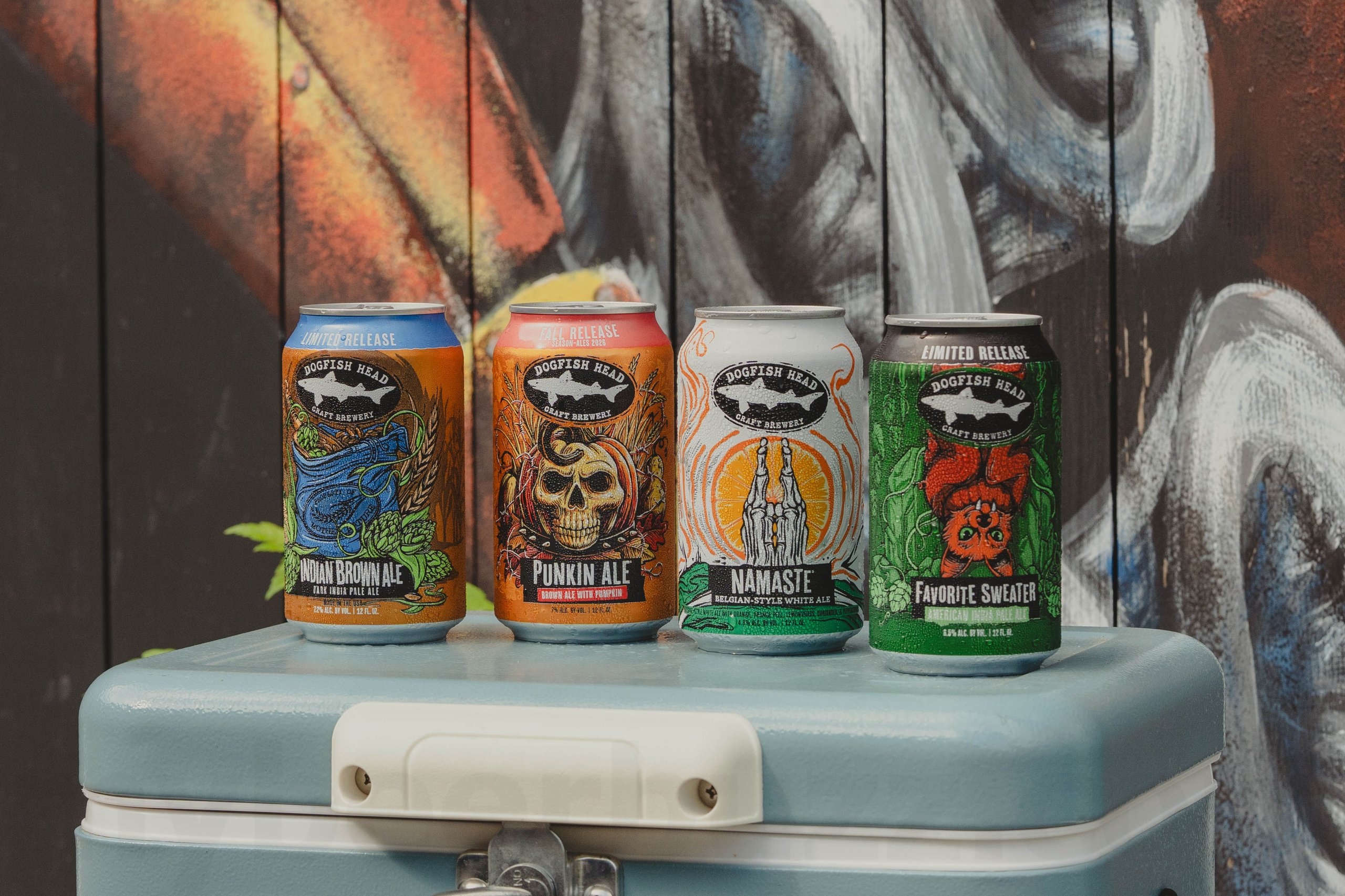
Autumn: Harvest season inspired beers made with fresh grains, spices, and seasonal produce like pumpkins.
These traditions evolved into the seasonal beer trends we know today.
Why Pumpkin Ales Dominate Fall
Pumpkin ales are synonymous with autumn, but their roots go back to colonial America. Early settlers used pumpkins as a brewing ingredient when barley was scarce. Today, pumpkin beers are more about nostalgia and flavor than necessity.
What Makes Pumpkin Ales Special?
Flavor Profile: Notes of cinnamon, nutmeg, and clove evoke classic fall desserts.
Cultural Connection: Pumpkin spice is a seasonal phenomenon, and beer taps into that craving.
Limited Availability: Scarcity creates excitement—pumpkin ales are only around for a few months.
Pumpkin beers aren’t just about taste; they’re about celebrating the season.
Winter Warmers: Comfort in a Glass
When temperatures drop, drinkers crave something rich and soothing. Enter the winter warmer—a style characterized by higher alcohol content, deep malt sweetness, and sometimes festive spices.
Why Winter Warmers Work
Higher ABV: Alcohol provides a warming sensation, perfect for cold nights.
Complex Flavors: Caramel, chocolate, and spice notes pair beautifully with holiday meals.
Tradition: Historically, strong beers were brewed in winter for preservation and celebration.
Winter warmers aren’t just beverages—they’re part of the holiday experience.
Summer Lagers: Crisp and Refreshing
Summer calls for beers that are light, clean, and thirst-quenching. Lagers fit the bill perfectly. Their smooth, crisp profile makes them ideal for hot weather and outdoor gatherings.
Why Summer Lagers Shine
Lower ABV: Easy-drinking for long afternoons.
Refreshing Finish: Minimal bitterness and clean malt character.
Versatility: Pairs well with barbecue, seafood, and picnic fare.
Summer lagers embody relaxation and sunshine in every sip.
The Psychology Behind Seasonal Beers
Seasonal beers aren’t just about flavor—they tap into emotional and cultural cues. Here’s why they resonate:
Anticipation: Limited releases create excitement and urgency.
Tradition: Seasonal beers become part of annual rituals—pumpkin ales for fall, stouts for winter.
Sensory Alignment: Flavors match seasonal foods and weather conditions, enhancing enjoyment.
Breweries leverage this psychology to build loyalty and boost sales during peak seasons.
Modern Trends in Seasonal Brewing
Today’s craft beer scene pushes seasonal boundaries:
Spring Saisons: Light, farmhouse-style ales for transitional weather.
Summer Fruited Sours: Tart, refreshing beers with berries or tropical fruit.
Holiday Specialty Releases: Barrel-aged stouts and spiced ales for festive occasions.
Seasonal brewing remains a powerful way for breweries to innovate while honoring tradition.
Final Thoughts
Seasonal beers exist because they connect us to time and place. They celebrate harvests, holidays, and changing weather. From pumpkin ales in autumn to winter warmers by the fire and crisp lagers under summer sun, these beers are more than drinks—they’re experiences.
So next time you sip a seasonal brew, remember: you’re tasting history, culture, and craftsmanship in every glass.
zzubreebym




Comments 0
No Readers' Pick yet.